

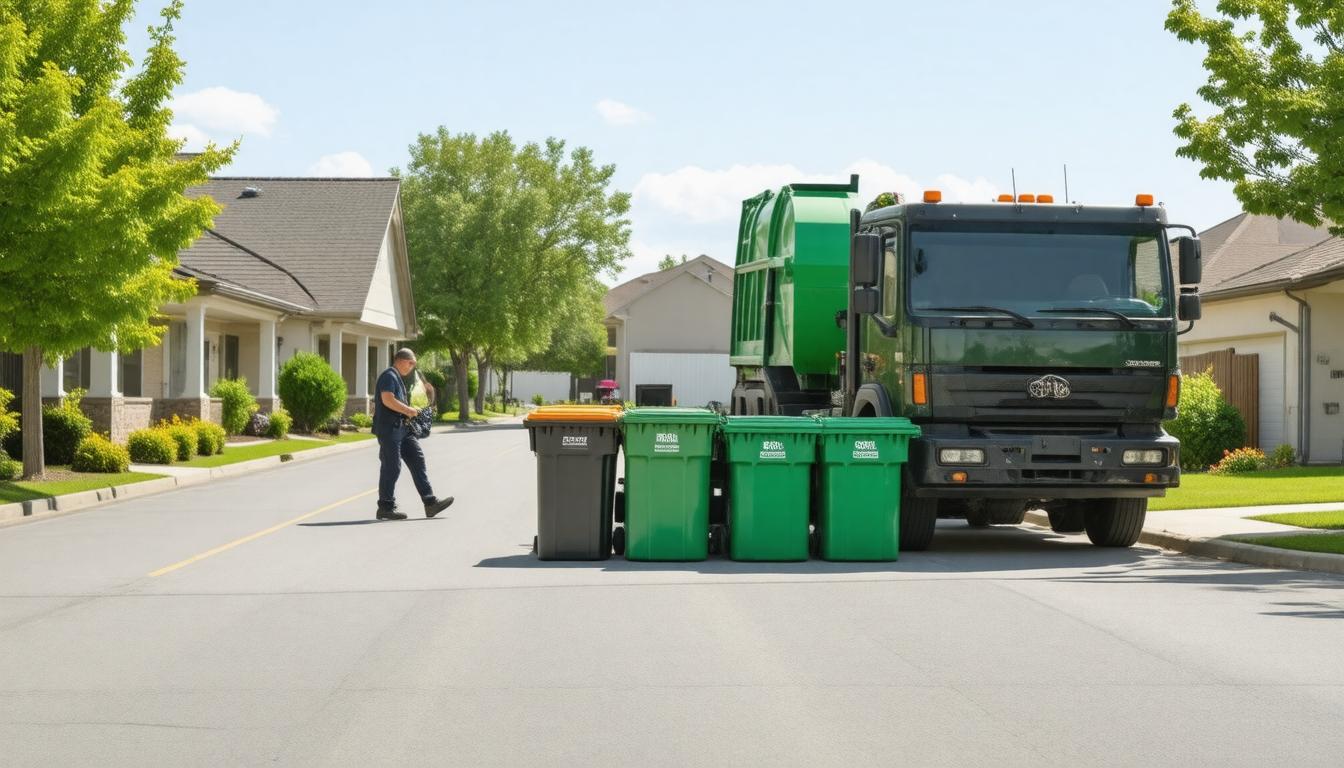
Managing household waste might not be the most exciting topic, but it’s one that directly affects how clean and healthy our neighborhoods stay. For many of us, tossing garbage at the curb is just part of routine, yet behind the scenes there’s a carefully planned system making sure all that trash disappears efficiently and responsibly. Understanding how residential waste services work helps us see them not just as garbage pickup, but as important players in keeping our environment safe and communities livable. This article breaks down how Tiger Sanitation handles everything from everyday trash to recycling, bulky items, and more—all with an eye toward eco-friendly solutions.
Tiger Sanitation provides scheduled curbside trash pickup using 95-gallon waste carts for residential customers, with options for additional carts, recycling services, and large item pickup. Their reliable service ensures your household waste is managed efficiently while supporting community cleanliness and sustainability.
Overview of Residential Waste Services
At its core, residential waste service is about reliable, scheduled curbside trash collection, which might sound simple until you consider the logistics involved in managing diverse types of waste from thousands of homes across South Central Texas. When Tiger Sanitation rolls out those 95-gallon carts each week, they’re not just picking up garbage—they’re maintaining neighborhood cleanliness and preventing the build-up of hazardous waste that could attract pests or create unpleasant odors. This kind of routine service forms the backbone of how communities stay livable and safe.
Beyond just taking away daily garbage, the service includes careful attention to recycling options that help reduce landfill impact. By providing separate bins for plastics, glass, metals, and paper, Tiger Sanitation empowers residents to minimize their environmental footprint. Properly sorted recyclables taken from each home allow the recycling process to be more efficient and effective, turning everyday waste back into useful materials instead of letting it pile up as landfill.
In many households, bulky items like old couches, mattresses, or broken appliances slowly accumulate because they don’t fit into standard trash carts. Wide availability of large item pickup gives families a convenient way to responsibly dispose of these awkward items without resorting to illegal dumping or overfilling carts. This not only preserves curbside aesthetics but prevents costly fines and protects local ecosystems from unsanctioned waste disposal.
For excess or specialized waste beyond normal weekly collections, drop-off centers provide an essential option. These facilities can handle unusual or hazardous materials safely—items that simply should not mix with everyday trash. This feature reflects Tiger Sanitation’s commitment not only to clear neighborhoods but also to public health by removing potentially dangerous substances from regular circulation.
| Service Feature | Purpose | Benefits |
|---|---|---|
| Weekly Curbside Pickup | Manage everyday household trash | Keeps neighborhoods clean; prevents pest issues |
| Recycling Programs | Separate recyclable materials | Supports sustainability; reduces landfill waste |
| Large Item Pickup | Dispose bulky household items | Prevents clutter; legal disposal convenience |
| Drop-off Centers | Accept special/overflow items | Safe disposal of hazardous or excess waste |
The Environmental Protection Agency reports Americans generate nearly 5 pounds of waste per day on average. That volume underscores how crucial reliable residential waste management is—not only for individual households but for broader environmental stewardship.
To make the most of these services, it’s worthwhile for residents to check availability of additional carts if their household generates above-average waste and to actively participate in recycling programs by keeping materials clean and properly sorted. Small efforts like rinsing containers before recycling contribute significantly to overall system efficiency.
Ultimately, residential waste services operate as an interconnected system aimed at balancing convenience, safety, and environmental responsibility. From scheduled pickups aligned with neighborhood calendars to flexible options for special needs, the goal is seamless integration into everyday life—a quiet but vital support keeping homes healthier and communities greener.
Understanding these foundational elements makes it easier to appreciate how innovative collection methods are shaping a more sustainable future for South Central Texas neighborhoods served by Tiger Sanitation.
Eco-Friendly Collection Methods
At the heart of reducing environmental impact in waste management lies the deliberate choice of collection methods designed to minimize emissions and promote sustainability. Among these, one of the most visible shifts is toward electric collection vehicles. These trucks represent a significant leap forward from traditional diesel models. Unlike their diesel counterparts, electric waste trucks produce no tailpipe emissions while operating, which directly cuts down on greenhouse gases that contribute to climate change. In fact, a 2023 report by the International Council on Clean Transportation highlights that such electric vehicles can reduce greenhouse gas emissions by up to 50%.
Beyond emissions, electric trucks operate with far less noise and vibration, offering quieter neighborhoods during pickup times—a subtle but meaningful improvement for residential areas.
As the community benefits from these cleaner vehicles, technology also steps in to add efficiency through automation.
Automated collection systems have revolutionized how curbside bins are emptied. Instead of relying on manual laborers to lift and dump containers, these systems utilize trucks equipped with mechanical arms capable of quickly grabbing and emptying bins without human intervention at every stop.
This decreases physical labor, speeds up routes, and reduces idling time and unnecessary driving—cutting fuel consumption further. These automated systems work especially well in suburban neighborhoods where homes are spaced evenly and bins are uniform in size.
The precision with which mechanical arms handle bins also decreases the chance of spillage or damage to carts—factors that keep communities looking neat and reduce cleanup work.
Combining quieter, cleaner trucks with smarter automated technology creates a foundation for sustainable waste collection that respects both people and planet.
But achieving real eco-friendliness doesn’t stop at just switching vehicles or using automation; it relies on thoughtful route planning as well.
Optimizing collection routes to avoid redundant travel saves precious fuel and lowers emissions. Service providers often use software that maps the most efficient path based on addresses, traffic patterns, and bin pickup needs.
The result is fewer total miles driven per day—cutting costs while shrinking carbon footprints. This attention to efficiency illustrates how small changes compound when performed consistently.
“A greener future for waste management demands combining innovation with intentional effort,” says a Tiger Sanitation representative.
Sustainable practices extend beyond vehicles and routes—they also include encouraging customers to properly separate recyclables from trash so that more materials avoid landfills altogether.
Waste collectors partnering with communities provide education on sorting guidelines, making recycling convenient and effective. By integrating eco-conscious habits at each step—from disposal at home to collection—residential waste service becomes a collaborative environmental effort rather than a burden.
Ultimately, these eco-friendly collection methods reflect how modern waste management balances operational excellence with environmental stewardship—an approach Tiger Sanitation has embraced throughout South Central Texas.
With over twenty years of experience serving communities like San Antonio, Buda, and New Braunfels, Tiger Sanitation prioritizes sustainability alongside reliability. Their fleet includes newer vehicles designed for lower emissions, while their routes are intricately planned for maximum efficiency.
Whether offering residential curbside pickup or commercial solutions, Tiger continues expanding technologies that reduce environmental impact while maintaining dependable service. Choosing a provider committed to green practices such as Tiger Sanitation (choosetiger.com) supports efforts that keep neighborhoods clean today and preserve natural resources for future generations—because sustainability starts right at the curb.
Building on these innovative collection strategies, attention now turns to how materials are processed after pickup—exploring programs that focus on recycling and composting as key components of sustainable waste management.
Recycling and Composting Programs
Recycling and composting form the backbone of sustainable waste management by diverting a significant portion of refuse from overflowing landfills. When households participate in these programs, they don’t just toss less into the trash—they actively contribute to conserving resources and reducing pollution. What makes modern recycling truly effective is the convenience it offers, particularly through single-stream systems.
Single-Stream Recycling
Imagine having to sort your recyclables into separate bins—plastic here, paper there, glass somewhere else. That extra effort often leads people to skip recycling altogether. Single-stream recycling simplifies this by allowing all recyclables to be thrown into one container without sorting. This accessibility encourages more residents to recycle consistently, improving overall participation rates.
Studies back this up: a 2024 report from the National Waste & Recycling Association showed communities embracing single-stream recycling experienced a 25% boost in recycled materials compared to traditional multi-bin systems. It works because removing barriers like sorting reduces confusion and hesitation, turning an occasional recycler into a committed one.
While single-stream recycling tackles plastics, metals, and paper, organic waste deserves its own spotlight through community-driven composting efforts.
Community Composting Initiatives
Organic materials—like food scraps and yard waste—compose a large fraction of residential trash but often get sent straight to landfills where they produce methane, a potent greenhouse gas. Community composting initiatives address this by collecting these organics separately and transforming them into nutrient-rich compost that revitalizes soil naturally.
Many South Central Texas municipalities have embraced curbside compost pickup services providing residents with convenient biodegradable bags or specially designed bins. This streamlines participation by making composting part of regular waste routines rather than an extra chore. The end result is a closed-loop system: food scraps that would otherwise go to waste return as healthy fertilizer for local parks, gardens, or farms.
| Benefits | Impact |
|---|---|
| Reduces landfill volume | Less methane emission from decomposing organic matter |
| Enhances soil health | Compost enriches soil structure and fertility |
| Supports local ecosystems | Promotes healthier plants and biodiversity |
| Encourages community engagement | Residents feel empowered in sustainability efforts |
For those looking to optimize their home waste habits, combining single-stream recycling with participation in local composting programs maximizes environmental benefits without adding complexity to daily life. At Tiger Sanitation, we support these initiatives by offering clear guidance and reliable collection services tailored to the needs of South Central Texas residents.
Grasping how waste reduction strategies like recycling and composting work sets the stage for managing materials requiring special care. The next section explores methods designed for safely handling potentially dangerous household substances.
Hazardous Waste Disposal
Disposing of hazardous household waste carefully isn’t just about following rules—it’s a way to protect our families, the environment, and the community. Everyday items like batteries, old paint cans, pesticides, and electronic devices might seem harmless when tossed into the trash, but these materials break down into toxic substances that can contaminate soil, water sources, and air quality.
Take batteries, for example: they contain heavy metals such as lead, cadmium, and mercury. When these metals seep into the ground, they can poison plants, animals, and even enter our drinking water. Similarly, leftover paint or solvents often contain volatile organic compounds (VOCs) that evaporate and contribute to air pollution. The consequences go beyond property damage; exposure to improperly discarded hazardous waste has been linked to serious health issues in humans, including respiratory problems and neurological disorders.
The safest way to handle these materials is by using designated hazardous waste disposal programs. Many local providers—including those like Tiger Sanitation in South Central Texas—offer scheduled drop-off days or maintain permanent collection sites where trained professionals manage and dispose of hazardous waste safely. These events are designed with safety protocols that minimize risk to people and the environment while ensuring compliance with environmental regulations.
Key hazardous waste types you should never throw in your regular trash include:
- Batteries: Rechargeable batteries and single-use alkaline or lithium types.
- Paints & Solvents: Oil-based paints, thinners, varnishes.
- Pesticides & Herbicides: Any unused chemicals.
- E-Waste: Old phones, computers, televisions.
Participating in these disposal programs also promotes sustainability by allowing materials to be recycled or treated properly instead of ending up in landfills. For instance, many electronics can have valuable metals recovered through recycling. Paints might be reprocessed or neutralized so they no longer pose a hazard. This process not only safeguards the environment but also conserves natural resources.
According to studies by agencies like the EPA, improper disposal of hazardous waste accounts for measurable pollution incidents every year. Conversely, communities that regularly engage with sanctioned hazardous waste collection see a marked decrease in contamination events and related health complaints.
When planning for disposal, it helps to keep hazardous items safely contained at home—store them in original containers if possible—and check schedules for local collection events early because unsafe storage over time can increase risks as well. Additionally, some residents may benefit from consulting service providers about options for curbside pickup of specific hazardous items when available.
Handling hazardous household waste responsibly transforms a common nuisance into an opportunity for safe recycling and environmental stewardship. It’s a small but significant step each homeowner can take toward a healthier community.
With hazardous materials properly managed, attention turns naturally to everyday eco-friendly habits in waste collection—practices that play a vital role in keeping neighborhoods clean and sustainable throughout the year.
Seasonal and Yard Waste Management
Seasonal changes naturally bring piles of yard waste—leaves drifting down in autumn or fresh grass clippings after a summer mow. These organic materials need careful disposal to keep regular waste systems from becoming overloaded and to support environmental sustainability.
Handling this type of waste separately not only prevents blockages in landfills but also turns potential refuse into valuable resources.
Leaf Collection Programs
Across many communities, leaf collection programs have become an expected part of fall routine. Instead of tossing leaves into black plastic bags destined for the landfill, municipalities encourage residents to use biodegradable bags or simply rake leaves onto the curbside where vacuum trucks collect them efficiently.
This system streamlines leaf removal while ensuring that the organic material is composted or mulched rather than wasted.
The key to success here is following local guidelines closely—using proper bags and placing leaves correctly, which helps prevent contamination and maximizes the benefits of composting programs.
This care in sorting seasonal foliage reflects a broader understanding: What seems like simple yard debris is actually a valuable resource waiting to be recycled back to nature.
Leaves can enrich soil with nutrients when processed properly, reducing the need for chemical fertilizers and helping maintain healthy urban green spaces.
Christmas Tree Disposal
Once holiday celebrations end, the post-season task of disposing of natural Christmas trees arises. Many areas offer dedicated pickup services that transform trees into mulch or biomass energy. Yet these programs often come with rules—trees usually must be free of decorations, lights, stands, and cut into manageable pieces to allow for easy transport and processing.
It’s important to prepare your tree correctly before disposal: remove all non-organic parts and consider cutting it down if required by your local program.
This ensures your festive tree returns to the environment through sustainable channels, closing the loop of use without adding strain on landfills.
Broader Yard Waste Services
Beyond leaves and holiday trees, comprehensive yard waste programs accept branches, trimmings, and other organic garden debris throughout the year. These collections play a crucial role by diverting bulky plant matter from general waste bins, turning what might seem like a nuisance into rich mulch or compost made available for lawns, gardens, and community spaces.
This process not only reduces the volume sent to dumps but supports a circular economy where organic waste revitalizes soil health locally.
For homeowners, participating fully in these programs means scheduling pickups as recommended, separating yard waste properly, and staying informed about any seasonal adjustments in service.
Thoughtful management of seasonal yard waste does more than just clear your property—it ties your efforts directly to environmental gains that benefit both your community and local ecosystems. Next, we explore how to navigate the options available when selecting a waste service tailored perfectly for your home needs.
Choosing the Best Waste Service for Your Home
Selecting the appropriate residential waste service is more than just ticking a box; it requires careful thought about how your household generates and handles trash daily. You want a provider that not only collects your waste reliably but also aligns with your lifestyle, budget, and environmental values. Among the essential considerations, service coverage is non-negotiable—there’s no use in signing with a company that doesn’t operate in your neighborhood. Start by confirming local availability and service zones so you can avoid surprises later.
Once coverage is confirmed, frequency of collection becomes critical. A household that generates modest waste might do fine with weekly pickups, but larger families or those engaged in projects like gardening or home renovation may need more frequent services or flexible scheduling options. This prevents overflow and keeps your space neat and hygienic. Evaluate what fits best by honestly assessing how much waste accumulates over a typical week.
Cost naturally influences decisions as well. It’s tempting to go with the cheapest option upfront, but hidden fees can quickly add up. Look closely at pricing structures—not only for regular pickup but for extras such as additional carts, recycling services, or bulky item collection. Some providers offer bundled packages which can be more cost-effective if you plan to use multiple services.
“Value isn’t just about price—it’s about what you get for it.”
Sustainability should not be overlooked either. Increasingly, waste collection companies are integrating eco-friendly practices like recycling programs, composting options, and landfill diversion strategies. Choosing a company with strong environmental policies means you’re contributing to reducing landfill impact while encouraging responsible resource management.
To navigate these factors effectively, many residents turn to comprehensive resources online. For example, visiting websites like ChooseTiger.com offers detailed insights into service plans tailored to different households across South Central Texas. Beyond basic service descriptions, customer testimonials and FAQs provide invaluable perspectives on reliability, responsiveness, and overall satisfaction.
How to Compare Providers
| Criteria | What to Consider |
|---|---|
| Service Flexibility | Can they accommodate changes if your waste volume shifts? |
| Customer Support Quality | Availability and effectiveness in problem resolution |
| Environmental Certifications | Participation in sustainability initiatives |
| Equipment Used | Modern carts and trucks enhance efficiency and reduce emissions |
| Online Management | Availability of online account management and simple payment options |
Such detailed comparisons empower you to select a service that fits both your routine needs and long-term values without regret. It’s a process worth investing time in because reliable waste management directly contributes to keeping your home clean and your community healthy.
After all, investing in the right residential waste services isn’t just about trash removal—it’s about creating an environment where sustainability meets convenience seamlessly through trusted partnerships like those offered by Tiger Sanitation.
Choosing the right waste service combines practicality with environmental responsibility, ensuring your home stays clean while supporting a healthier planet. With informed choices and dependable providers like Tiger Sanitation, managing residential waste becomes an effortless part of everyday life.