

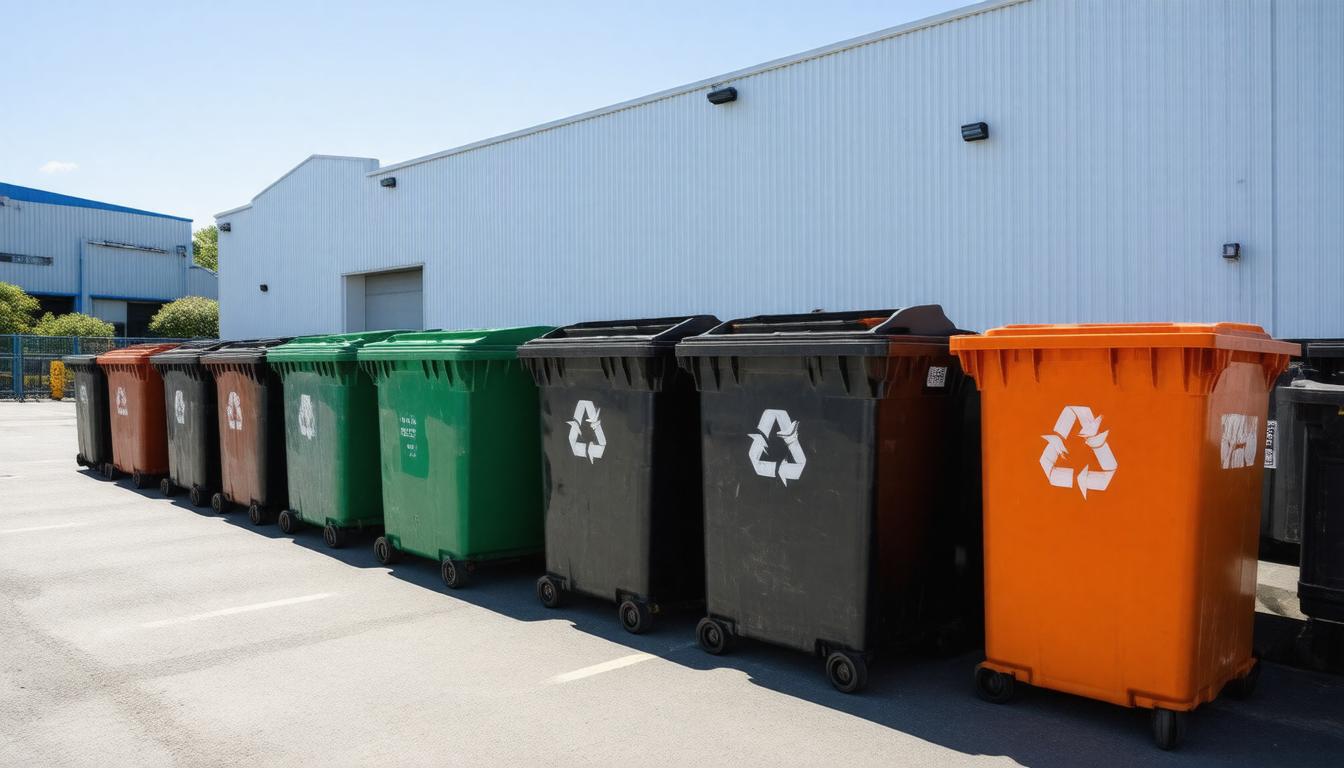
Finding reliable commercial waste disposal near you can feel like searching for a needle in a haystack—there are countless options, but which one truly fits your business? It’s not just about tossing out trash; it’s about finding affordable, trustworthy services that handle your waste responsibly while supporting your local community and environment. In this article, we’ll walk through how to spot the best local providers, what services to look for, and why companies like Tiger Sanitation stand out in South Central Texas.
Tiger Sanitation offers comprehensive commercial waste disposal services in San Antonio and surrounding South Central Texas communities. With customizable dumpster sizes ranging from 2 to 8 yards and optional recycling programs, we provide flexible solutions designed to meet your business’s specific waste management needs.
Finding Commercial Waste Services Near Me
When searching for commercial waste disposal, the first tool you’ll want to use is online directories and review platforms. Websites like Google My Business and Yelp provide user feedback that can reveal how reliable and responsive a company is. These platforms often include details such as service areas, types of waste handled, pricing transparency, and customer service quality.
This type of grassroots information offers invaluable insight beyond what a company’s own website might show. Using these resources helps you narrow down reputable providers in your immediate area without wasting time on vague or non-local options.
Once you’ve gathered a solid list of potential companies, there’s an essential step many overlook: verifying credentials.
It’s crucial to confirm that any commercial waste service you consider holds the proper licenses and certifications required by local and state authorities. Taking Texas as an example, companies must comply with regulations designed to protect both the environment and public health.
A licensed provider ensures that waste is handled, transported, and disposed of legally and safely—avoiding risks like illegal dumping or environmental contamination. Checking for certifications also demonstrates a company’s commitment to industry standards and professionalism. Many firms proudly display their licenses online, but don’t hesitate to request proof directly if it’s not readily available.
Armed with this knowledge about their legitimacy, the next focus should be on what each company offers.
Not all commercial waste services are created equal. You want to find a provider offering comprehensive solutions that match your specific needs.
This might include general trash pickup with various dumpster sizes, options for recycling programs tailored to your business goals, hazardous waste management if applicable, or eco-friendly composting alternatives. A company capable of handling multiple waste streams simplifies your operations by reducing the number of vendors involved.
Additionally, look for flexible scheduling and convenient container sizes appropriate for your volume of waste generation. The best providers will also offer responsive customer support so that last-minute needs or changes don’t turn into logistical headaches.
By carefully vetting local companies through reviews, licenses, and service breadth, you set yourself up for smooth waste management that supports your business sustainability efforts while staying cost-effective. This approach ensures your commercial waste disposal won’t disrupt daily operations but instead becomes a reliable part of your logistical backbone.
At Tiger Sanitation, we bring over 20 years of experience serving South Central Texas businesses with tailored commercial waste solutions—from 2-yard to 8-yard dumpsters to optional recycling services designed around your needs.
Being locally owned means we deeply understand the communities we serve across San Antonio and nearby counties. With flexible rental terms, prompt service, and dedicated customer care specialists ready to assist at (210) 333-4287, Tiger Sanitation is the kind of partner your business deserves when searching for “commercial waste disposal near me.”
Exploring dependable waste disposal options naturally points toward practical rental solutions that meet diverse project demands next. Considering container sizes and rental flexibility will guide you in making affordable choices without compromising efficiency.
Affordable Dumpster Rental Options
Dumpster rentals form the backbone of commercial waste management, yet their costs can feel like a moving target if you don’t know what to look for. Local service providers typically offer more competitive pricing than national chains because they avoid hefty transportation fees and have a deeper understanding of local regulations, which helps keep costs in check without sacrificing compliance or quality.
For instance, take Tiger Sanitation — a company deeply rooted in South Central Texas with over two decades of experience. Their rental fees reflect both affordability and a commitment to community-focused service. Renting a 20-yard dumpster from them runs around $350 per week, accompanied by a clear policy on overfills priced at $50, which makes budgeting straightforward. Contrast this with larger outfits charging upwards of $400 and adding variable delivery or mileage fees, where hidden costs can quickly accumulate.
| Provider | Rental Cost (per week) | Additional Fees |
|---|---|---|
| Tiger Sanitation | $350 | $50 for overfill |
| Local Dumpster Co. | $375 | $30 for delivery |
| National Rentals | $400 | $75 for pick-up beyond 30 miles |
What you pay upfront isn’t always the full story. Many companies layer in extra charges—delivery fees, pick-up surcharges, overfill penalties—that can surprise unsuspecting customers after signing. Local providers, like Tiger Sanitation, tend to keep these fees transparent and reasonable, helping your business avoid unexpected expenses when waste volumes fluctuate or schedules change.
Aside from pricing, personalized customer service factors heavily into why choosing a local company makes financial sense. Local teams understand your project’s unique needs and timelines, offering flexibility that national chains often lack. For example, Tiger Sanitation’s ability to deliver roll-off dumpsters quickly across multiple counties in South Central Texas means your project faces fewer delays—a subtle but valuable form of cost saving.
While some business owners may lean toward national companies based on brand recognition or perceived reliability, it’s crucial to weigh these assumptions against the actual service experience. Local providers not only compete on price but also on responsiveness and adaptability—the kind of advantages that translate into smoother projects and reduced operational headaches.
When businesses tap into affordable dumpster options through local companies, they often benefit twice: lower direct rental costs and indirect savings from exceptional service and better communication. This balance underscores why spending time vetting local waste management vendors can be the smartest investment in your commercial waste strategy.
To get the best value on dumpster rentals, start by requesting detailed quotes from several local providers. Make sure their pricing includes comprehensive information on possible extra fees and services—such as recycling collection or flexible rental periods—which could further optimize your expenses while aligning with sustainability goals.
By choosing locally owned companies like Tiger Sanitation for your commercial dumpster needs, you’re not only accessing affordable rates but supporting a business invested in keeping your community clean and safe. This synergy between cost-efficiency and community care sets the foundation for responsible waste solutions tailored to your commercial demands.
Understanding the cost dynamics is just the beginning; equally important is how businesses can reduce landfill contributions through smart recycling practices. Exploring effective methods for diverting waste will reveal how environmental responsibility and fiscal sense go hand in hand.
Effective Recycling Solutions
Recycling is no longer just a goodwill gesture—it’s an essential practice for businesses looking to reduce their environmental footprint and stay compliant with regulations. Commercial operations generate large volumes of recyclable waste. According to the EPA, businesses produce about 67.8 million tons of paper and cardboard every year alone. This staggering statistic highlights that managing this waste responsibly is imperative.
The first step toward implementing an effective recycling program is conducting a thorough waste audit. This means taking a close look at all the trash your business creates daily and separating it into categories: paper, plastics, metals, organic waste, and more. Knowing exactly what types and how much you produce allows you to tailor your recycling efforts where they’ll have the most impact. For instance, many offices find that paper products dominate their waste stream and can focus on maximizing paper recycling while minimizing contamination from other materials.
Once you understand your waste profile, it’s crucial to partner with specialized recyclers experienced in handling commercial materials efficiently. These partners don’t just haul waste away—they sort, process, and ensure that as much material as possible is redirected back into productive use. Companies like Recology offer robust programs specifically for businesses, covering mixed paper, plastics, metals, and achieving high recovery rates. Collaborating with experts ensures your recycling efforts contribute meaningfully to reducing landfill loads.
However, even the best recycling program can falter if employees aren’t fully engaged or knowledgeable about proper practices. That’s why employee training and ongoing engagement are critical components of success. Training sessions clarify which materials go in which bins, how to avoid contamination (a common issue that can lead to rejection of whole batches), and why these efforts matter—not only for compliance but also for community health. Creating signage, incentives, or regular reminders keeps everyone aligned and encourages participation.
“An effective workplace recycling program transforms what could be wasted into valuable resources,” say many sustainability managers at local companies; Tiger Sanitation echoes this by offering tailored recycling options designed for South Central Texas businesses aiming to boost their environmental responsibility.
Practical Tips for a Successful Recycling Program
- Conduct quarterly waste audits to track progress and identify new recyclable streams.
- Label bins clearly and place them strategically around worksites to encourage use.
- Communicate results regularly to staff—seeing improvements reinforces positive behavior.
- Consider adding composting options if organic waste comprises a significant portion.
- Utilize services like Tiger Sanitation’s commercial recycling collection for streamlined pickup aligned with your schedule.
Integrating these steps creates not just a cleaner workplace but a culture of sustainability that resonates beyond business walls. It reduces costs associated with waste disposal by diverting recyclable material while enhancing your company’s image in the community—a win-win situation.
With solid recycling programs established, it’s essential to address how specialized disposal methods for certain commercial materials can further improve safety and operational efficiency.
Handling Hazardous Commercial Materials
When a business deals with hazardous materials, their approach to waste disposal needs to be far more meticulous and thoughtful than with ordinary waste. These substances—ranging from chemicals and solvents to paints and electronic components—carry potential risks not just to human health but also to the environment if mishandled. Recognizing this, companies must follow carefully structured procedures that reduce dangers and strictly adhere to legal requirements.
The cornerstone of safe management begins with identifying every material classified as hazardous. This means going beyond a glance at your inventory; firms need to familiarize themselves with resources like the EPA’s hazardous waste list. This governmental guideline provides a comprehensive catalogue of what qualifies as hazardous, helping companies avoid costly misclassifications or accidental improper disposal. Missteps here can lead to fines or worse—environmental contamination.
Once identification is clear, storage becomes crucial. Hazardous wastes require segregated holding areas designed to avoid cross-contamination or chemical reactions that could spark fires or release toxins.
This is why labeling each container explicitly is not just recommended—it’s essential. Clear labels indicating the type of hazard (flammable, corrosive, toxic) inform everyone on-site exactly how to handle those materials safely. Without this transparency, accidents become almost inevitable.
However, storage is only one piece of the puzzle.
Once waste accumulates, it’s time to rely on the expertise of certified disposal firms who specialize in hazardous waste removal.
Companies such as Stericycle and Veolia have built reputations providing end-to-end compliance—from transport to final treatment or destruction—ensuring no illegal dumping or exposure takes place. Partnering with these specialists shifts much responsibility away from the business itself while aligning operations with stringent environmental laws.
Of course, even the best external services cannot secure safety alone without proper training and compliance within your workforce. Employees must undergo regular instruction on handling hazardous materials safely, recognizing risks, and responding to emergencies—all in accordance with OSHA standards.
A well-trained team reduces workplace incidents significantly by fostering a culture of vigilance and accountability around hazardous wastes.
“Proper management of hazardous commercial materials is not merely regulatory compliance; it’s about protecting people, property, and planet.”
Establishing these rigorous safeguards ensures your business operates responsibly while protecting the communities Tiger Sanitation proudly serves across South Central Texas. Understanding these critical handling practices also sets the stage for discussing how pricing structures reflect the true cost behind such comprehensive services.
Pricing Structures and Hidden Costs
When you hear a price for commercial waste disposal, it’s often just the starting point. The sticker price usually covers a basic service level—a dumpster of a certain size delivered and picked up on a schedule. But businesses that don’t dig deeper into how pricing works might find themselves hit with charges that don’t show up on that initial quote. This is where understanding the pricing structures—and those sneaky hidden costs—becomes essential.
Many commercial waste providers, including reliable local services like Tiger Sanitation in South Central Texas, set their base fees to cover standard pickup and container rental for a specific period—usually 7 or 10 days. However, if waste exceeds weight limits or contamination occurs (like including prohibited items), additional fees often apply. These aren’t just minor add-ons; overfill fees can sometimes double your bill because dumpsters have strict weight restrictions tied to safety and transportation regulations.
Another common hidden charge is the environmental fee. Proper handling and disposal of certain materials—from electronics to hazardous waste—require special processing methods that cost more than tossing trash in a landfill. Waste companies committed to sustainability, such as Tiger Sanitation with their recycling options, pass these costs along to maintain eco-friendly practices while complying with federal and state laws. These fees aren’t optional—they’re part of responsible waste management.
Service fees also sneakily inflate costs when you extend rental periods beyond what was agreed upon or request extra pickups outside your original contract. Maybe your project runs late, or unexpected debris piles up—those extra days mean extra dollars. Planning ahead and communicating openly about your timeline can prevent these surprises.
“Our bill unexpectedly doubled one month due to unanticipated overfill fees; it pays to read the fine print,” a local business owner shared, emphasizing the importance of knowing what you’re signing up for.
So, what’s the best way to avoid these unwelcome charges? Always ask for a detailed written estimate covering all potential fees before signing up. Don’t hesitate to inquire about weight limits, acceptable materials, rental durations, and any extra costs tied to environmental compliance or additional pickups.
| Fee Type | What It Covers | Why It Happens |
|---|---|---|
| Overfill Fees | Charges when weight or volume limits are surpassed | Safety standards and transportation limits |
| Environmental Fees | Processing waste responsibly following regulations | Compliance with laws and protection of ecosystems |
| Service Fees | Extended rentals or extra pickups beyond contract | Timing changes during projects |
Transparency in pricing benefits both businesses and waste providers alike. When expectations align from day one, you foster trust and avoid costly misunderstandings. Companies like Tiger Sanitation pride themselves on clear communication—something every business should prioritize when choosing a commercial waste partner near them.
Understanding how these pricing details affect your bottom line opens the door to appreciating the larger impact that local services have—not just economically but environmentally as well.
Environmental Benefits of Local Services
Opting for commercial waste disposal within your own community does far more than just simplify logistics—it plays a critical role in reducing environmental impact. When waste management companies operate locally, the distances their trucks travel are significantly shorter compared to services that haul materials across long distances or even out of state. This seemingly small detail leads to a big difference in carbon emissions, cutting down on fuel consumption and pollutants released into the atmosphere.
According to the Environmental Defense Fund, localizing waste collection can reduce transportation emissions by as much as 35%. That’s a substantial drop, considering that transportation is a major contributor to greenhouse gases in many communities. By shortening travel time for trucks, we conserve valuable resources and keep the air cleaner—not just today but for generations to come.
But environmental benefits don’t stop at lower emissions. Local waste firms often have stronger ties with area recycling initiatives. Because they’re embedded within the community, these companies understand local regulations and have easier access to nearby recycling centers. This familiarity allows them to tailor programs that maximize material recovery and reduce landfill dependence.
Enhanced Recycling Rates
One of the most effective ways local service providers support sustainability is through participation in or partnership with community recycling efforts. Such programs not only increase recycling rates but also encourage residents and businesses alike to think more consciously about waste reduction. These localized circular economies keep materials moving within the region—turning discarded items back into useful products without unnecessary transportation or processing delays.
Essentially, when you choose local waste disposal, you’re leveraging their deep community connections to close the loop on resource use. By handing off your recyclables to a company invested in your area’s economic and ecological health, you foster smarter consumption patterns right where you live or work.
Supporting Local Economies
Beyond environmental impacts, selecting a local provider directly benefits the economy around you. A company rooted in South Central Texas—like Tiger Sanitation—employs people from your neighborhoods.
These jobs sustain families and improve livelihoods while encouraging economic resilience.
The multiplier effect kicks in when those workers spend their earnings locally, fueling growth across various industries and services. What’s more, a strong local business presence means quicker response times, personalized customer care, and transparent communication—all essential for smooth waste management operations.
When considering your next commercial waste disposal provider, think beyond cost alone. Visit our website to find dependable and affordable services committed not only to keeping your business clean but also preserving the environment and strengthening our communities here in South Central Texas.
Choosing local commercial waste disposal services supports both a healthier planet and a thriving local economy—a win-win for businesses and communities alike.