

Keeping your home tidy is easier when you have a trash service that shows up on time and handles your waste correctly. But with so many options and rules about what can go where, it’s easy to feel overwhelmed. That’s why understanding how residential trash pickup works—and what choices you have—can make a real difference in saving you hassle, money, and helping the environment. Let’s break down what you need to know to get reliable and affordable trash service right in your neighborhood.
Residential trash services provide regular curbside or container-based waste collection for households, ensuring safe and reliable disposal of everyday trash. Companies like Tiger Sanitation offer convenient scheduling, transparent pricing, and environmentally responsible handling across South Central Texas to keep your home clean and compliant with local regulations.
Overview of Residential Trash Services
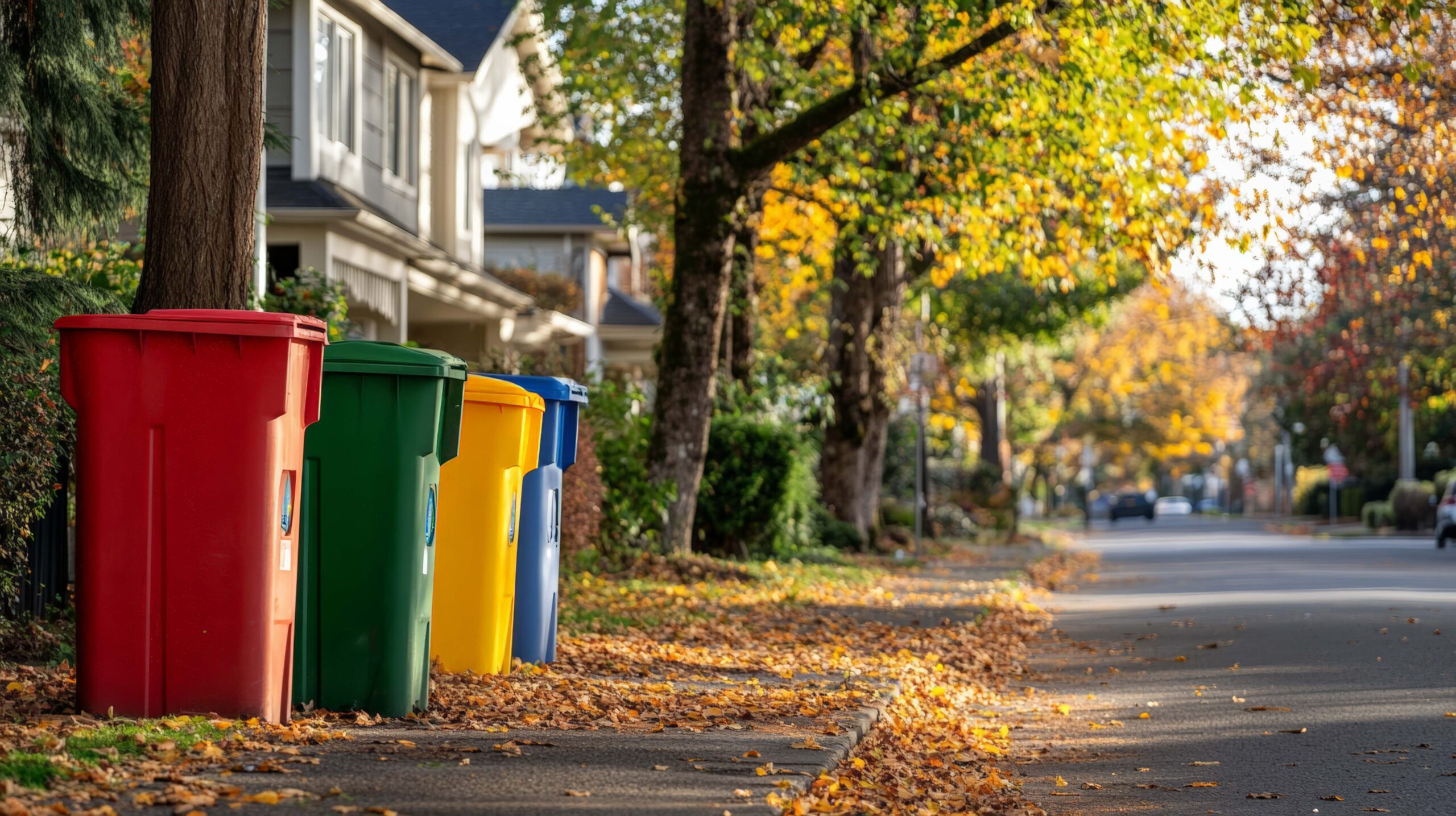
Most residential trash services operate on a simple yet effective model: weekly curbside collection. When you sign up, you’re usually provided with one or more trash bins designed to hold your general waste. This system means you don’t have to worry about where to take everyday garbage — it is collected directly from your curb, saving you time and hassle. The convenience of having waste removed regularly keeps neighborhoods clean and helps prevent problems like pests or lingering odors.
Beyond regular trash pickup, many residential services also accommodate recyclables and yard waste. This multi-bin approach supports environmental responsibility while simplifying waste management at home. By separating items such as paper, plastic, and organic materials, these services make recycling more efficient and help reduce landfill volume — a win-win for both customers and the environment.
It’s worth noting that the frequency of pickups can vary depending on location and service agreement. While weekly collection is typical, some areas offer bi-weekly or even more frequent service depending on demand or special conditions like holidays or seasonal yard cleanup. Knowing the schedule helps residents stay organized and ensures that waste doesn’t accumulate unnecessarily.
One important tip is to use the bins correctly by not overloading them and ensuring materials are properly contained. Overstuffing bags can cause spillage during collection and create safety hazards for workers. Also, following guidelines about what can and cannot be placed in each bin reduces contamination—this enhances the effectiveness of recycling programs and prevents materials from being rejected or sent to landfills improperly.
Different Service Packages
To tailor their offerings, companies often provide tiered service packages that match various household sizes and lifestyles. A smaller family might opt for a basic plan with a single weekly trash bin pickup. Larger homes or those with diverse wastes could benefit from premium plans including multiple bins for recyclables, yard trimmings, and even bulky items like furniture or appliances.
Expanded plans sometimes come with extras like scheduled pickups for hazardous wastes such as paint or batteries — substances requiring careful handling to protect health and keep the environment safe. Being aware of these options allows you to select a plan that fits your convenience without overpaying for unnecessary features.
When exploring residential trash providers, it pays off to ask about flexibility; some companies allow customers to adjust their package mid-contract if their waste output changes over time, for example after renovations or seasonal yard work. Such adaptability ensures continuous service aligned with evolving household needs without disruption.
Understanding the range of services available and how flexible plans can adapt will prepare you well as you consider the details around collection logistics and associated fees coming next.
Curbside Collection and Fees
When it comes to curbside trash collection, the costs are generally tied directly to how frequently your waste is picked up and what types of materials the service includes. For many households, weekly trash pickup forms the foundation of their plan — typically priced around $20 to $30 per month. This straightforward service handles everyday household garbage, which means you don’t have to worry about hauling your bags anywhere, and your neighborhood stays cleaner as a result.
Going beyond basic trash pickup, some providers offer premium packages that bundle recycling and yard waste removal alongside regular trash collection. These plans usually run between $40 and $60 monthly but add significant convenience, reducing trips to multiple disposal points while emphasizing environmentally responsible waste practices. Including yard waste collection might seem minor, but for anyone tending a lawn or garden, having those branches, leaves, and grass clippings collected regularly lightens the burden and keeps your property looking neat without extra effort.
On top of monthly fees, it’s also wise to consider charges for occasional services like bulky item pickups which deal with old furniture, appliances, or renovation debris. These are usually billed on a per-item basis around $10 to $20 each. While not everyone requires this regularly, knowing these costs upfront can prevent surprise bills when large cleanouts are necessary — especially after home projects or seasonal decluttering.
It’s worth noting that some providers might structure their fees differently based on local regulations or operational costs. For example, neighborhoods with tighter environmental restrictions might encourage higher-tier packages incorporating specialized recycling or organic waste removal. Being aware of these variations helps ensure you pick a waste service aligned not only with your budget but also with community standards.
“Understanding every part of your trash service fee is essential — it helps avoid hidden costs and ensures your household’s needs are met effectively.”
With fee structures laid out clearly, the next step is considering how convenient and reliable the actual curbside collection process is for your household schedule and lifestyle. Understanding what types of materials are accepted will also help you optimize your service choice.
Types of Trash Collected
Residential trash services are designed to cover a broad spectrum of household waste, making daily living cleaner and more manageable. At the heart of this system is general household waste—everything from food scraps, worn-out packaging, to non-recyclable plastics. These are the bits and pieces we generate continuously, and most services collect them on a weekly basis to keep your home free of clutter and odors.
The composition of this general waste might seem mundane, but its proper collection and disposal is vital for maintaining neighborhood health and sanitation. When garbage lingers for too long, it invites pests and unpleasant smells, not to mention potential health risks. That’s why reliable pickup schedules coupled with clear guidelines on what qualifies as “general waste” help keep your community safe and clean.
However, general waste is just one piece of the puzzle; understanding what you can recycle is another key aspect of responsible waste management.
Recyclables are an essential part of many curbside services, though their acceptance policies vary widely. Typically, recyclables include paper items like newspapers, magazines, office paper, cardboard boxes, aluminum cans, steel tins, and certain plastics numbered #1 through #7—as long as they’re clean and dry. Contamination here is the enemy: leftover food or sticky residues can ruin entire batches at the recycling facility.
Some services require residents to pre-sort recyclables into separate bins; others use single-stream methods where everything goes into one container for sorting later.
Knowing exactly which materials your provider accepts saves you time and helps prevent “recycling contamination,” a major issue that wastes resources and increases processing costs. For example, Tiger Sanitation clearly specifies that glass is no longer accepted in single-stream recycling due to its tendency to shatter and contaminate other materials—a decision based on both safety and efficiency considerations.
If your home has a yard, then managing green waste becomes another critical factor when choosing trash services.
Many providers offer yard waste pickup, sometimes only seasonally but increasingly year-round depending on your region’s climate. Yard debris includes leaves, grass clippings, small branches, twigs, and garden waste—materials that shouldn’t be tossed carelessly with regular trash because they compost easily or can clog landfill systems.
Proper disposal of yard waste benefits the environment by supporting composting programs while keeping your outdoor space tidy and pest-free.
- Leaves and grass clippings
- Branches and twigs
- Garden debris
Some services may impose size or weight limits on yard waste bundles or require specific containers so collection crews can efficiently and safely handle them. If you have a large property or maintain your garden yourself frequently, prioritizing a service with flexible or generous yard waste options will save frustration down the line.
When selecting a residential trash service, consider your typical household outputs year-round—not just routine garbage but recyclable materials and seasonal yard debris too. A well-rounded service simplifies how you manage all these streams responsibly without surprises or extra costs.
As Tiger Sanitation emphasizes: “Clear guidelines and reliable pickups make all the difference in keeping South Central Texas communities clean and sustainable.”
Exploring these core elements of residential trash pickup prepares you to navigate local programs that focus specifically on recycling efforts within your community.
Local Recycling Programs
Local recycling programs play a crucial role in turning household waste into valuable resources, but their success hinges on residents’ knowledge and participation. In South Central Texas, programs like those supported by Tiger Sanitation help make recycling accessible and straightforward, yet many people still get confused about what can actually be recycled. This isn’t surprising given the evolving rules that vary from one city to another, as well as frequent changes designed to tackle contamination issues.
For instance, many residents might assume glass bottles or jars go in the recycling bin, but in areas served by Tiger Sanitation, glass is no longer accepted in single-stream recycling due to its tendency to break and contaminate other materials. This adjustment shows how local programs aren’t static—they constantly adapt based on processing technology and market demands. Knowing these local nuances helps prevent common mistakes that cause up to 20% of recyclables placed at curbside to become contaminated. Contaminated recycling not only wastes effort but increases costs and undermines the system’s effectiveness.
It’s wise to keep updated on your community’s guidelines. At Tiger Sanitation, customers are encouraged to recycle clean, dry cardboard and paper products, plastics numbered 1 through 7 (but free of food residue), aluminum beverage cans, and steel or tin cans without leftover food. By contrast, items like plastic bags, electronics, polystyrene foam, and food-soiled containers should be kept out of recycling bins. These clear boundaries reduce contamination, keep materials recyclable, and ensure smoother processing.
The impact of such informed participation spreads beyond simple convenience: it directly supports sustainability efforts in the region. When contaminants like plastic bags clog sorting machinery, it slows operations and introduces workplace hazards for staff who must manually clear jams. By carefully following local rules, you contribute to safer working conditions for sanitation workers and improve operational efficiency.
Data from the Environmental Protection Agency illustrates that communities with focused education efforts around local recycling standards — ones that explain exactly what’s acceptable — can boost recycling rates significantly, sometimes reaching or exceeding 50%. This contrasts sharply with the national average hovering near 32%, underscoring how localized knowledge translates into real results.
“Recycling is most effective when everyone understands not just what to recycle but how,” points out a Tiger Sanitation representative. “That means recognizing that policies evolve and taking responsibility for staying informed.”
Your mindful participation in these local programs improves not just recycling quality but also broader waste management outcomes. Next, we turn our attention to the rules and regulations that govern disposal practices—understanding them is key to compliance and effective environmental stewardship.
Understanding Disposal Regulations
Proper waste disposal isn’t just about tidying up your home; it’s also governed by local laws designed to keep communities safe and the environment protected. Ignoring these regulations can lead not only to fines but also to unintended harm—like contaminating recyclable materials or causing hazards at waste processing centers. For homeowners and renters alike, familiarizing yourself with what’s allowed and what’s not in your neighborhood is a crucial step toward responsible waste management.
One of the most critical categories in disposal regulations involves hazardous waste. This includes items such as batteries, paints, cleaning chemicals, and many electronics. These materials aren’t suitable for regular trash pickup because they can leach toxic substances into landfills or cause fires if mishandled. Many waste management companies, including experts like Tiger Sanitation, often organize special collection events where residents can safely drop off hazardous waste. Some providers also offer scheduled pickups for these items to simplify safe disposal. Knowing when and where these services are available helps prevent improper dumping and protects both you and the environment.
Similarly, disposing of bulk items like old couches, mattresses, or large appliances comes with its own set of guidelines. Unlike household trash, these hefty items usually aren’t accepted in standard curbside pickups due to their size and potential hazards during handling. Most local regulations require scheduling a separate collection service or transporting these items to designated disposal facilities. Often, this means calling your waste provider ahead of time to arrange special pickup or locating a nearby drop-off site prepared for large debris. Staying informed here isn’t just about compliance—it also ensures your bulky waste is managed responsibly without cluttering streets or overwhelming landfill operations.
| Waste Type | Disposal Requirement | Typical Solutions | Why It Matters |
|---|---|---|---|
| Hazardous Waste | Cannot go in regular trash | Special drop-offs, scheduled pickups | Prevents environmental damage |
| Bulk Items | Require special scheduling or facility drop-off | Separate pickup calls, transfer stations | Keeps neighborhoods clean and safe |
To stay ahead of any confusion, it pays to check with your local sanitation service—such as Tiger Sanitation, serving South Central Texas—to understand exactly which materials are accepted and how to dispose of exceptions properly. Following these guidelines not only saves you from unexpected penalties but also contributes to a healthier community by reducing contamination risks in recycling streams and protecting soil and water quality.
Understanding these rules lays a solid foundation for making smart choices when selecting waste management options tailored to your needs. Next, we’ll explore how to pick the best service provider that matches both your location and lifestyle requirements.
Selecting the Best Trash Service for Your Area
Choosing your waste pickup partner isn’t as simple as just picking the cheapest option. While cost is important, it shouldn’t be your only concern. The reality is that trash service affects your daily life and local environment in very concrete ways. For example, a reliable schedule means no unexpected piles of waste sitting on your curb, and access to recycling services helps you minimize landfill burden. These practical considerations often matter more than saving a few dollars up front.
First, consider service reliability. Nothing erodes confidence faster than missed pickups or poor communication when delays happen. Reading neighborhood reviews or asking neighbors can give you insights most companies won’t publicize. A company that shows transparency about its schedule and communicates proactively signals respect for your time and property. Reliability also extends to how they handle problems like damaged bins or billing issues—quick responses there make a huge difference on customer satisfaction.
Secondly, pricing matters but it’s best viewed through a lens of value, not just sticker price. Different providers bundle services differently: some include recycling or yard waste pickup in their base price, while others charge extra. You might pay slightly more up front, but if it means fewer surprise fees later or better convenience, it can be worth it. Tiger Sanitation, for instance, offers transparent quotes that help set clear expectations—avoiding those last-minute shocks many homeowners dread.
Beyond reliability and cost, don’t overlook additional services that enhance convenience and environmental responsibility. Recycling programs are increasingly essential as communities push sustainability goals. Some companies now offer guidance on contamination prevention—helping residents understand exactly what can and cannot be recycled without damaging equipment or causing entire batches to be rejected. Yard waste pickup is another valuable service especially during seasonal cleanups or landscaping projects.
“I’ve been using Tiger Sanitation for three years now, and their service has been impeccable. They are always on time and the recycling program is a big plus.” — Sarah Johnson, San Antonio
When hunting for local options, take note if the provider serves your specific community or county directly. Services like Tiger Sanitation cover a wide area across South Central Texas—including San Antonio and surrounding counties—bringing regional expertise to local customers’ needs. This localized presence often means quicker resolutions when something goes wrong.
Ultimately, choosing a trash service blends practical needs with long-term thinking about convenience and sustainability—both critical factors for keeping your home clean and your community green.
The best trash service fits your lifestyle and supports your community’s environmental goals. With thoughtful choice, you secure reliable waste management that benefits both your household and the planet.