

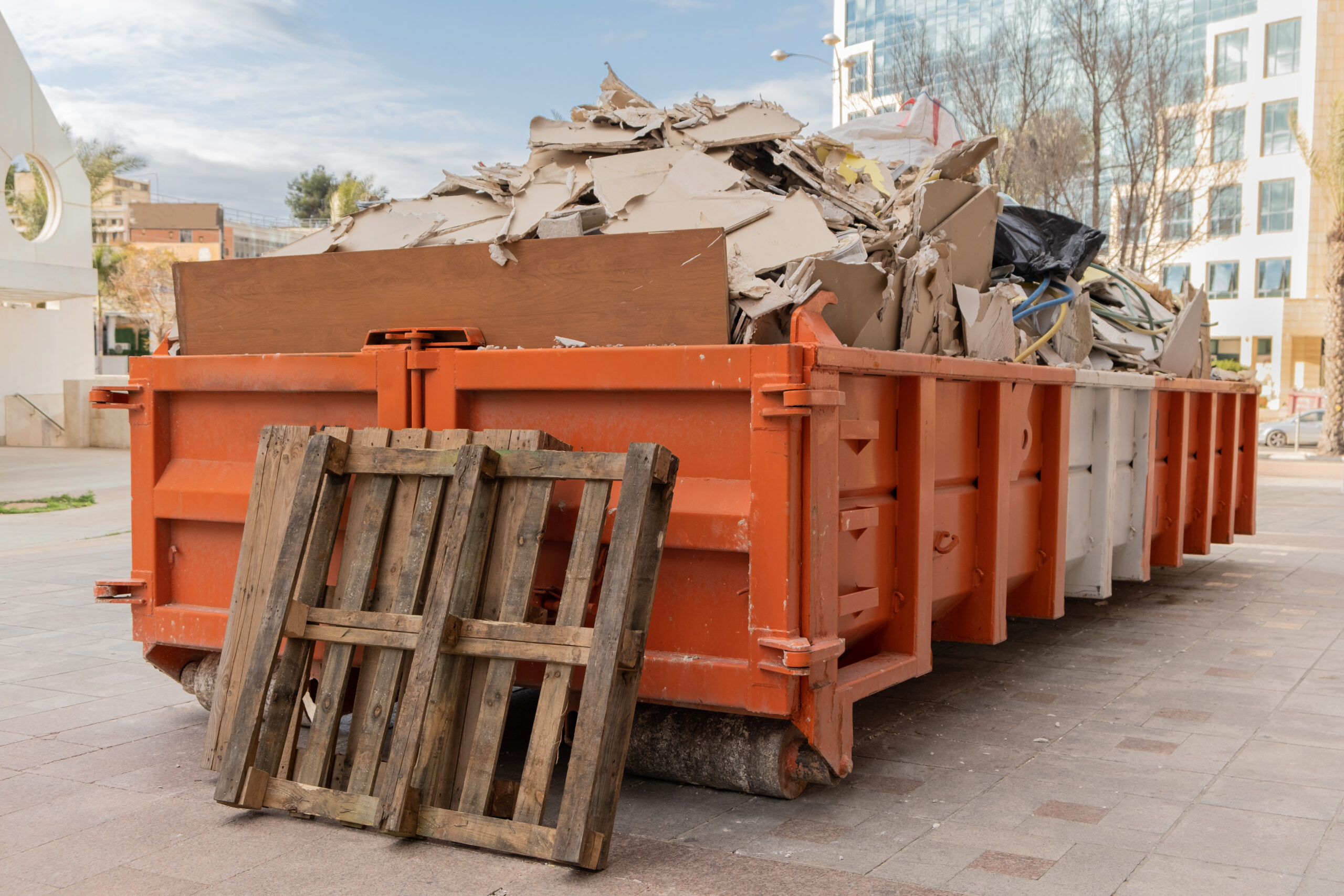
If you’ve ever tackled a home renovation or watched a construction site buzzing with activity, you know how quickly waste can pile up. Managing all that debris might sound like just another chore, but renting the right dumpster makes a huge difference. It’s more than just about tossing stuff out—it’s about keeping your project running smoothly, safe, and within budget. This guide breaks down everything you need to know about construction dumpster rentals, from sizes and costs to smart tips on handling waste efficiently. Let’s make cleanup one less thing to worry about.
A construction dumpster is a large, durable container designed to handle heavy debris generated from construction, renovation, or demolition projects. At Tiger Sanitation, we offer a range of roll-off dumpster sizes tailored to your construction needs, with flexible rental periods and reliable pickup services to keep your project site clean and compliant.
Best Construction Dumpster Rentals
The ideal dumpster rental service should offer not only an array of container sizes but also flexible rental terms tailored to the unique rhythm of your project. Tiger Sanitation, serving South Central Texas, stands out by giving customers that level of adaptability and reliability. Their variety ranges from nimble 10-yard dumpsters perfect for smaller jobs like a garage cleanout, up to massive 40-yard containers designed to tackle large-scale construction debris with ease. This flexibility means you aren’t stuck paying for space you don’t need or scrambling for extra containers midway through your project.
Beyond size options, what makes a dumpster provider really shine is how they handle logistics — prompt delivery, straightforward pickup schedules, and clear communication. Businesses like Tiger Sanitation have built reputations on making these operations seamless. That timely service matters because downtime waiting on your dumpster can stall your entire timeline, costing both money and peace of mind.
They also understand that construction projects are fluid: sometimes deadlines shift or volumes grow unexpectedly. Having a partner willing to adjust pickup schedules or swap containers on short notice becomes an invaluable asset.
Another feature setting outstanding rentals apart is added extras that simplify waste management. For example, Tiger Sanitation provides tarps to cover open-top dumpsters, helping prevent debris scatter and complying with local regulations—something often overlooked but critical for maintaining site safety and cleanliness.
Additionally, offering separate bins focused on recycling paper, plastic, and metal streamlines disposal efforts while supporting eco-friendly practices—a growing priority for many project managers today.
Customer feedback consistently emphasizes how such attentiveness elevates their experience beyond renting a container—it feels more like a partnership embedded in the workflow. One contractor noted how flexible scheduling alongside reliable pickups kept their renovation project on track despite several unforeseen delays. These real-world touches underscore why cost alone isn’t the best indicator of value when selecting your construction dumpster supplier.
To maximize efficiency and cost-effectiveness, assess providers on these criteria: container size variety, responsiveness to scheduling changes, compliance support (like tarp provision), environmental options, and clear communication channels. Taking time to match your specific project needs against those factors will save headaches—and potentially thousands—while keeping your site orderly.
“A great dumpster rental service doesn’t just drop off a container; it actively supports the flow of your build.”
Armed with this understanding of what makes a dumpster rental service truly valuable, it’s important to also consider how your project type shapes those requirements. Whether it’s managing household debris or navigating the complexities of a commercial site impacts everything from container choice to disposal strategy.
Residential vs Commercial Projects
Residential projects typically revolve around manageable amounts of debris, which means the waste container you need doesn’t have to be enormous. For homeowners repainting a room, replacing flooring, or clearing out a garage, a 10-yard or 20-yard dumpster usually fits the bill perfectly. These smaller dumpsters are designed to slip into tight driveways or alleys without disrupting your neighbors or daily routine. Plus, their compact size keeps costs reasonable, making them ideal for one-time or short-term household projects.
On the flip side, commercial projects demand larger capacities and sturdier containers due to the scale and variety of waste generated. Imagine a commercial renovation tearing down several walls or a new office building construction; these projects generate far more debris — from drywall and concrete chunks to wood scraps and packaging materials. Here, 30-yard and 40-yard roll-off dumpsters aren’t just convenient; they’re essential for maintaining site cleanliness and safety. Larger containers reduce trips to the landfill, saving time and money while keeping your operation running smoothly.
Understanding these differences not only helps in selecting the right dumpster size but also tailors your waste management plan according to the project’s complexity.
| Project Type | Typical Dumpster Size(s) | Common Uses | Key Considerations |
|---|---|---|---|
| Residential | 10-yard, 20-yard | Small renovations, yard work, decluttering | Space constraints; shorter rental periods |
| Commercial | 30-yard, 40-yard | Large remodels, demolition, new construction | Volume of waste; regulatory compliance |
When planning your project, think beyond just volume. Residential jobs often benefit from more frequent pickups with smaller containers that avoid cluttering your driveway. Conversely, commercial sites should aim for fewer pickups but larger containers that accommodate heavy-duty debris safely and effectively. Partnering with a waste management provider like Tiger Sanitation can make this process seamless—they offer tailored dumpster sizes and flexible schedules designed around your unique needs in South Central Texas.
Another consideration is accessibility. Residential zones might restrict where large dumpsters can sit due to narrower streets or neighborhood rules. That’s another reason smaller dumpsters often win out for home projects—ease of placement reduces hassle and potential fines.
“Choosing the right size dumpster for our mixed-use development was critical,” said a San Antonio site supervisor. “Tiger Sanitation worked closely with us to deliver containers that matched our phases perfectly—saving us both time and expense.”
Understanding your project’s scope and aligning dumpster rental choices accordingly is an investment in efficiency and safety. Whether you’re handling a kitchen remodel at home or overseeing a sweeping commercial buildout, matching container size and service cadence will keep debris under control and your worksite compliant with local regulations.
This thoughtful approach reduces unnecessary costs and environmental impact while ensuring smooth progress on any construction or cleanout endeavor.
Next, we explore how various factors influence pricing so you can budget wisely as you prepare for your rental needs.
Breakdown of Rental Costs
When you begin to budget for a construction dumpster rental, it’s essential to understand that the price isn’t just a flat fee. Several factors intertwine to dictate the final cost, from how long you keep the dumpster to the size you choose and your location.
For example, renting a 20-yard dumpster in San Antonio typically runs between $350 and $450 for a week’s use. However, if you are outside urban hotspots and closer to rural areas, prices might be notably lower due to less logistical complexity.
One important detail often overlooked is additional fees. These can sneak up on unsuspecting renters: permits required by local authorities may add extra charges, especially if the dumpster sits in a public space rather than private property.
Another significant cost factor is weight overage — dumpsters come with weight limits adjudicated by landfill regulations and transportation rules, so exceeding these can trigger surcharges.
For homeowners or builders who need to dispose of materials considered hazardous—like certain paints or solvents—special handling charges apply because of environmental laws.
Knowing this, it pays dividends to ask upfront for a full breakdown from your rental company—not just the base price but all conceivable supplemental fees. Transparency guards against surprise expenses, which can derail budgets during ongoing projects.
There’s an ongoing debate among renters: should you opt for the cheapest dumpster or invest in a more comprehensive service? While the economical option seems attractive at first glance, it often lacks niceties like guaranteed pickup schedules or help with permit acquisition.
On the flip side, paying a little extra for reliable service can keep your project moving smoothly without costly delays or fines. The choice hinges on how much time, knowledge, and risk you want to take on yourself.
When working with Tiger Sanitation, based in San Antonio, Texas, customers benefit from customized plans tailored precisely to project size and waste type. Their transparent pricing means clear invoices without hidden fees, supported by knowledgeable staff who walk you through permits and regulations when necessary.
This proactive approach minimizes unexpected costs.
Always clarify upfront whether your rental includes delivery and pickup fees; sometimes these are separate line items instead of inclusive charges.
| Cost Factor | Description | Impact on Price |
|---|---|---|
| Rental Duration | How long you keep the dumpster | Longer rentals increase total cost |
| Dumpster Size | Volume capacity (e.g., 10, 20, 30-yard) | Larger sizes have higher base rates |
| Location | Urban vs rural logistics | Urban locations generally cost more |
| Permits | Required permits for placement | Can add $50-$200+ depending on locale |
| Weight Limit Overage | Fees for exceeding allowed weight | Typically charged per ton over limit |
| Hazardous Materials | Special disposal requirements | Higher fees due to regulation compliance |
With a clear grasp of these cost components, you are better equipped to select the ideal dumpster for your project without unwelcome surprises. Next, we’ll examine how to choose container sizes tailored specifically for different waste disposal needs.
Dumpster Sizes for Different Needs
Choosing the right dumpster size starts with an honest assessment of the job’s scope. For smaller undertakings, such as tidying up a cluttered garage or trimming back overgrown garden beds, a 10-yard dumpster fits the bill. It’s compact enough to tuck into tighter spaces like driveways without causing disruption, yet roomy enough to handle about 50 to 70 standard 33-gallon trash bags worth of waste. This balance between size and convenience ensures you’re not paying for unused space while still having ample room for debris, making cleanup straightforward and efficient.
Moving beyond small cleanouts, when your project steps into the realm of remodeling or moderate renovation, selecting a dumpster that can keep pace matters.
The 20-yard dumpster shines here, offering nearly double the capacity of its smaller counterpart while maintaining manageable dimensions. Think of kitchen remodels where heavy tiles, cabinetry scraps, and drywall fragments accumulate fast—this size accommodates roughly 120 trash bags worth of material, so you won’t need to worry about frequent pickups eating into your timetable. The added volume coupled with respectable accessibility means it strikes a practical middle ground that suits many residential projects comfortably.
And yet, some projects are simply too large or complex for modest dumpsters—they demand strength in size and flexibility.
That’s when you look at 30- and 40-yard roll-offs. These giants serve construction sites, extensive home additions, or complete demolition cleanouts where debris piles up in staggering amounts. Their capacity allows for bulky items like doors, carpets, concrete pieces, and framing materials to be discarded all at once. Handling this volume not only accelerates cleanup but also avoids mid-project delays caused by waiting on waste hauling. Visualizing your project’s waste load—both in volume and type—can prevent overspending and ensure smooth job site organization.
Be sure to factor in accessibility as well; larger dumpsters require adequate space for delivery trucks and placement. Planning ahead can spare you headaches and fines down the road, particularly if local regulations impose limits on container sizes or their positioning on streets or driveways.
| Dumpster Size | Approximate Volume (Cubic Yards) | Typical Uses | Capacity (33-Gallon Trash Bags) |
|---|---|---|---|
| 10-Yard | Around 10 | Small cleanouts, yard debris | 50 – 70 |
| 20-Yard | Around 20 | Medium renovations, tile/stones | ~120 |
| 30-Yard | Around 30 | Large renovations, demolition | Larger bulky debris |
| 40-Yard | Around 40 | Major construction projects | Very large debris volumes |
Once you’ve matched the dumpster size to your project’s scale, integrating this choice wisely into your workflow simplifies waste disposal dramatically. This kind of planning lays the foundation for what follows next—the strategies that help maximize efficiency when managing your site’s waste stream.
Tips for Efficient Waste Disposal
When managing construction waste, efficiency is more than just convenience—it’s a necessity. Properly categorizing materials from the start streamlines the entire disposal process. Metals, concrete chunks, wood scraps, and general debris each have unique disposal needs. Sorting these materials not only eases recycling efforts but also ensures hazardous or bulky items don’t contaminate regular trash loads, reducing costly overage fees.
Taking a few extra minutes on site to segregate the waste means less hassle later when your rented dumpster arrives to be emptied.
Another critical practice is breaking down large items before disposal. Lumber, drywall sheets, or furniture can take up excessive space if tossed whole into the container. By disassembling them into manageable pieces, you create space that allows more waste to fit without needing a larger—and pricier—dumpster.
Stacking debris thoughtfully is part art and part science: avoid loose piles that trap air pockets because trapped air wastes valuable volume. Instead, alternate layers of heavier and lighter materials so everything compresses evenly.
For example, flattening cardboard boxes and cutting long planks or pipes reduces wasted space dramatically. This simple step can sometimes prevent the need to rent another container entirely.
Alongside efficient packing, thinking ahead about recycling and donation offers further advantages.
Recycling and Donation
Before tossing everything indiscriminately into the dumpster, pause to see if some materials can find new life elsewhere. Metals like copper wiring or steel beams have significant scrap value and are almost always recyclable through local programs. Wood that’s clean and untreated can often be repurposed; some charities gladly accept usable lumber or fixtures for community projects.
Not only does this conscientious approach reduce landfill volume—a major environmental benefit—but it can also lower your disposal costs by lightening the dumpster load. Many waste management companies like Tiger Sanitation facilitate recycling services alongside trash removal, making sustainability easier for construction projects across South Central Texas.
Donating reusable items may require a bit more coordination but pays off by supporting community programs while trimming your project’s waste footprint. Planning for these options early in your project timeline ensures materials don’t end up wasted when they could instead serve someone else’s need.
Intentional sorting, compacting, recycling, and donation form a strategy that benefits your budget, the environment, and project efficiency. As we shift focus from practical disposal methods to broader impacts, understanding how these practices align with regulations and sustainability efforts becomes vital.
Environmental and Legal Benefits
Sticking to the rules around waste disposal isn’t simply about avoiding fines—it’s about acting as a responsible steward of the environment. Construction projects generate a mix of materials, some potentially hazardous, others recyclable, and every bit requires careful handling. Ignoring proper procedures can lead to costly penalties and cause lasting environmental harm.
Legal compliance starts before you even place a dumpster on-site. Most cities and counties require a permit if you plan to place the container on public streets or sidewalks. Without this permission, your project risks fines or shutdowns, which cost precious time and money. Additionally, regulations dictate strict handling of toxic materials such as asbestos, lead-based paints, or chemical solvents, mandating that contractors work with specialized services licensed for hazardous waste.
Choosing a trusted partner familiar with local laws—like Tiger Sanitation in South Central Texas—ensures you avoid these pitfalls and stay on schedule.
Furthermore, environmental benefits come from mindful sorting and recycling of construction debris rather than sending everything to a landfill. Materials like metal scraps, concrete rubble, clean wood, and certain plastics can often be recycled or repurposed when collected correctly. This reduces landfill volume and conserves natural resources by cutting down on the need for new raw materials.
Many companies now offer tailored programs that assist with onsite segregation of waste streams and provide recycling bins or compactors designed specifically for construction sites.
Partnering with providers like Tiger Sanitation not only simplifies compliance but enhances your project’s green profile. Their services include flexible roll-off containers ranging from 10 to 40 cubic yards with options for recycling separation, helping clients cut their environmental footprint without hassle. Plus, they understand the nuances of South Central Texas regulations covering all counties they serve—from Bexar to Guadalupe—giving clients peace of mind that their waste management meets local standards fully.
Ultimately, integrating environmental care into waste management isn’t a burden; it’s an investment in healthier communities and improved project efficiency. When contractors respect these principles, they minimize unexpected regulatory interruptions while promoting sustainability goals increasingly valued by clients and jurisdictions alike.
“Proper waste disposal is not just about cleanliness; it’s about responsibility: toward laws we must follow and the planet we share.”
Knowing the benefits of compliant and eco-conscious waste disposal opens the door to practical steps on choosing the right dumpster size and rental terms for your specific construction needs.
By embracing responsible waste management practices, contractors safeguard their projects against legal risks while contributing to environmental sustainability—a win-win that elevates both business success and community wellbeing.