
When you start a construction or renovation project, dealing with the waste can quickly become overwhelming. Finding the right dumpster rental might seem simple, but picking the best size and service can save you time, money, and a lot of headaches. Whether you’re clearing out old debris or managing ongoing trash, understanding your options ahead helps keep the site clean and your project on track. Let’s break down what construction dumpsters are all about and how to choose the right one for your needs.
A construction dumpster is a large, durable container designed to handle heavy debris and materials from construction, renovation, or demolition projects. To rent one, contact a reliable waste management provider like Tiger Sanitation to select the appropriate size and arrange timely pickup and drop-off based on your project schedule.
Types of Construction Dumpsters
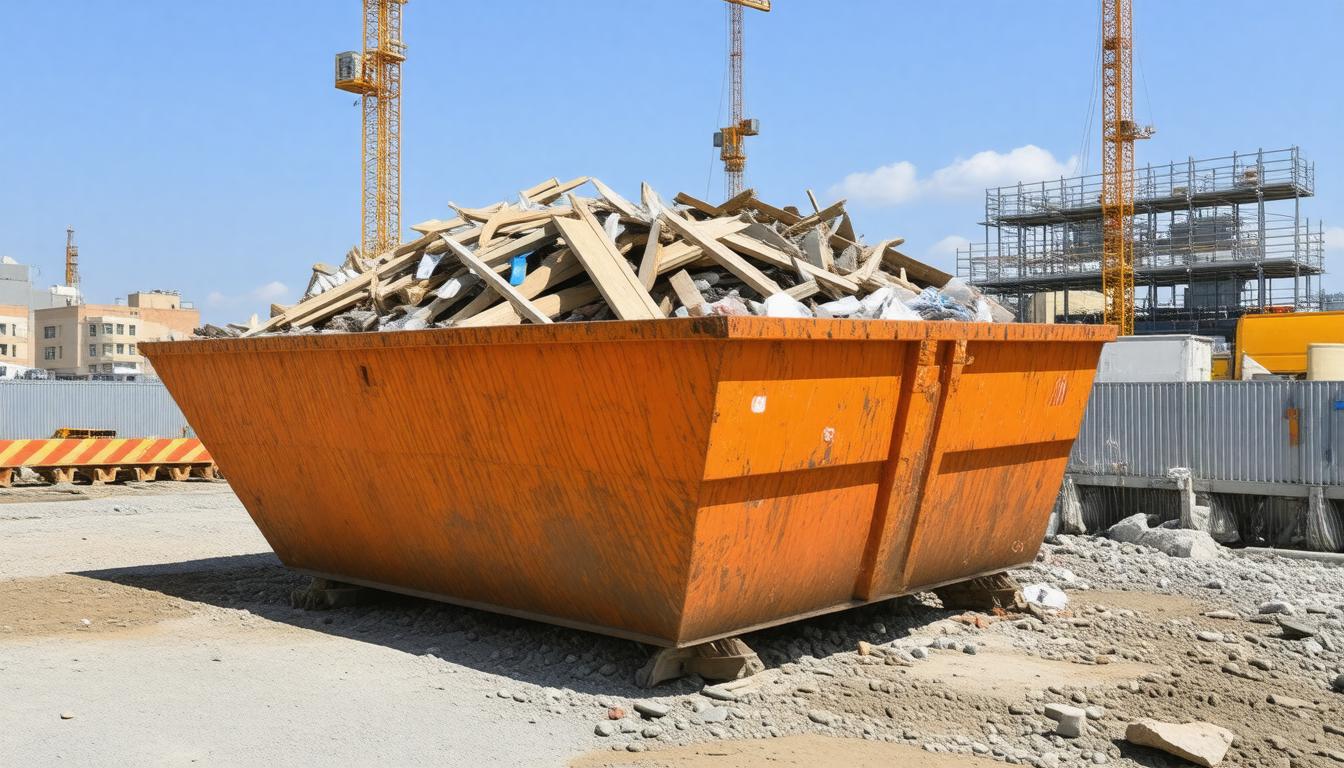
The standard roll-off dumpster is probably what first comes to mind when you think of construction waste containers. These rectangular, open-top containers arrive by truck right to your site, making them a favorite for everything from minor renovations to full-scale construction jobs. They’re incredibly versatile because they handle almost any type of debris: wood, drywall, concrete chunks, roofing materials—you name it. Their sizes vary widely, typically from 10 cubic yards up to a hefty 40 cubic yards. This range means you can match the dumpster size to the scale of your project without paying for unused capacity or risking overflow.
What makes roll-off dumpsters particularly convenient is their open tops, allowing workers to easily toss in large and awkwardly shaped debris without struggling to fit it through a small opening. The trucks delivering these dumpsters are equipped with hydraulic lifts, so moving them on- and off-site is straightforward. It’s not just about convenience; it’s about safety and efficiency on busy worksites.
On the other end of the spectrum lie front-load dumpsters, which tend to be smaller and more specialized.
Front-load dumpsters generally range from 2 to 8 cubic yards. You’ll often see them outside commercial buildings where regular trash pickup happens—ideal for small renovation projects or sites that generate light debris. Unlike roll-offs, these units have lids and are designed with a locking mechanism compatible with garbage trucks that lift and empty them automatically from the front. Because of their size and design, front-load dumpsters aren’t suitable for heavy-duty construction waste or massive cleanouts but shine when you’re dealing with manageable amounts of trash or remodeling scraps.
Say you’re remodeling a bathroom or replacing flooring in a few rooms; hauling away smaller amounts of debris weekly using a 6-yard front-load dumpster could avoid the hassle of managing a giant roll-off box that takes up highway space or blocks driveway access.
Choosing between these dumpster styles also depends on space constraints and the frequency of pickups you need. If your site has limited room or access restrictions, the compact footprint and closed design of front-load containers might be best. But if you anticipate large volumes of mixed materials piled up during demolition or framing stages, you’ll appreciate the capacity and openness of roll-off dumpsters.
Additionally, do consider your local provider’s offerings—for example, Tiger Sanitation offers a range of sizes and quick scheduling options in South Central Texas tailored to both residential and commercial clients. An informed experience like theirs can help you find an affordable solution matched exactly to your project’s waste profile.
Whether you choose a standard roll-off or a front-load dumpster, understanding what kind of waste you’ll produce and how frequently will determine not only your container size but also impact costs, site cleanliness, and environmental compliance.
With these distinctions in mind, your next step is matching those dumpster types with affordable sizes that fit your budget and waste removal goals while keeping your construction site organized and efficient.
Selecting the Right Dumpster Size
When you’re staring down a pile of debris, estimating just how much space it will take up can be trickier than it first appears. Choosing a dumpster that’s too small means making multiple rentals or overfilling, which racks up additional fees and causes delays.
On the other hand, oversizing leads to paying for unused capacity—money flushed down the drain. This delicate balance between just enough and too much hinges on understanding your project’s specific demands, not guesswork.
The most common dumpster sizes, ranging from 10 to 40 cubic yards, offer varied capacities tailored to different scales of work:
| Dumpster Size | Typical Use Case | Approximate Volume Equivalent |
|---|---|---|
| 10-yard | Quick clean-ups or small interior renovations | About size of a one-car garage cleared out |
| 20-yard | Medium projects like roof replacements or major remodels | Moderate waste accumulation |
| 30-yard | Larger home additions or sizeable building sites | Heavy debris amounts |
| 40-yard | Big demolition jobs or full-scale remodels | Tons of materials needing removal |
Knowing these sizes helps set realistic expectations, but what truly sets smart renters apart is calculating volume more precisely.
Moving forward from basic size categories, let’s consider how you can estimate the debris your project will generate—and why this step is so crucial.
Calculating Debris Volume
Visualizing a cubic yard might not be intuitive if you aren’t accustomed to construction measurements. One cubic yard equals about 20 regular-sized trash bags filled with waste. When reviewing how many bags—or piles of materials—you’ll discard, start converting those piles into estimated cubic yards.
For instance, a project creating around 60 bags translates roughly to a 3-cubic-yard load. This allows you to pick a dumpster sized accordingly or to round up conservatively for safety.
Industry professionals estimate that nearly 25% of dumpster rentals involve size miscalculations, causing either premature swaps or leftover paid-for space. These errors can add hundreds of dollars in costs and disrupt timelines.
Hence, investing time upfront in accurate volume estimation ultimately saves both money and stress.
Another dimension to consider is the type of debris involved. Heavy materials such as concrete or dirt fill volume quickly yet may hit weight limits before space runs out, sometimes requiring specialized dumpsters. Light materials like wood scraps or drywall take up more volume but weigh less overall.
Tiger Sanitation assists customers by matching particular waste types with appropriate bin sizes and pickup schedules—helping avoid costly surprises.
Before committing to a rental, reflect on past experiences or consult experienced providers like Tiger Sanitation at (210) 333-4287. Their experts help craft plans tailored to your project details—whether residential remodeling or commercial construction—ensuring precise dumpster size selection and efficient waste removal.
Using their online scheduling tools at https://choosetiger.com also gives you control over pickup dates that align with your workflow seamlessly.
“Good planning in dumpster selection is one of those behind-the-scenes tasks that customers rarely think about—until it saves them time and money,” says Tiger Sanitation’s team lead.
Selecting the right dumpster size strikes the perfect balance between cost-effectiveness and convenience—a crucial step toward sustainable construction waste management in South Central Texas and beyond.
Understanding how to measure your waste properly naturally leads to exploring flexible pricing structures and solutions tailored to different budget needs—and here’s where affordable rental options come into play next.
Affordable Rental Options
When it comes to renting a construction dumpster, affordability doesn’t mean you have to sacrifice quality or reliability. One of the smartest moves is to explore local vendors, like Tiger Sanitation in South Central Texas, who often provide competitive pricing compared to big national chains. By requesting quotes from several local companies, you get a clearer picture of what fair market rates look like in your area.
For instance, recent data from a 2025 Consumer Review report shows that local providers typically offer prices around 15% lower than their nationwide counterparts—a substantial saving on any project.
Yet cost alone isn’t the full story when considering rental options.
It’s also crucial to examine what’s included in the price you’re paying. Bundled services are becoming increasingly common and offer remarkable value by combining delivery, pickup, and waste disposal fees into one straightforward package. This approach simplifies budgeting and eliminates surprise costs that often pop up with separate billing.
Tiger Sanitation, for example, provides a bundled package where you pay one flat fee covering both dumpster rental and waste removal. This transparency benefits clients by making overall expenses easier to manage and often cheaper than piecing together individual services.
Understanding these bundled offers leads naturally into how they impact both your convenience and environmental goals.
Beyond just price considerations, bundled packages tend to improve service coordination. When delivery and pickup schedules are streamlined together with waste disposal planning, projects run more smoothly without interruptions from delays or unexpected pickups.
Plus, companies like Tiger Sanitation emphasize proper sorting and disposal aligned with environmental standards—meaning your investment supports sustainable waste management too.
So while affordable pricing captures attention initially, the added benefit of integrated and responsible service delivers long-term peace of mind.
To maximize your value, always request detailed information on what each quote includes. Ask if there are any hidden fees or limits on weight and materials accepted, especially if you anticipate disposing of mixed waste types like concrete, wood, or metal scraps. Clarifying these points upfront avoids costly surprises later on.
Here’s a quick checklist for evaluating rental affordability:
- Compare multiple local quotes side by side.
- Verify what services are bundled vs. charged separately.
- Confirm weight limits and material restrictions.
- Inquire about scheduling flexibility for pickups/deliveries.
- Check for eco-friendly disposal practices.
By taking these steps, you’ll not only find an affordable dumpster rental but also ensure your project benefits from reliable service tailored to your specific needs—so you keep costs manageable without compromising efficiency or sustainability.
Whether managing a small renovation or a major construction site in San Antonio or surrounding counties, companies like Tiger Sanitation stand ready to offer tailored solutions backed by clear communication and customer-focused policies.
Curious about rates or want to schedule a convenient pickup? Contact Tiger Sanitation at (210) 333-4287 or visit choosetiger.com today for personalized assistance and hassle-free dumpster rental services designed for your budget and project size.
With an eye on affordability paired with dependable service, the next critical aspect is how cost structures influence overall waste removal choices and strategies for businesses and households alike.
Cost-Effective Waste Removal
Efficient waste removal is about more than just dumping debris and hoping for the best. It requires careful planning and knowing which strategies fit your project’s scale and timeline.
One of the most straightforward ways to keep costs in check is by opting for scheduled pickup services. Instead of waiting until a dumpster is overflowing—which can trigger extra fees—regularly scheduled pickups ensure that waste is removed promptly. This foresight becomes essential for longer-term projects where debris accumulates continuously.
In fact, with Tiger Sanitation’s online scheduling tools and email reminders, setting up these pickups is effortless. Staying ahead here eliminates surprise costs while maintaining a clean worksite.
But proactive waste removal isn’t solely about scheduling; it’s also about how you physically handle the material. Self-hauling is an option some contractors choose, involving using their own vehicles to transport waste to disposal sites.
While this can seem like a money-saver initially, it comes with hidden factors to consider—namely labor hours, fuel expenses, and wear-and-tear on your fleet or personal vehicles. The time spent driving back and forth might add up quickly, offsetting what you save on rental fees.
Assessing your manpower resources and transportation capabilities upfront helps decide if self-hauling is truly economical or if partnering with a professional service like Tiger Sanitation relieves that logistical burden at a reasonable cost.
Another powerful method for controlling expenses lies in separating waste types before disposal. Construction debris often includes recyclable materials such as wood, metal, concrete, and certain plastics that don’t need to end up in landfills.
Sorting these items reduces overall hauling weight and lowers disposal charges since recyclables are typically cheaper—or sometimes free—to process compared with general trash. The EPA estimates that incorporating recycling practices can reduce waste management costs by up to 20%.
Implementing clearly labeled bins or dumpsters onsite for recyclables versus general waste not only streamlines this sorting but also aligns with environmental responsibility efforts nowadays expected on many job sites.
| Waste Handling Strategy | Potential Savings | Key Considerations |
|---|---|---|
| Scheduled Pickup | Avoids overflow & fines | Requires coordination with service provider |
| Self-Haul | Eliminates rental fees | Adds labor and fuel costs |
| Waste Separation | Up to 20% cost reduction | Needs space & manpower for sorting |
Maximizing cost-efficiency demands combining these approaches thoughtfully. For example, pairing scheduled pickups with dedicated separation of recyclables keeps both volume and fees down without overburdening your team’s time.
Meanwhile, outsourcing waste transport frees up manpower that can focus more productively on core construction tasks rather than moving debris around. Tiger Sanitation supports this by offering flexible packages tuned to project needs, including options for recycling pickups and hazardous waste handling—all aimed at aligning convenience with affordability.
Harnessing these smart waste removal strategies not only safeguards your budget but also reinforces sustainable site management practices that meet today’s rigorous environmental standards. Moving forward, understanding greener disposal methods will further elevate your project’s impact and compliance readiness.
Eco-Friendly Disposal Practices
Reducing the environmental footprint of construction waste isn’t just a trend—it’s becoming an essential responsibility for every builder and property owner. One of the most effective ways to achieve this is by focusing on recycling building materials. Instead of treating everything as trash, sorting metals, wood, concrete, and even drywall can divert a huge percentage of debris from landfills. The Environmental Protection Agency estimates that up to 75% of construction and demolition waste is recyclable, which means most of what you haul away doesn’t have to end up buried underground.
Embracing recycling requires some upfront planning: designate separate containers or dumpsters on-site for different material streams, and make sure workers know what goes where. This practice cuts down on contamination, making recycled materials cleaner and more valuable. For example, keeping painted wood separate from raw timber helps avoid processing delays or rejection at recycling centers. When done right, these small but deliberate actions turn waste into a resource rather than an expense.
While recycling captures many materials, another way to champion sustainability lies in donating usable items rather than discarding them.
Donating Usable Materials
Construction projects often generate surplus materials that are still perfectly functional—things like doors, windows, fixtures, bricks, or cabinetry. Instead of letting these items rot in the dumpster, consider donating them to nonprofit organizations such as Habitat for Humanity or local building reuse centers. Donated materials can be transformed into affordable housing components or community projects, giving your leftover supplies a second life while reducing landfill burden.
Leftover bricks from a kitchen renovation might find new purpose in a community garden wall. Extra lumber can be repurposed for furniture or small structures. This not only supports local charities but also aligns your project with sustainable construction goals—a factor increasingly favored by clients and regulators alike.
When planning your dumpster rental with Tiger Sanitation (call us anytime at (210) 333-4287), remember to communicate your intent for recycling and donations early so we can help coordinate appropriate container sizes and pickup schedules to support these green practices seamlessly.
These strategies—rigorous recycling efforts paired with thoughtful donations—form the backbone of responsible construction waste management that benefits both the environment and your project’s bottom line. As important as managing waste responsibly is understanding the safety guidelines and legal requirements involved in proper dumpster use.
Safety and Regulations for Dumpster Use
Safety around dumpsters starts with where and how you place them. It’s not just about convenience or appearances—placing a dumpster improperly can create serious hazards for workers and the public alike. For instance, making sure your dumpster is on even ground is essential. An uneven surface increases the risk of tipping or shifting during use, which can lead to injuries or property damage. This isn’t conjecture; the Occupational Safety and Health Administration (OSHA) reports that about 20% of accidents related to dumpsters are linked to poor placement.
So when setting up, look carefully at the site and avoid locations near underground utilities like gas or water lines that could be damaged or cause safety risks.
Beyond careful placement, how you load your dumpster matters just as much.
Distributing waste evenly throughout the dumpster is a simple but often overlooked step that dramatically reduces risks. Imagine a dumpster heavily weighted on one side—when the truck comes to pick it up or during transport, that imbalance can cause the container to sway unexpectedly or even fall off the truck bed.
Not only does this endanger workers handling the pickup, but it can also result in costly damages to vehicles, surroundings, or nearby pedestrians. The safest habit is to layer waste thoughtfully so that no single side carries excessive weight compared to the others. This attention prevents sudden movements and keeps operations smooth from start to finish.
Of course, managing safety also means keeping up with local laws that regulate dumpster use.
Many cities and counties require special permits for placing dumpsters, especially if they will sit on public property like sidewalks or streets. Ignoring this regulation places you at risk of fines—sometimes quite steep, reaching up to $500 as reported in recent 2026 municipal reviews.
Beyond fines, unpermitted dumpsters may be removed by authorities unexpectedly, disrupting your project schedule and causing frustration. The permitting process varies but typically involves applying through your local government office or online portal with details about placement duration and location. It’s wise to verify these requirements well before scheduling delivery so you aren’t caught off guard.
Keeping safety top-of-mind also means respecting other regulations, such as restrictions on hazardous material disposal within dumpsters or guidelines for maximum fill levels.
Adhering closely protects both your team and the environment while ensuring compliance with waste management standards promoted by Tiger Sanitation.
“When in doubt, consult experts or official resources on regulations,” says Tiger Sanitation’s experience servicing San Antonio and South Central Texas clients. “We help guide customers through rules and best practices so their projects run safely and smoothly.”
If you want tailored advice on selecting dumpster sizes appropriate for your job while meeting all safety norms—and benefit from regular pick-ups scheduled seamlessly via our online calendar—Tiger Sanitation offers trusted services right here in South Central Texas. Contact us at (210) 333-4287 or visit https://choosetiger.com to learn more.
Quick Tips for Safe Dumpster Use
- Always inspect ground conditions before placement: level surfaces reduce tipping risk.
- Load heavy items first but remain balanced across the entire bin floor.
- Avoid overfilling beyond designated fill lines or above rim height.
- Confirm permits early if placing dumpsters on city streets or sidewalks.
- Inform all personnel about safe loading procedures to prevent accidents.
By integrating these safety measures with proper disposal habits, you protect everyone involved—from workers to neighbors—and promote efficient, responsible construction waste management throughout your project cycle.
Safety and regulatory awareness are key pillars of effective dumpster rental and waste removal services. Following these guidelines helps ensure smooth project execution while safeguarding people and communities around you.