
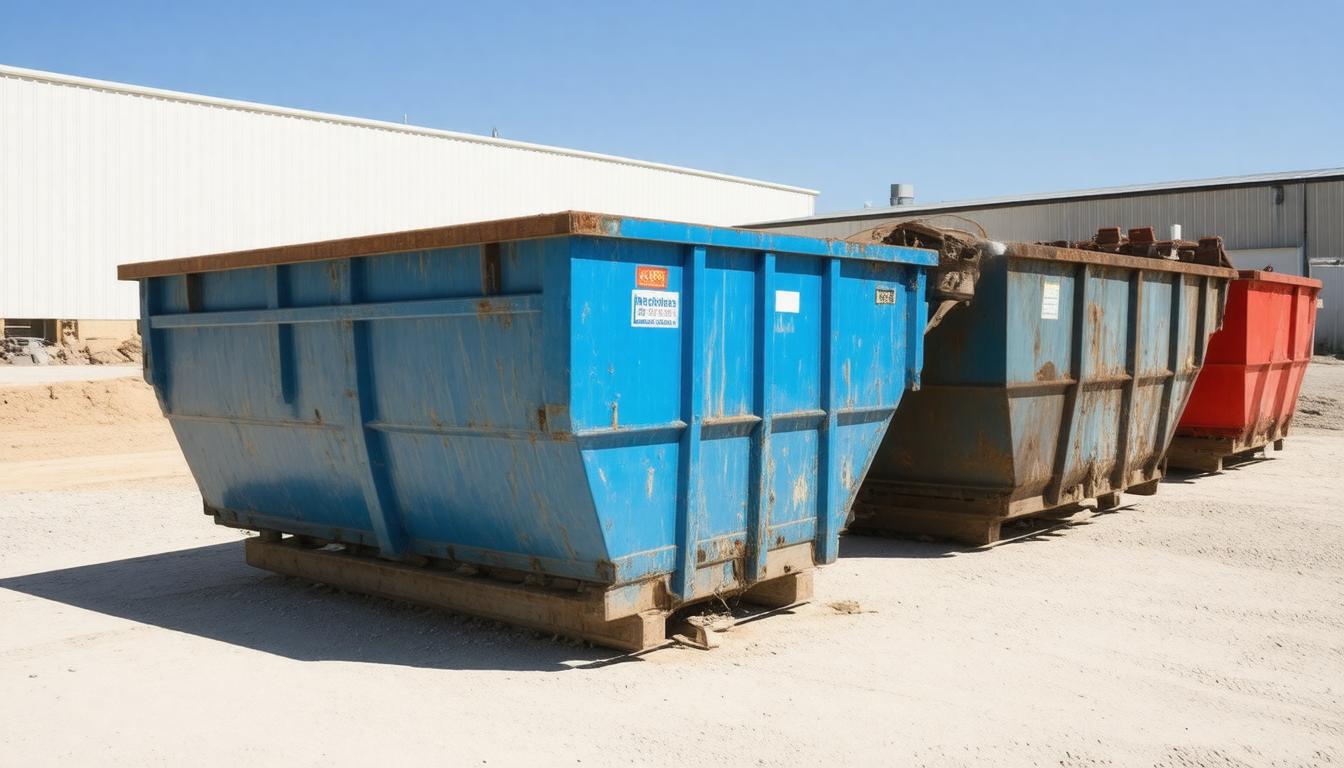
Dealing with a big cleanup or construction project often means one thing. Lots of trash that won’t fit in your regular garbage cans. That’s where roll-off trash containers come in handy. These large dumpsters make hauling away waste easier and less stressful. Whether you’re remodeling a kitchen or clearing out a whole building. In this article, we’ll break down what roll-off containers are, how to pick the right size, and why renting from a local company like Tiger Sanitation can save you time and money.
Roll-off trash containers are large, open-top dumpsters delivered to your site for convenient disposal of construction debris, renovation waste, or bulky materials. They come in various sizes—typically 20, 30, and 40 yards—to suit different project scopes, and can be rented by contacting a local sanitation company like Tiger Sanitation who offers delivery, pickup, and environmentally responsible waste management services.
 What Are Roll-Off Trash Containers?
 What Are Roll-Off Trash Containers?
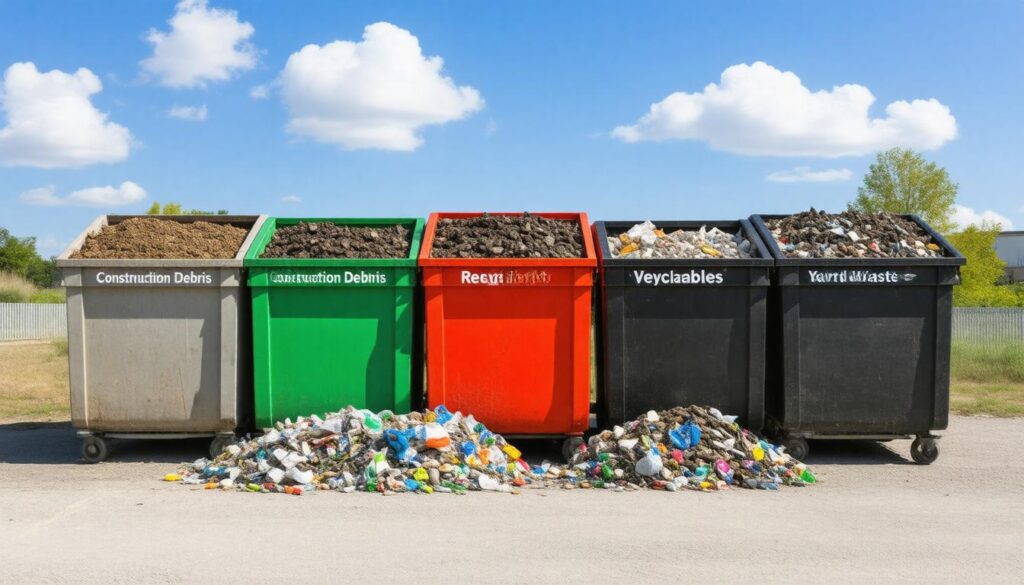
Roll-off trash containers are large, durable dumpsters with a rectangular shape and an open top. Designed to handle significant volumes of debris and waste. Their signature feature is mobility. They are delivered and picked up by specialized trucks that “roll” the container on and off their beds. Making the process efficient and flexible. This quality allows them to serve a wide range of projects. From construction sites chock-full of rubble to home renovations generating piles of discarded materials, or even major clean-outs where tons of junk must be moved quickly.
The construction industry relies heavily on these containers because typical waste from demolition. Wood scraps, drywall pieces, concrete chunks, and metal framing. Requires a sturdy receptacle that can hold heavy, cumbersome refuse without risk of collapse or damage. Because these dumpsters are usually built of tough steel. They can withstand rough handling and weather exposure throughout the rental period. From small renovations needing just a bit of extra space to massive industrial jobs demanding a monster-sized container. Roll-off dumpsters adapt to the scale effortlessly.
What sets roll-offs apart is not just their size but also the simplicity they bring to debris management. Instead of making multiple trips to local landfills or scattering waste around your property. Risking safety hazards and inefficiencies. A single rented dumpster centralizes all refuse. This means workers save time clearing as they go rather than juggling disposal logistics constantly. Additionally, centralized waste collection facilitates better sorting if recycling options are involved, aligning well with Tiger Sanitation’s commitment to sustainability.
| Feature | Description |
|---|---|
| Shape | Rectangular with an open top for easy loading |
| Transportation | Delivered and removed by specialized roll-off trucks |
| Common Sizes | Typically range from 10 to 40 cubic yards |
| Usage | Construction sites, renovations, large-scale cleanouts |
| Materials | Heavy-duty steel for durability and weather resistance |
Understanding these characteristics is crucial when planning your project’s waste disposal. Choosing the right size not only ensures you have enough room for your debris but helps avoid paying for unnecessary extra capacity. For example, Tiger Sanitation offers containers in 20-, 30-, and 40-yard options tailored precisely for the South Central Texas market. Including San Antonio and nearby counties—so customers can select exactly what fits their needs without overspending.
With a clear picture of what roll-off containers are and how they simplify waste removal, it becomes vital to examine how different container sizes cater to various project demands and budgets next.
Container Sizes and Capacities
Roll-off containers come in a range of sizes, each tailored to fit specific project types and volumes of waste. Measured in cubic yards, these sizes determine just how much material you can load into them. For anyone managing a cleanup or construction effort, understanding these sizes is critical: it means avoiding overfilling your container—or paying for more space than you need.
The smallest commonly rented container by Tiger Sanitation is the 10-yard dumpster. At about 22 feet long, 8 feet wide, and 3.5 feet tall. It’s perfect for smaller cleanouts such as bathroom renovations or light demolition projects. Picture it as the compact model ideal when you don’t expect a huge volume of debris—say, replacing kitchen cabinets or siding where waste accumulates but doesn’t pile too high.
Stepping up in size, the 20-yard container offers more flexibility. This container often becomes the go-to for medium-sized projects such as full kitchen remodels or clearing debris from several rooms at once. It measures roughly 22’ x 8’ x 4’, making it spacious enough to hold approximately 110 to 130 standard 33-gallon trash bags worth of material. This size strikes a balance between capacity and manageability, so you won’t feel like it’s hogging all your driveway space.
When tackling larger renovation jobs or new construction sites, the 30-yard container steps in as a workhorse choice. It accommodates bulky materials like drywall sheets, lumber scraps, roofing tiles, and tons of packaging leftover from major home projects. Its dimensions typically reach about 22’ x 8’ x 6’. Think of it as essential when you’re gutting an entire house or undertaking substantial additions. Enough room that workers can clean continuously without trips to offsite landfills interrupting workflow.
The largest standard option available is the 40-yard container. The heavy lifter designed primarily for commercial construction, large-scale demolitions, and expansive renovation projects. With generous height reaching around 8 feet tall alongside length and width mirroring smaller bins (22’ by 8’), it provides maximum volume without sprawling into unusable space on-site. For projects where you’re dealing with bulky concrete chunks or massive piles of mixed materials, this option keeps things organized efficiently.
The key to selecting the right container size isn’t just about the square footage or cubic yardage; it’s about matching the container to your debris type and loading habits. Overestimating size can mean unnecessary rental costs plus hauling fees. While underestimating leads to multiple pickups or unsafe overfilling.
When in doubt, Tiger Sanitation’s experts are available to assess your project details and recommend the ideal container size that balances cost-efficiency with convenience.
With a clear understanding of container capacities and how they align with various project demands, you can approach your next step confidently. Figuring out how exactly to rent one of these roll-off dumpsters and coordinate its delivery to your site efficiently.
Renting a Roll-Off Dumpster
Renting a roll-off dumpster might sound straightforward, but it involves a few important steps that can make all the difference between a hassle-free experience and unexpected headaches. The first step is doing some research—to find a company you can trust and that offers exactly what you need. For residents and contractors in South Central Texas, Tiger Sanitation stands out with a comprehensive range of options and transparent service. Their website, https://choosetiger.com, not only lists available container sizes but also provides helpful information about their service area and contact details, making it easy to start your rental process.
When reaching out, be clear about the scope of your project: Is it a small renovation or a large demolition? What types of materials will you be disposing of? These details help the provider recommend the right container size and avoid issues with prohibited items later. Tiger Sanitation’s customer service team is experienced in guiding clients through this, ensuring your rental matches your project’s needs without any surprises.
Once you’ve picked the right dumpster and spoken with the rental company, it’s time to schedule delivery—this step deserves some thought to avoid complications.
Scheduling delivery means coordinating when and where the dumpster will arrive on your property. This is crucial because access matters. Trucks need enough room to maneuver safely without damaging your driveway or landscaping. Plus, if you’re working in a busy neighborhood or commercial site, check local ordinances or HOA rules to avoid parking conflicts or fines. At Tiger Sanitation, they recommend having an open, stable ground spot for drop-off. Clear communication here can save time and keep your project on track.
Another practical tip is timing your delivery just before work begins. Dumpsters sitting empty onsite for too long can be an eyesore or even tempt illegal dumping by neighbors. Coordinating closely with your contractor or work crew ensures that waste disposal happens efficiently alongside project milestones.
With your dumpster in place, understanding the usage guidelines becomes essential. Not only for safety but also to prevent unexpected fees.
Rental companies like Tiger Sanitation provide clear instructions about what can go inside the dumpster and how full it can safely be filled. Overfilling is more than just messy; it can result in surcharge fees or even refusal to pick up until corrected. Always keep debris below the rim and never block vent holes or doors on containers designed with them for safety reasons. Pay attention to banned materials such as hazardous chemicals, electronics, or tires; these require special disposal methods.
Taking care during loading helps maintain workplace safety by preventing falls or debris spills when moving the dumpster later. It also shows respect for environmental compliance—a core value at Tiger Sanitation where sustainability matters alongside convenience.
Finally, when your dumpster has served its purpose, arranging the pickup is straightforward but critical to wrap up everything cleanly.
When you’re done filling your roll-off container, simply notify Tiger Sanitation’s team who will promptly retrieve the dumpster and handle transportation to authorized disposal or recycling facilities. This full-service pickup alleviates stress since you don’t have to worry about where the debris ends up—it’s managed responsibly adhering to local regulations.
“Choosing a reliable roll-off rental like Tiger Sanitation makes waste management during construction both manageable and environmentally conscious.”
This careful orchestration from selection through pickup underscores how a quality rental experience goes beyond just dropping off a big bin. It’s about ease, safety, compliance, and sustainability all throughout your project timeline.
Understanding each step involved in renting such containers lays a solid groundwork as we move next into what factors influence the overall cost structure and pricing options available for these rental services.
Costs and Pricing Details
 When it comes to renting a roll-off dumpster, pricing isn’t just about the container size stamped on the side. While the size—ranging typically from 10 to 40 yards—is a primary driver in cost, it’s only part of a bigger picture.
For example, a larger container demands more space on your property, incurs heftier transportation fees, and often carries higher landfill disposal charges due to volume and weight. At Tiger Sanitation, our 20-yard roll-off containers commonly rent between $300 to $500 per week in South Central Texas, but that range reflects numerous influencing elements.
Rental duration is one of those less obvious but impactful components. Although many customers think they’re just paying for the container itself, longer rental periods add extra days to the bill. If you anticipate your project running over schedule, getting upfront clarity on daily or weekly extension rates can save surprises later on. Some companies offer discounted rates for extended rentals, so it never hurts to ask about flexible pricing options.
The type of waste placed inside makes a significant difference too—not all rubbish is created equal in terms of disposal costs. Regular construction debris like wood, drywall, and non-hazardous waste usually fit within standard pricing structures.
However, if your project involves heavy concrete chunks, roofing materials with nails, or even certain metals, these materials might push up disposal fees due to their weight or special handling requirements. Hazardous materials such as asbestos or chemicals often require specialized permits and disposal methods, which come at a premium or may prohibit use of typical roll-offs altogether.
Location-related expenses also play a subtle yet notable role. Operating out of San Antonio and servicing surrounding areas like Bexar County all the way to Guadalupe and Kendall counties, Tiger Sanitation accounts for distance when calculating transport fees. Remote sites sometimes incur slightly higher delivery charges due to increased fuel and time commitments.
Understanding this can help you correlate pricing with your project’s geographic context so you know exactly what you’re paying for—and why.
The smart approach? Always request a detailed written quote from your dumpster provider before committing. Ask specifically about what’s included: How many days does the rental cover? What wastes are accepted versus prohibited? Are there any weight limits or extra fees for overweight loads? Transparency here will save headaches by eliminating hidden charges down the road.
Below is an illustrative breakdown to give you a clearer sense of pricing components:
| Factor | Description | Typical Impact |
|---|---|---|
| Container Size | Volume capacity (10-40 yards) | Largest price driver |
| Rental Duration | Length of rental period | Additional daily fees possible |
| Waste Type | Concrete, metal vs general debris | Heavy or hazardous increases cost |
| Geographic Location | Distance from company depot | Affects delivery/pickup fees |
Having a solid grasp on these cost drivers empowers you not only to budget better but also to tailor your dumpster rental choice to your project’s unique needs. Maximizing value while avoiding surprises along the way.
This understanding naturally leads us into examining which types of waste are suitable for these dumpsters and how proper sorting can influence service quality as well as cost-effectiveness.
Suitable Waste Types
Roll-off containers are a fantastic solution for a wide range of waste generated during projects big and small, but knowing which materials are appropriate can save you time, money, and headaches. For everyday household cleanouts, general household waste like old furniture, appliances that are no longer working, scraps from decluttering, and non-hazardous junk fit perfectly in these dumpsters. These containers provide an easy way to clear out living spaces without several trips to the landfill or juggling multiple bags.
Moving beyond the home, if you’re tackling a renovation or construction project, roll-off dumpsters become even more invaluable. Construction debris often includes bulky and heavy materials such as wood beams, drywall panels, slabs of concrete, bricks, and roofing materials. These items can quickly accumulate and clutter your worksite, becoming safety hazards if left scattered. Having a designated large container keeps the area tidy and compliant with local regulations regarding construction waste disposal.
However, while these containers accommodate many kinds of waste, it’s just as important to know what shouldn’t go in them.
Certain materials are strictly prohibited because they pose environmental risks or require special handling. Hazardous waste. Think batteries that leak toxic chemicals, tires that can be fire hazards and breeding grounds for pests, along with solvents or paints containing harmful substances. Should never enter a roll-off container. Dumping these items improperly can lead to fines and complicate your project timeline if discovered during inspections. It’s wise to always consult with your dumpster rental provider, like Tiger Sanitation in San Antonio, who stays updated on local disposal rules and can guide you through what’s allowed.
Before finalizing your rental, ask for a detailed list of prohibited items from the company you choose. This transparency helps plan alternative disposal methods for restricted waste streams before the project begins. Saving stress down the line.
With a clear picture of what belongs in your container and what doesn’t, you’re now better prepared to choose the right size and specifications that match your project’s unique requirements.
Selecting the Right Container
Choosing the appropriate roll-off container starts with a clear picture of your project’s scale and waste volume. When you underestimate, you risk running out of space, calling for an additional container rental that will drive up costs and disrupt your schedule. But if you go too large, you’re paying more than necessary for unused capacity. Finding this balance is both an art and a science. A small calculation with big implications.
From our experience at Tiger Sanitation serving South Central Texas. We often see customers benefit from erring slightly on the side of a larger container. For example, a 20-yard dumpster often suits medium-sized residential renovations perfectly because it handles debris such as drywall, tile, wood scraps. Without overflowing. However, if you’re clearing out a garage or doing extensive roofing repairs. Stepping up to a 30-yard container can provide the extra room you need to avoid multiple hauls—and save time in that way.
Next comes space considerations, a point frequently overlooked until delivery day. Take the time to measure your driveway or designated placement area. Accounting not only for the footprint of the container but also for space around it. Delivery trucks need clearance to maneuver safely without causing damage to landscaping or vehicles nearby. At Tiger Sanitation, we recommend measuring twice—length, width, and height—to ensure no surprises arise when that big truck arrives.
Remember that your container’s size dictates more than just volume. It influences accessibility and safety on-site. A container that’s too large might block traffic flow or violate neighborhood HOA restrictions. While one that’s too small may fill up prematurely, forcing an untimely pickup or swap. Think through how actively your workers will deposit materials and where foot traffic must remain free.
David from San Antonio shares his insight:
“I spoke directly with Tiger Sanitation about my home remodel plans. They asked about the type of debris and timeline I expected. Because of that conversation, I felt confident renting a 20-yard container instead of overspending on bigger options. It fit perfectly and made cleanup straightforward.”
This underscores why communication with your rental provider is invaluable. Convey your project details honestly: How long will work last? What types of waste will accumulate? Do you expect any bulky items? Providers like Tiger Sanitation offer personalized advice tailored specifically to South Central Texas projects. From simple home updates in Buda or Seguin to major site clearances around New Braunfels.
To recap practical tips for selecting your roll-off container:
- Estimate waste generously but avoid excessive oversizing.
- Measure placement areas carefully for safe delivery and access.
- Discuss project specifics with your rental company to receive expert recommendations.
- Consider local regulations or homeowner association rules about dumpster size and placement.
By taking these steps upfront, you not only secure suitable equipment but also set your project up for efficiency and cost-effectiveness. Advantages well worth the effort.
Remember to explore Tiger Sanitation’s full range of services and container sizes at choosetiger.com to find the perfect fit for your next job.
Selecting the right roll-off container is crucial for keeping your project on track and within budget. With proper planning and expert support from providers like Tiger Sanitation. You can streamline waste disposal and focus on what matters most. Getting the job done right.