

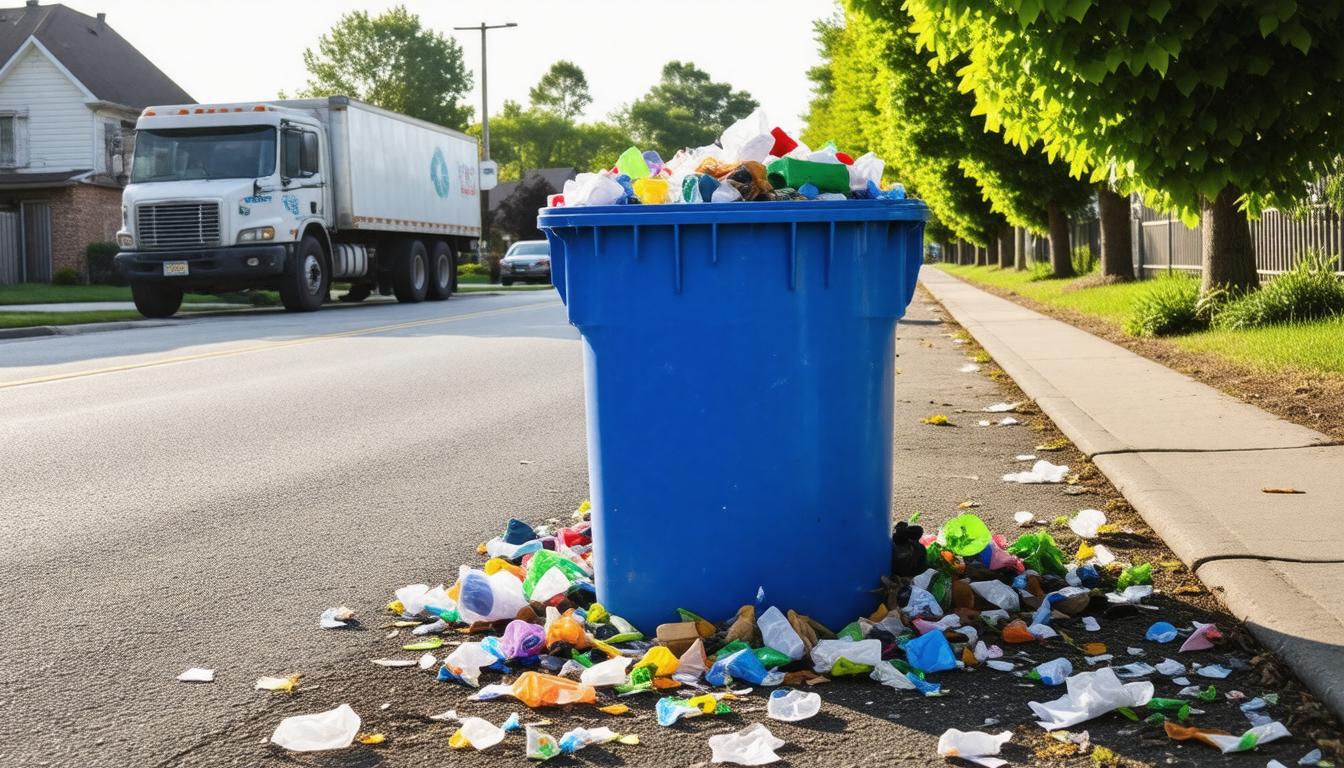
When we toss out our trash each week, it’s easy to overlook the bigger picture of waste management. However, curbside trash services do much more than just pick up your garbage; they play a vital role in keeping our neighborhoods clean and promoting recycling. With organized collection, we not only maintain a healthier environment for ourselves but also contribute to a more sustainable future. This article explores the benefits and costs associated with these services, showing how they can positively impact both our daily lives and the planet.
Curbside trash services typically include regular waste collection from designated bins, bulk item removal, and recycling services. Customers can expect a scheduled pickup right at the curb, ensuring convenience and efficient waste management for residential areas.
What Services Are Provided?
When you think about curbside trash collection, it might seem simple to some, yet it’s an intricate service that encompasses various elements vital for keeping our communities clean and efficient. At the core of these services is Standard Trash Collection, which involves the regular removal of municipal solid waste (MSW). This is your everyday household trash—think food scraps, old packaging, and other non-recyclable materials. The consistency of this service ensures that waste doesn’t accumulate and become a health hazard or eyesore in your neighborhood.
Most providers, such as Tiger Sanitation, offer user-friendly solutions like specialized containers for waste disposal. For example, you might receive a 95-gallon waste cart specifically designed to make it easier to manage your household debris while also ensuring a hygienic collection process. Few people realize just how much difference having a dedicated container can make. Not only does it minimize manual handling of waste, but it also helps to keep pests away.
But beyond just taking care of standard garbage, many curbside services extend their capabilities by offering comprehensive Recycling Services as part of their commitment to sustainability.
Recycling Services
These recycling programs typically include separate pickups for materials that can be reused or repurposed, like paper, cardboard, plastics, and metals. By participating in these services, residents actively take part in reducing landfill waste. Consider this: according to the EPA, recycling just one ton of paper can save approximately 17 trees! That’s a significant environmental impact from one small change. Making recycling easy through regular collection helps foster a culture of responsibility within neighborhoods.
Alongside these essential services are additional niche options that cater to specific needs within the community.
Special Pickups and Bulk Item Removal
Many providers go above and beyond with Special Pickups and Bulk Item Removal. This includes seasonal yard waste collections where leaves and grass clippings are picked up for environmentally friendly disposal. If you’ve ever found yourself needing to dispose of an old sofa or large appliance, you’ll appreciate bulk item removal that caters specifically to such scenarios. Additionally, hazardous waste disposal is often offered for materials like batteries or electronics, which must be handled carefully due to environmental regulations.
To streamline the experience for customers, many waste management companies now provide online scheduling options for bulk pickups. This makes it incredibly convenient to arrange for special services without a hassle; a few clicks can solve your clutter problem! All these components reflect a comprehensive approach that not only manages waste but also contributes positively toward an eco-friendly community atmosphere.
Understanding the breadth of curbside services opens the door to explore how frequently collections occur and how schedules are designed to maximize efficiency and convenience.
Collection Frequency and Schedules
Timing and regularity play significant roles in curbside trash services, shaping how smoothly waste disposal fits into daily life. Typically, most areas experience weekly collection programs designed to help manage waste effectively without overwhelming households. The benefit of having a consistent pickup schedule means you can plan your trash disposal accordingly; it becomes part of your routine rather than an afterthought. For example, in San Antonio, many neighborhoods find that waste pick-up occurs on the same day each week, allowing residents to manage their disposal with ease.
In Bexar County, it’s common for households to anticipate trash pickups on Mondays and recyclables on Thursdays. Keeping this rhythm not only enhances convenience but also encourages proper recycling habits. When residents know exactly when their recyclables will be collected, they are more likely to prepare them ahead of time, leading to better compliance with recycling practices overall.
However, different areas may have varying needs based on population density and disposal requirements.
Weekly Collection Programs
For communities that face larger volumes of waste—particularly those in busy urban areas or neighborhoods with multiple families. Tiger Sanitation can adjust its services to provide more frequent collections. This flexibility ensures that residents have access to a reliable service tailored to their unique situations. If you’re in such an area, you might find benefits from opting for a bi-weekly service or even requesting additional pickups during peak seasons, such as spring cleaning or after holidays.
It’s essential to be aware of how outside factors can impact your scheduled services.
Adjustments for Holidays
One consistent challenge arises around holidays. Many residents don’t necessarily think about how these celebrations can shift collection days, so it’s important to pay attention! For instance, during weeks with public holidays like Christmas or Thanksgiving, your regular trash pickups may be adjusted; Monday’s collection could shift to Tuesday due to schedule changes made by Tiger Sanitation. Being mindful of these shifts not only prevents confusion but also helps keep your home tidy and avoids missed pickups.
One tip is to mark holiday pickups on your calendar at the start of the year. Many companies provide updated schedules well in advance, allowing you to plan around them effectively. By staying informed and adjusting your disposal habits accordingly, you’ll ensure that maintaining a clean home doesn’t become a hassle when those holiday festivities roll around.
Understanding how various factors influence collection services opens the door to exploring the broader implications of these practices on our environment and community well-being.
Environmental Impact of Trash Services
Waste management significantly impacts the environment, and responsible practices in trash collection play a crucial role in this aspect. By utilizing organized waste collection, communities can create lasting changes that benefit both people and the planet.
Reduction in Carbon Footprint
Studies suggest that organized waste collection can substantially reduce carbon emissions. The World Bank has indicated that efficient waste management could potentially lower emissions by 15-20%. This is largely due to reduced transportation needs and optimized routes for waste collection. When collections are scheduled efficiently, fewer vehicles are on the road, resulting in less gasoline consumption and fewer pollutants released into the atmosphere.
Additionally, the adoption of electric or hybrid garbage trucks demonstrates a contemporary shift towards greener solutions. These vehicles operate with reduced emissions compared to traditional diesel trucks, making them a pivotal part of future waste management strategies. Moreover, as cities increasingly invest in sustainable energy options for municipal operations, the overall carbon footprint associated with waste collection will continue to decline, paving the way for healthier communities.
But while these changes are promising, the impact is also keenly felt in landfills.
Landfill Management
Proper landfill management is integral in addressing environmental concerns linked to waste disposal. A critical component of effective waste management is ensuring proper segregation of materials. When residents separate recyclables from general trash, less material ends up in landfills. This simple act not only conserves valuable resources but also drastically reduces the demand for new landfill spaces.
Communities can improve landfill management by implementing user-friendly recycling programs and educational initiatives that inform citizens about proper disposal methods. Making recycling accessible. Such as providing curbside bins for recyclables—fosters community engagement and encourages residents to participate actively.
Innovative technologies like advanced waste compaction systems have revolutionized how we manage refuse. These machines compress waste more effectively, allowing landfills to accommodate more material without expanding their physical footprint. Moreover, bioreactor landfills accelerate decomposition through controlled conditions, ultimately minimizing the time waste spends in these sites.
Ramping up recycling efforts also mitigates strain on landfill sites. For instance, when people regularly recycle plastics, metals, and paper products, they divert significant quantities away from landfills while fostering a circular economy where materials are continuously reused rather than discarded. Not only does this promote sustainability, but it also creates jobs within local recycling facilities—a win-win situation for both the economy and the environment.
Understanding these environmental impacts sets the stage for exploring how to find effective services tailored to your community’s needs.
Choosing the Right Provider
When searching for a provider, there are several key factors to consider that can significantly influence your satisfaction with the service.
Factors to Consider
Cost is often one of the first elements people focus on. It’s essential to compare rates among different providers, as some may charge per bag while others offer a flat monthly fee. While a low per-bag fee might seem attractive initially, those occasional extra bags can add up quickly, leading to unexpected costs. A predictable monthly fee helps you budget more effectively without surprises.
Next, evaluate the range of services offered by potential providers. Ensure that they can meet all your needs. This includes regular trash pickup, recycling options, and handling bulk waste. Selecting a service that doesn’t accommodate larger items or specific recycling requirements can leave you scrambling for alternatives.
Naturally, the best choice will depend on past experiences from other customers. This brings us to the importance of consulting customer reviews. Engaging with feedback from existing clients provides insight into the reliability and overall quality of service being provided. A company like Tiger Sanitation, for instance, is known for its dependable services in San Antonio—a factor that can give you peace of mind that your waste will be handled professionally.
Once you’ve assessed cost and services, it’s equally critical to look for providers that prioritize eco-friendliness in their operations. Many people are concerned about sustainability these days; thus finding a company that shares this value could be beneficial for the environment and enhance community engagement. Practices such as proper recycling and responsible waste disposal ensure your efforts contribute positively to your surroundings.
Selecting a curbside trash service involves careful consideration of multiple facets that go beyond just picking the cheapest option. Tiger Sanitation exemplifies a balance between affordability and a broad range of services—reflecting why exploring enough options before making your final decision is vital.
Armed with this understanding, you’ll be better prepared to implement strategies that maximize the efficiency and effectiveness of your waste management practices.
Tips for Efficient Waste Management
One of the first and most effective steps you can take in managing waste more responsibly is through waste segregation. This simple yet impactful practice involves separating recyclables, compostables, and non-recyclables right at home. By using designated bins for each type, you streamline the curbside pickup process and facilitate proper recycling and composting. Understanding what your local provider accepts is essential, as it can save time, effort, and prevent contamination that might lead to rejected recyclable material.
In addition to segregation, the utilization of bulk pickup services can be a game changer for efficiently managing waste. Items like old furniture or electronics, which cannot fit into regular trash bins, often clutter our living spaces. Scheduling regular bulk pickups prevents excessive clutter and ensures that hazardous items are handled properly. This proactive approach keeps your environment tidy and supports community initiatives aimed at waste reduction.
Moving beyond disposal methods, we also need to think about our consumption habits.
Transitioning to minimizing single-use products is another crucial step in waste management. Every seemingly small choice adds up; opting for reusable products in your day-to-day life significantly reduces the total amount of waste generated. Imagine trading out disposable plastic bags for cloth shopping bags, or forgoing bottled water in favor of a reusable water bottle. These shifts are both eco-friendly and economical. The incorporation of bento boxes for packed lunches is another innovative way to cut down on food-related waste while keeping meals fresh and organized.
Research by the Environmental Protection Agency demonstrates that adopting reusable items can reduce household waste by up to 30%. That’s an impressive figure when you consider how many single-use items tend to pile up. Each small change in your daily routine contributes significantly to a healthier planet.
Each of these strategies sets the stage for a deeper exploration of alternative options available within the realm of waste management.
Exploring Service Alternatives
Beyond traditional curbside services, residents may find a variety of innovative waste management alternatives available to them. One such option is community composting programs. These programs provide designated sites where residents can drop off their organic waste, like kitchen scraps and yard debris. They offer a great solution, especially for those living in urban environments where personal composting setups might be impractical due to space constraints. This option not only reduces the amount of waste sent to landfills but also creates rich soil for local gardens.
Community composting has its benefits, but let’s not forget other alternatives like private waste haulers.
While municipal services are often the more affordable route, opting for private haulers can present tailored solutions better suited to individual or business needs. Imagine having the flexibility to schedule pickups that align with your timetable or needing specialized services, such as handling electronic waste or hazardous materials safely.
This customization makes private hauling appealing to businesses and larger residential complexes that may have unique requirements different from regular households. Their agility in managing various types of waste complements traditional methods, allowing for a more comprehensive approach to waste reduction.
This flexibility allows clients to choose a service tailored precisely to their needs, which proves invaluable in today’s fast-paced environment. Whether it’s through adjustable schedules or specific collections on-demand, many find that these personalized services enhance their overall experience.
Efficient waste management today means being open-minded about both classic and emerging alternatives. Understanding the range of options available is crucial for making informed decisions that benefit not just your household, but also the community at large.
If you seek reliable and eco-friendly waste management services, learn how Tiger Sanitation can assist you by visiting our site.
By exploring various waste management options and tailoring them to your needs. You can effectively contribute to a cleaner and healthier environment.