
Every construction project generates debris. Whether you’re building a new home, remodeling a commercial property, replacing a roof, or completing a demolition project, having an efficient waste management plan is essential. Renting a Construction Dumpster is one of the easiest ways to keep your job site organized, improve safety, and ensure debris is removed efficiently throughout every stage of the project.
Without a designated place for construction waste, debris can quickly pile up, creating hazards for workers, slowing progress, and making it difficult to maintain a clean work environment. A construction dumpster provides a centralized location for waste, allowing crews to focus on the job instead of worrying about cleanup.
What Is a Construction Dumpster?
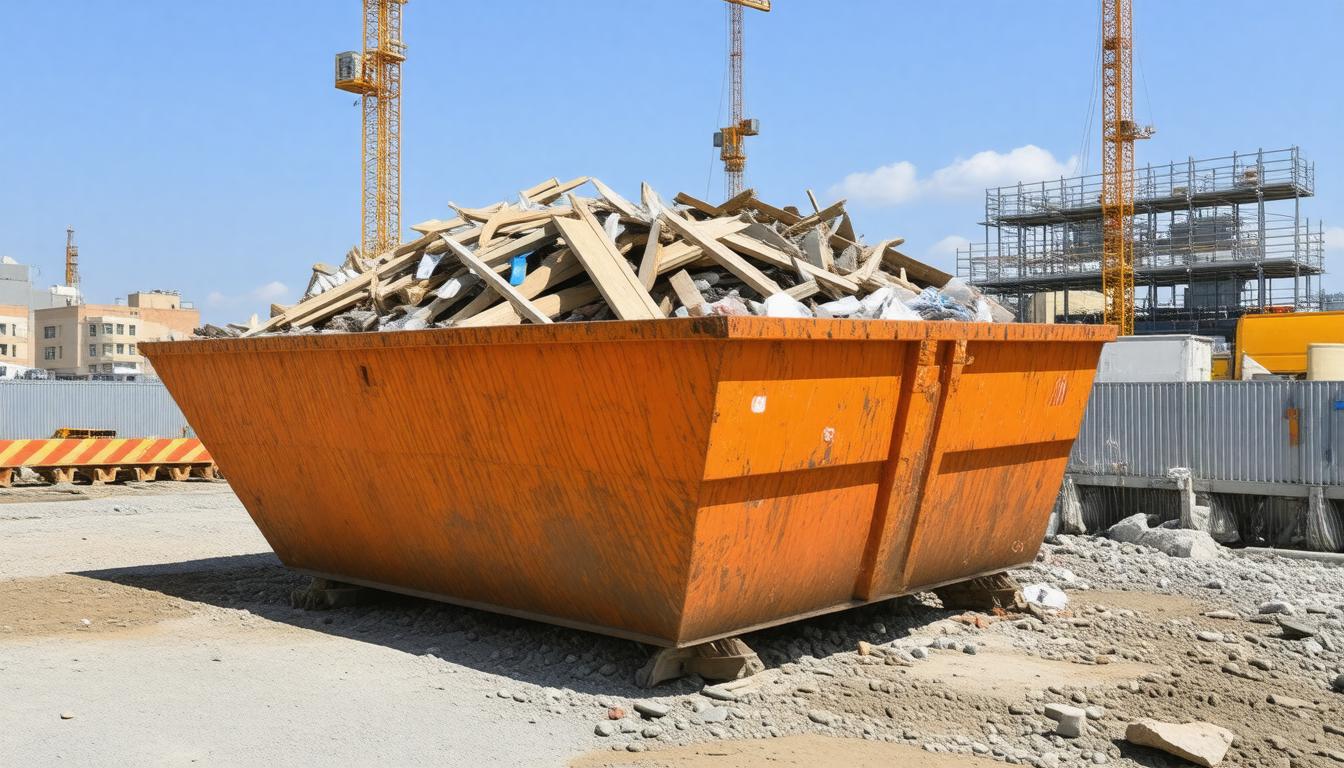
A Construction Dumpster is a heavy-duty roll-off container specifically designed to handle large amounts of construction and demolition debris. Unlike standard residential trash containers, construction dumpsters are built to accommodate bulky, heavy materials generated during building and renovation projects.
Construction dumpsters are commonly used for:
- New construction
- Home additions
- Roofing projects
- Demolition work
- Commercial renovations
- Concrete removal
- Remodeling projects
- Property cleanouts
- Landscaping projects
They provide an efficient solution for managing waste while keeping projects organized from start to finish.
Why Every Construction Project Needs a Dumpster
Construction sites generate a wide variety of waste materials every day. Without proper waste management, debris can create unsafe working conditions and reduce productivity.
A Construction Dumpster helps:
- Keep work areas organized
- Improve job site safety
- Reduce trip hazards
- Simplify debris removal
- Increase productivity
- Protect surrounding property
- Maintain a professional appearance
Having a dumpster readily available allows crews to dispose of waste immediately instead of creating piles that require additional cleanup later.
Materials Commonly Placed in a Construction Dumpster
Construction dumpsters are designed to handle many types of non-hazardous building materials.
Common items include:
- Wood
- Drywall
- Lumber
- Roofing shingles
- Flooring
- Cabinets
- Siding
- Windows
- Doors
- Concrete
- Brick
- Tile
- Metal
- Landscaping debris
Before loading materials, it’s always important to verify what your dumpster rental provider accepts.
Materials That Typically Require Special Disposal
Certain materials are generally prohibited from being placed inside a Construction Dumpster due to environmental and safety regulations.
These often include:
- Paint
- Chemicals
- Asbestos
- Batteries
- Tires
- Fuel
- Motor oil
- Propane tanks
- Hazardous waste
- Medical waste
Your waste management provider can explain proper disposal options for restricted materials.
Choosing the Right Dumpster Size
Selecting the appropriate dumpster size is an important part of keeping your project running efficiently.
Smaller dumpsters may be ideal for:
- Bathroom remodels
- Small home renovations
- Landscaping projects
- Minor roofing repairs
Larger dumpsters are often better suited for:
- New home construction
- Commercial construction
- Large demolition projects
- Major renovations
- Multi-room remodels
Choosing the correct container helps avoid unnecessary pickups while ensuring there is enough space for debris throughout the project.
Residential Construction Projects
Homeowners frequently rent a Construction Dumpster for projects that generate more debris than standard residential trash collection can handle.
Examples include:
Kitchen Remodeling
Cabinets, countertops, flooring, drywall, and old appliances can quickly fill standard trash containers.
Bathroom Renovations
Removing tile, vanities, tubs, and plumbing fixtures creates significant construction debris.
Roofing Projects
Old shingles and roofing materials require heavy-duty waste containers capable of handling large amounts of weight.
Home Additions
Building new rooms or expanding living spaces often generates wood, drywall, insulation, and packaging waste.
Commercial Construction Projects
Commercial contractors depend on reliable dumpster rentals to keep larger projects moving efficiently.
Commercial uses include:
- Office renovations
- Retail construction
- Restaurant remodeling
- Warehouse improvements
- Apartment complex renovations
- Industrial construction
- School renovations
- Municipal projects
Reliable waste removal helps contractors maintain productivity while presenting a cleaner, more professional job site.
Benefits of Renting a Construction Dumpster
A professional dumpster rental service provides several important advantages.
Improved Safety
Keeping debris inside a designated container reduces trip hazards and helps maintain safer working conditions.
Better Organization
A clean job site allows crews to work more efficiently without constantly navigating around piles of waste.
Increased Productivity
Workers spend less time transporting debris and more time completing the project.
Cost Savings
Having one central location for waste often eliminates multiple trips to disposal facilities, reducing fuel costs and labor expenses.
Environmental Responsibility
Professional waste companies ensure debris is transported and disposed of according to local regulations while identifying recyclable materials whenever possible.
Tips for Using a Construction Dumpster Efficiently
To maximize the value of your dumpster rental, follow these best practices.
Plan Dumpster Placement
Choose a flat, accessible location that allows workers to easily dispose of debris without interfering with equipment or deliveries.
Load Evenly
Distribute materials throughout the dumpster to maximize capacity and improve transportation safety.
Avoid Overfilling
Do not load debris above the top edge of the container, as overloaded dumpsters may not be safely transported.
Separate Restricted Materials
Keep prohibited items separate to avoid additional disposal fees or project delays.
Choosing the Right Dumpster Rental Company
When selecting a company for your Construction Dumpster rental, look for a provider that offers:
- Prompt delivery
- On-time pickup
- Multiple dumpster sizes
- Flexible rental periods
- Transparent pricing
- Experienced drivers
- Excellent customer service
Working with a dependable waste management company helps ensure your project stays on schedule while minimizing disruptions.
Keep Your Construction Project Running Smoothly
Whether you’re managing a residential remodel or overseeing a large commercial development, a Construction Dumpster is one of the most valuable tools for maintaining an organized and efficient job site.
Professional dumpster rentals simplify debris removal, improve workplace safety, and help projects stay on schedule from start to finish.
By partnering with an experienced dumpster rental provider, you’ll have the waste management support needed to complete your project more efficiently while maintaining a cleaner, safer environment for workers and visitors alike.
Frequently Asked Questions
What is a construction dumpster used for?
Construction dumpsters are used to collect and dispose of debris generated during building, remodeling, demolition, roofing, landscaping, and renovation projects.
What materials can go into a construction dumpster?
Most non-hazardous construction materials such as wood, drywall, concrete, roofing shingles, flooring, brick, and metal are accepted.
How do I choose the right construction dumpster size?
The appropriate size depends on the scope of your project and the amount of debris you expect to generate. A rental provider can recommend the best option.
Can homeowners rent construction dumpsters?
Yes. Construction dumpsters are commonly rented by homeowners completing remodeling projects, roofing jobs, garage cleanouts, and home additions.
Why should I rent a construction dumpster?
Renting a construction dumpster helps improve job site safety, increases efficiency, simplifies waste removal, and keeps projects cleaner and more organized.