
When you’re starting a construction or renovation project, dealing with all the leftover debris can quickly become overwhelming. Renting a construction dumpster is one of the smartest ways to keep your site clean and organized, but figuring out what size you need, how much it costs, and what waste services are available can feel like a headache. This guide breaks it down simply, so you know exactly what to expect when renting a dumpster in South Central Texas—making your cleanup easier and your project run smoother.
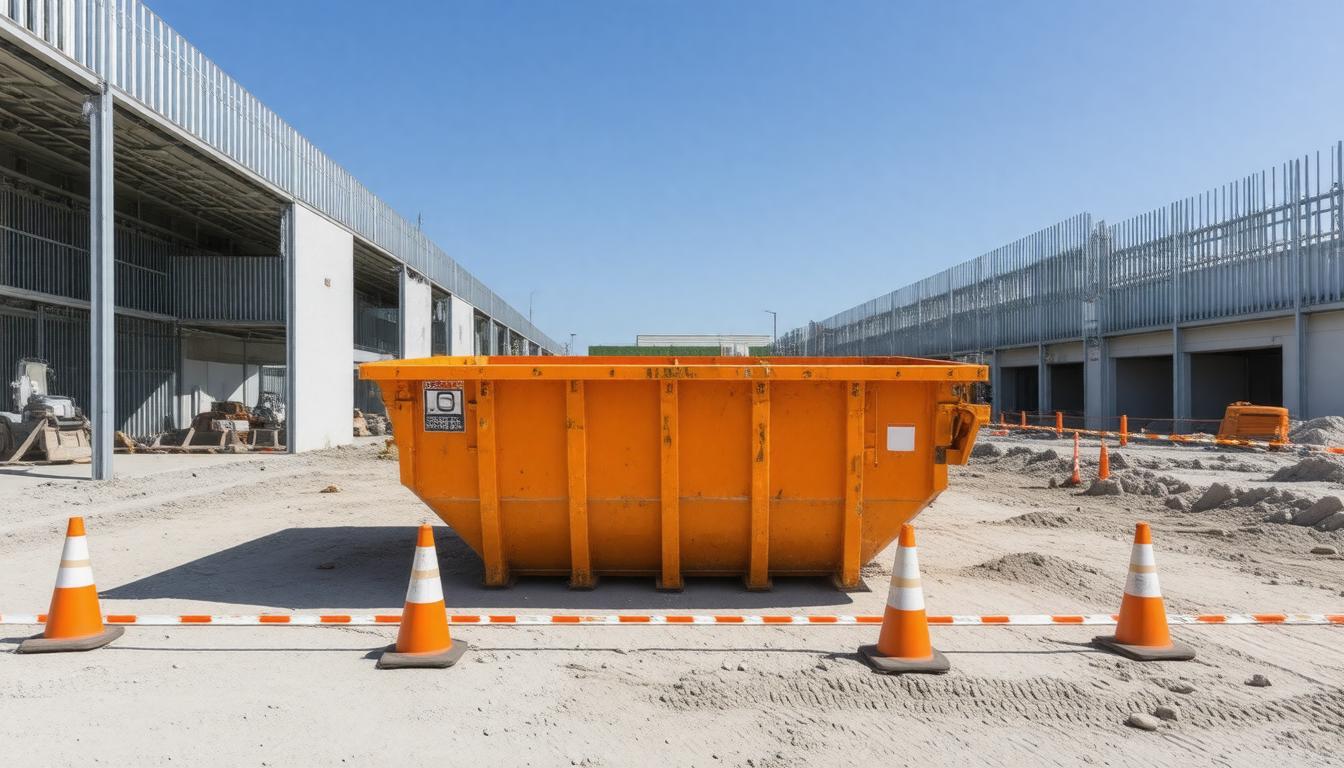
A construction dumpster is a large, durable container designed to handle heavy debris commonly generated from construction, renovation, or demolition projects. You can rent construction dumpsters in various sizes from Tiger Sanitation, with flexible delivery and pickup options tailored to your project needs across South Central Texas.
Renting Construction Dumpsters
The first step in renting a construction dumpster is to find a reliable waste management service with experience in handling construction debris. Local companies like Tiger Sanitation, which has served South Central Texas since 2002, specialize in this and offer flexible rental options tailored to different construction timelines. Their long-standing presence means they understand the nuances of various projects—from small home renovations to large-scale commercial builds—and provide personalized service to match.
Once you’ve identified your rental provider, it’s crucial to communicate clearly about the type of waste you’ll be disposing of. Construction sites often generate mixed debris: wood scraps, drywall, concrete, metals, and sometimes even hazardous materials like paint or solvents. Highlighting these special items upfront is important because many companies have regulations restricting hazardous waste, requiring special permits or alternative disposal methods. Being transparent from the start helps avoid surprises or delays during the rental process.
Preparing your site before dumpster delivery is another key point people often overlook. You need to make sure there is enough space for the dumpster on a level surface—whether it’s your driveway, a cleared patch of yard, or a paved area at the construction site. Inform the rental service of any restrictions such as overhead wires, tight access points, or permit requirements. This preparation ensures a smooth drop-off without damage to property or logistical hassles.
Flexibility during the rental period is also worth considering early on. Construction projects rarely follow perfect schedules; delays or unexpected progress may require you to extend the rental duration or arrange an earlier pickup. Communicating proactively with your service provider can help you avoid penalty fees for overstaying or inconvenience if the dumpster needs to be moved quickly. Many reputable companies like Tiger Sanitation provide easy customer portals and direct phone lines for such adjustments, keeping you in control without extra stress.
Pricing transparency should be top of mind too. While many construction dumpster rentals advertise flat weekly rates, additional charges often apply for overweight loads or banned materials left in the container. Ask about weight limits and any restrictions so you don’t get sticker shock when your bill arrives. Understanding these fine details helps you budget accurately and plan waste removal efficiently.
Finally, think about sustainability while renting. Many providers now offer recycling services alongside their dumpsters, sorting through concrete, metals, and wood to divert waste from landfills. Choosing a company with strong environmental policies not only benefits local communities but can also enhance your project’s green credentials—something clients and stakeholders increasingly appreciate.
After carefully navigating these rental steps, you’re ready to choose the dumpster capacity that aligns best with your project’s size and needs—this choice will influence both the convenience and cost-effectiveness of your waste management strategy.
Selecting the Right Dumpster Capacity
When it comes to choosing a dumpster, the key is balance. You want enough space to handle all your waste comfortably without paying for more than you actually need. It’s like packing a suitcase — cram too much in, and it won’t close; bring too little, and you might find yourself buying another bag last minute.
The most common sizes range from 10 to 40 cubic yards, each designed for different project scopes. For example, a small basement remodel might only need a 10-yard container that holds roughly 50 to 70 bags of trash. Meanwhile, larger construction sites or commercial projects often require dumpsters upwards of 30 or even 40 yards to accommodate tons of debris without constant pickups.
But the choice isn’t just about volume; weight matters tremendously. Heavy materials such as concrete, brick, or soil can fill up a dumpster’s weight capacity long before its volume limit is reached. This means if your project involves such dense debris, opting for a smaller dumpster won’t save money—in fact, you could face overweight fees that quickly add up. Keep in mind that typical weight limits for roll-off dumpsters hover between 2 and 4 tons depending on local regulations and provider policies.
To make an informed decision, start by estimating both the type and amount of waste you expect. It can be helpful to break down your debris into categories: heavy (concrete, bricks), bulky (wood, furniture), or light (drywall scraps, general trash). From there, compare your estimate against dumpster sizes and their limits.
Another practical tip is to consult with your waste management provider upfront—like Tiger Sanitation here in South Central Texas. Their experienced team can assist in selecting the right container tailored to your specific project needs and advise on any special considerations based on local disposal rules.
Finally, remember that rental terms usually include flexible pickup schedules. If in doubt about size, renting a slightly larger container with options to switch sizes or schedule additional pickups is often more efficient than risking an undersized dumpster mid-project.
Understanding how to choose the appropriate dumpster capacity naturally leads into examining how these decisions influence the overall cost structure of your rental experience.
Cost Considerations for Rentals
When budgeting for a construction dumpster rental, it’s important to recognize that the price you see upfront often includes only a portion of the full cost. The base rental fee typically covers the delivery and pickup of the dumpster, as well as the agreed-upon rental period—often around seven days.
This fee essentially secures the container on-site for your project and guarantees that the waste removal company will handle transportation logistics. However, this is just the starting point.
Beyond this base fee, there are additional charges that can significantly impact your total expense. Most commonly, dumpsters come with a weight limit, usually set around 2 to 3 tons depending on the size and provider.
Should your waste exceed this limit, expect extra fees charged per ton or by fraction thereof. These overweight penalties help companies cover the increased costs they face when hauling heavier loads—costs which can escalate quickly if not managed carefully.
Another frequent cost factor involves rental duration extensions. If your project runs longer than expected or debris removal takes more time, adding extra days to keep the dumpster on site will add daily fees.
Planning your project timeline with some buffer room can help avoid these unexpected extensions, but sometimes delays are unavoidable.
To give context, nationwide averages show that renting a typical 20-yard dumpster can range between $300 to $500 for the initial rental period. Yet, once you add weight overages, extra rental days, and any special handling fees (for hazardous or bulky materials), this number can push higher without careful consideration.
A proactive way to minimize surprises is straightforward: before signing any agreement, always ask your waste service provider, like Tiger Sanitation of South Central Texas, explicitly about potential hidden charges or common pitfalls other customers encounter.
Knowing whether your provider charges for things like fuel surcharges, environmental fees, or material restrictions keeps budgeting transparent and manageable.
Also consider whether you’ll need assistance like loading heavy items or if your waste requires special disposal steps—for example, recycling metals or disposing of construction debris containing regulated substances.
Some companies may offer tailored services at an extra cost but might save money in fines or landfill fees in the long run.
When choosing your dumpster rental provider, such as Tiger Sanitation which has served South Central Texas since 2002 with reliable pricing and no-hidden-fee commitments, understanding these cost layers empowers you to make informed decisions while keeping projects on track financially.
With financial clarity established, the next crucial piece is identifying which materials your dumpster can accept. Knowing this helps prevent costly violations and streamlines cleanup efforts during renovations or constructions.
Types of Construction Debris
Construction projects generate a surprisingly diverse mix of waste, and knowing exactly what can be safely and legally thrown into a dumpster is essential. Dumpsters cater to many types of materials commonly left over from demolition, remodeling, or new builds. These include concrete chunks and asphalt pieces—both heavy, dense materials that require sturdy containers—and wood scraps from framing or flooring that vary in size and treatment. Metal debris from pipes, fixtures, and siding also finds its way into dumpsters, as do drywall remnants that often accumulate from wall teardown or repair work. Additionally, tile shards and ceramic bits from bathroom or kitchen renovations are typical contents. Each material has its own disposal considerations; for example, heavier items like concrete need bins with reinforced floors to avoid damage.
At the same time, safety regulations play a critical role in what’s allowed. Hazardous substances such as asbestos-containing materials demand specialized handling due to health risks. Similarly, paint cans—especially oil-based types—batteries, and chemical solvents can’t be tossed in standard dumpsters because they pose environmental dangers during disposal. Engaging with your rental provider early to flag these exceptions not only keeps your project compliant but prevents costly fines or service interruptions.
It pays off to sort your debris before loading the dumpster—segregating recyclable metals or untreated wood can sometimes reduce costs or support sustainability goals if your provider offers recycling options. Conversely, mixing prohibited items with regular construction waste complicates disposal and could lead to surcharges.
Here is a clearer breakdown:
- Allowable Debris: Concrete/asphalt, wood/lumber (treated and untreated depending on local rules), metal scraps, drywall/damaged sheetrock, ceramic tiles.
- Non-Allowable Materials: Asbestos-containing materials, liquids like paint or chemicals, batteries, compressed gas tanks, electronic waste.
Knowing these categories upfront helps in planning space requirements too because some materials pack down more densely while others leave gaps. When renting a dumpster from companies like Tiger Sanitation serving South Central Texas since 2002, specifying your debris type ensures you get the right container size and prevents surprises at pickup time.
Once you’ve grasped the nature of your debris, considering how much physical space you have available for the dumpster will keep the project running smoothly without logistical hiccups.
Space Requirements for Dumpsters
Positioning a dumpster isn’t just about finding an empty spot—it’s about ensuring enough space for safe delivery, pickup, and daily access during your project. If you don’t prepare thoughtfully, you risk blocking driveways, obstructing pedestrian pathways, or worse, making it impossible for the delivery truck to get close enough without causing damage.
A common mistake is underestimating the clearance needed around the dumpster itself; remember, trucks need room not only to drop off and pick up but also to maneuver safely.
For example, a standard 20-yard dumpster—which often suits mid-sized renovations or cleanouts—typically demands at least 22 feet of length and an 8-foot width clear area. This includes wiggle room around for backing up and lifting the container onto the truck bed.
The surface must be level and solid, like concrete or firm gravel, to support the heavy weight without sinking or tipping. Uneven ground can cause instability that not only endangers the truck operator but risks damage to your property and surroundings.
Before booking your dumpster with Tiger Sanitation or any other provider, take careful measurements of your intended placement area. Use a tape measure or even mark boundaries with chalk or stakes outdoors so you visualize the footprint clearly.
Don’t forget to factor in any overhead obstacles such as tree branches, wires, or awnings that might prevent the delivery truck from safely positioning the container.
Think of it like parking a large RV—not just length and width matter but also height clearance and ease of entrance and exit. Preparing well ahead saves you headaches on delivery day and prevents unexpected extra fees caused by difficult placements or re-deliveries.
While space is critical, your project type—residential or commercial—further shapes how large your dumpster needs to be and where exactly it should go, so let’s explore how those differences impact your space planning next.
Residential vs. Commercial Options
Residential and commercial projects come with very different waste management challenges, which means selecting the appropriate dumpster service takes some thought beyond just volume. For residential jobs like home remodels, yard cleanouts, or minor renovations, the waste volume tends to be more moderate and less varied in type.
In these cases, dumpsters sized between 10 and 20 cubic yards typically provide enough capacity without overwhelming space constraints common in neighborhoods.
Smaller dumpsters fit better into driveways or side yards, making them convenient for homeowners who want to keep disruptions minimal and maintain curb appeal during their project. Moreover, residential dumpsters generally handle lighter debris such as household trash, wood scraps, drywall pieces, or green waste.
Understanding these nuances lets you avoid overpaying for unused space or renting a container too large for tight residential areas.
On the other hand, commercial projects require a more robust and flexible approach to waste needs. These sites often involve office renovations, retail build-outs, or even demolition efforts—projects that produce massive quantities of heavier materials like concrete chunks, bricks, metals, and packaging waste.
Dumpsters ranging from 30 to 40 cubic yards are more suitable here because they reduce the frequency of pickups, save time, and help maintain smooth workflows on busy job sites.
Cost efficiency also factors heavily into commercial dumpster rentals — fewer pickups translate into lower labor and transport costs. Plus, larger dumpsters can be strategically placed to serve multiple contractors or sections of a site simultaneously. This scalability ensures that operational demands don’t get bottlenecked by limited waste disposal options.
One critical aspect is that commercial customers often benefit from additional services such as recycling programs or segregated containers tailored to specific kinds of debris—features less commonly requested in residential settings but invaluable for meeting sustainability goals and compliance regulations.
Assessing the scale and scope of your project honestly helps determine which option fits best. Whether it’s a compact container for a backyard landscaping overhaul or a heavy-duty roll-off bin managing timber and metal scraps across a commercial development, choosing wisely safeguards both your budget and schedule.
“Tiger Sanitation made it simple to choose the right dumpster for our office overhaul—we appreciated how they tailored recommendations based on our unique waste mix and timeline.” — Commercial Contractor
Tailored services like these highlight Tiger Sanitation’s commitment to meeting diverse customer needs across South Central Texas. To explore sizes, pricing, and service options that fit your unique situation precisely, visit us at choosetiger.com and experience trusted expertise backed by two decades of local service.
Selecting the right dumpster size and service plan is essential for efficient project completion while controlling costs. Partnering with an experienced provider like Tiger Sanitation ensures your waste management needs are met with professionalism and local insight every step of the way.