

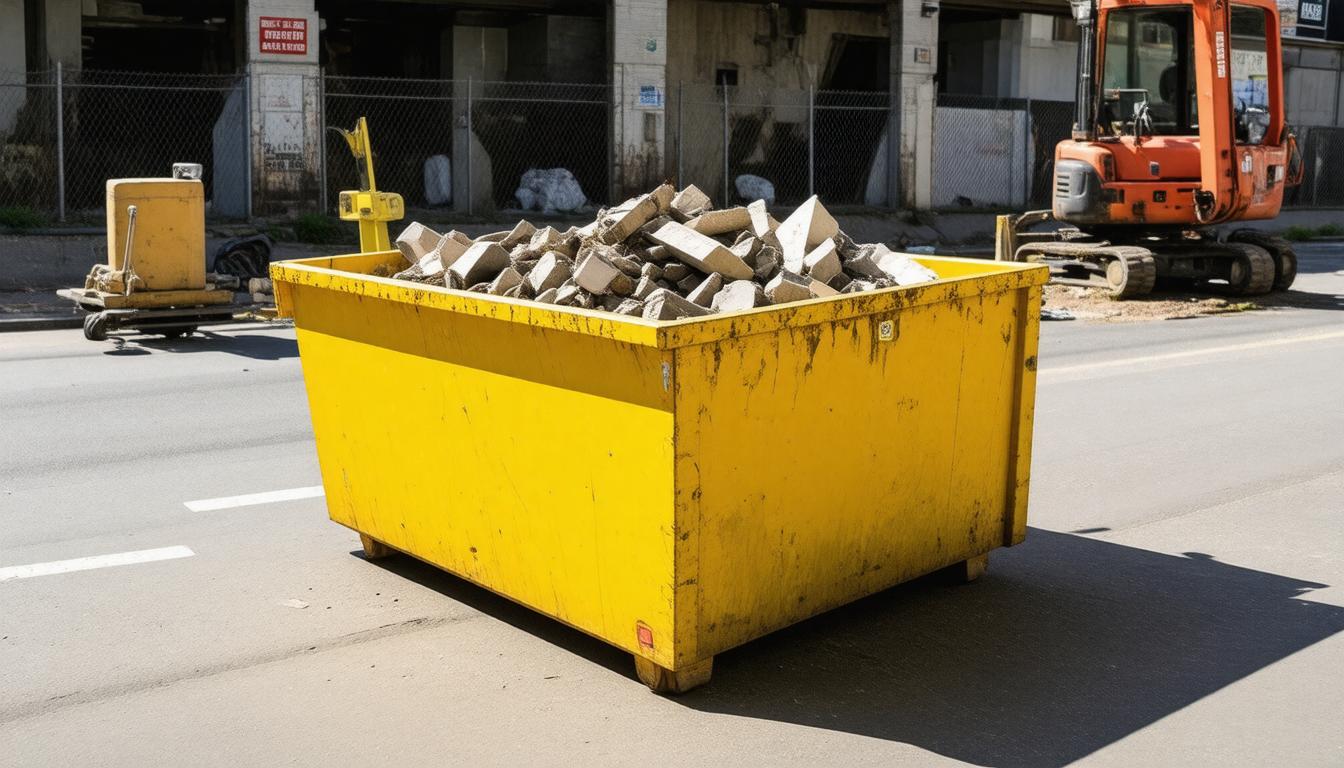
When starting a construction or renovation project, one of the most important details you’ll face is waste management. You might think, “How hard can it be to throw out debris?” But as many DIYers and contractors quickly find out, without the right tools, like a dumpster, your plans can quickly devolve into chaos. From managing bulky materials to ensuring proper disposal, having a reliable construction dumpster at your side can make all the difference. In this article, we’ll explore the ins and outs of renting a construction dumpster—covering everything from size options to cost considerations—so you’ll be fully equipped to take on any project with confidence.
A construction dumpster is a large waste container specifically designed for handling debris from construction, renovation, or demolition projects. To rent one, you can contact a local waste management service like Tiger Sanitation, where you’ll find various sizes available (such as 10YD, 20YD, or 30YD) to suit your project’s needs, along with flexible rental terms.
Renting a Construction Dumpster
The first step in the rental process involves evaluating your project’s specific needs. How large is the renovation? Are you clearing out your garage, or is it a full-scale commercial build? Every project has its own unique waste production level, which directly impacts the type and size of dumpster you’ll require.
For instance, if you’re tackling a small kitchen remodel, a 10-yard dumpster will likely suffice. However, for larger projects such as complete home renovations or construction sites, you might need to consider something much more substantial—possibly 30 yards or even larger.
By accurately assessing your project scope in advance, you save time and money by avoiding last-minute adjustments and by selecting the right dumpster that can handle the waste generated.
Once you’ve identified the appropriate size for your dumpster, it’s time to dive into the required permits.
Step II – Gather Required Permits
In many cases, you will need to check local regulations on whether a permit is necessary to place a dumpster on public property. Municipalities often have strict guidelines about where containers can be located, especially if they’re going to disrupt traffic or pedestrian access.
To avoid any potential fines or logistical issues, reach out to your city hall or explore municipal resources online to clarify if permits are required for your rental. This little bit of research ensures that you comply with local laws while also preventing unforeseen delays in your project timeline.
Navigating these requirements can be daunting but believe me when I say early preparation pays off. Even a simple call to your local authorities can clarify things tremendously and enhance the efficiency of your overall project.
Once you’ve secured the proper permits and chosen your ideal dumpster size, you’re ready for the next step in this seamless rental process.
Step III – Choose Your Rental Period
The rental period is another critical factor to keep in mind. How long will it take you to fill up the dumpster? Understanding this aspect will help you negotiate terms effectively with your rental service provider.
Most companies will offer flexible options, ranging from short-term rentals for quick cleanouts to longer plans suited for extensive renovations or projects that may require ongoing debris removal over several weeks.
Flexibility is key here! If you suspect your project may extend beyond initial estimates, consider choosing a service that allows for easy extensions or changes. This way, additional stress can be avoided without needing last-minute arrangements. Additionally, many providers like Tiger Sanitation offer clear guidelines and easy adjustments on their rental agreements based on dynamic project needs.
With all this preparation in place, you can now focus on coordinating delivery and pick-up logistics. This ensures everything flows seamlessly from start to finish while keeping your project on track.
Types and Sizes of Dumpsters
Construction dumpsters come in a variety of types tailored to suit different renovation or construction needs. The most prevalent type is the roll-off dumpster. These are specifically designed for ease of transport; they feature an open-top that allows for easy loading and unloading. Roll-off dumpsters can be placed close to the worksite, making them incredibly convenient for contractors and DIY homeowners alike. You’ll often see these large bins on job sites, as they hold a significant volume of debris while still being manageable for removal by specialized trucks.
In contrast, front-load dumpsters are commonly used in ongoing commercial projects, typically for regular waste disposal rather than construction site clean-up. These bins are more compact and can be emptied more frequently, which makes them ideal for businesses that generate consistent waste.
Now that we’ve discussed the types of dumpsters available, let’s shift our focus to their sizes—something that’s equally important when planning your project.
Size Guide
Dumpster sizes are generally measured in cubic yards—a measurement that helps you gauge how much debris each dumpster can hold. Understanding this sizing system can save you from overpaying or causing delays due to insufficient capacity.
- A 10-yard dumpster is perfect for small projects, such as cleaning out an attic or handling minor renovations. It’s not overwhelming in size but provides enough space for lighter materials, making it user-friendly.
- For small to medium projects, the 20-yard dumpster fits the bill nicely. This size is suitable for tasks like deck removals or medium garage cleanouts. It strikes a balance between adequate size and manageability.
- When it comes to larger undertakings like constructing a new home or substantial remodeling projects, a 30-yard dumpster becomes the go-to option. Its capacity allows it to accommodate the considerable debris generated by more extensive jobs.
- Lastly, if you’re involved in major renovations or construction projects producing significant amounts of waste, a 40-yard dumpster is your best bet. With its expansive space, it can handle everything from commercial roofing debris to large quantities of household waste during an extensive renovation.
Selecting the right dumpster size not only affects efficiency but can also greatly impact your overall costs; a dumpster that’s too small will require additional trips and ultimately increase your expenses. At Tiger Sanitation, we provide flexible options tailored to meet specific project requirements, ensuring you have the right tool for the job without paying for unnecessary excess capacity.
With clarity on types and sizes of dumpsters in mind, you’re well-prepared to navigate the selection process and align it with your project needs while keeping budget considerations front and center.
Costs and Rental Terms
When planning a construction project, it’s essential to understand the costs associated with dumpster rentals, along with the terms that come with them. Knowing these figures in advance aids in budgeting and helps avoid any surprise fees that could arise during the process. Much like selecting a paint color or flooring for your new space, being informed about your options can lead to a smoother experience overall.
Factors Influencing Costs
- Location: The area where the dumpster is rented significantly affects pricing. Urban regions often face higher costs due to increased demand, tighter regulations, and limited space for placement.
- Duration: The length of time you require the dumpster impacts the total cost; longer rentals generally result in a higher fee. Some companies charge daily while others provide weekly rates, and extending a rental period without prior notice might incur overage fees.
- Type of Waste: Certain materials can incur extra charges. For example, hazardous waste requires special handling and disposal methods that complicate logistics compared to standard construction debris like wood or roofing shingles.
Now that we’ve established the factors influencing costs, let’s dive into the details of rental terms.
Rental Terms
Typical rental durations for dumpsters range from one week to a month. However, many companies recognize that projects don’t always fit neatly within a predetermined time frame. Therefore, they may offer flexible terms for those who need additional time. If you’re uncertain about how long your project will take or expect delays, it’s wise to discuss potential extensions upfront. Open communication can prevent unexpected costs arising from late returns or excess use of the dumpster.
It’s also helpful to ask about specific policies regarding weight limits or types of acceptable waste, especially if you plan to dispose of varied materials. Understanding these parameters can save you headaches later on!
As we move forward, exploring sustainable strategies can further enhance the efficiency of your project while contributing positively to environmental efforts.
Waste Management Practices
Sustainable waste management practices not only reduce our environmental footprint, but they also foster a more efficient use of resources. A well-organized approach to managing waste can transform your construction site from a potential hazard into a model of responsibility.
Segregation of Waste
First and foremost, the segregation of waste cannot be overstated. By carefully separating recyclable materials—such as metals, wood, and concrete—from general waste, you significantly decrease what ultimately ends up in landfills. Implementing a clear segregation system leads to smoother operations and less confusion down the line when it comes time to dispose of these items. The Environmental Protection Agency (EPA) reports that recycling construction materials has the potential to reduce landfill waste by as much as 75%. Just imagine how much space we could free up if we all committed to this practice!
Moreover, segregating waste makes it easier for your team to track what materials are available for recycling or repurposing, promoting efficiency on your job site.
Once you’ve committed to effective segregation, the next step requires ensuring that materials are disposed of properly.
Proper Disposal Methods
This is especially critical when dealing with hazardous materials such as asbestos or paint. Following local laws for the disposal of such items is non-negotiable: failing to do so can lead to significant penalties and health risks. Adherence to these regulations protects workers and helps maintain community trust in our industry.
To ensure maximum material recovery and minimize environmental impact, consider partnering with specialized recycling facilities that accept construction waste. They know how to expertly handle various types of materials and can help divert tons of waste from landfills that would otherwise contribute to pollution. Partnering with these facilities enhances your sustainability efforts and instills confidence among clients who value eco-friendly practices.
Adopting these sustainable practices maximizes your project’s efficiency while positioning you as a responsible player in the construction industry—one who cares about both people and the planet. By focusing on effective segregation and proper disposal methods, you contribute meaningfully to a cleaner environment while ensuring that your projects run smoothly.
As you think about incorporating these sustainable practices, understanding how to choose the right project solutions will further boost your efficiency and effectiveness. This knowledge will equip you for decision-making that aligns perfectly with your goals.
Tips for Selecting the Right Dumpster
Choosing the right dumpster is not merely a matter of picking one that looks good. It requires thoughtful consideration of project requirements, your budget, and the type of waste you’ll be handling. The goal is to ensure you get a dumpster that is not too big to waste money on and not so small that it forces you to make additional arrangements. Think of this as choosing the right tool for the job—having the correct size can prevent headaches down the road.
Step-by-Step Guide
Step I – Estimate Your Waste
Start by assessing what kind of waste your project will generate. This could range from construction debris like wood and metal to household items such as furniture or appliances. Utilizing online waste calculators can provide a good estimate of how much waste your project may produce. If you’re collaborating with a contractor, their expertise can help illuminate potential oversights in your calculations. It’s crucial to remember: avoiding underestimation means avoiding costly delays when your dumpster arrives and it’s just not big enough.
For instance, imagine planning for a home renovation project with high hopes of decluttering, only to find out halfway through that you’ve run out of space in your dumpster. This could lead to added costs or even worse—a chaotic workspace.
Step II – Research Providers
Once you have a rough idea of your waste volume, take time to research multiple dumpster rental providers. A little detective work goes a long way here; read reviews, compare prices, and understand the services offered by each vendor. Are they known for punctual deliveries? What about their recycling policies? An eco-friendly provider like Tiger Sanitation may offer advantageous solutions not just in service but also in sustainability practices.
As you explore your options, it’s good practice to create a simple pros-and-cons list for potential services. This allows you to visualize which company aligns best with both your needs and values.
Step III – Understand the Terms
Before signing anything, make sure you thoroughly read through the rental agreement. Understand all aspects—fees, rental periods, and penalties—so there are no unexpected charges waiting for you at checkout. Terms might vary significantly among providers; some may charge extra for overloading while others might have strict return timelines. By being well-versed in these terms, you empower yourself against future inconveniences.
Think of reading through the terms as checking a recipe before cooking: ensuring you have everything right from the beginning avoids disaster later on!
With these insights at your disposal, you’re now ready to investigate various suppliers and find the one that suits your project needs perfectly. From understanding fee structures to assessing service quality, these considerations are crucial for making an informed choice.
Comparing Rental Providers

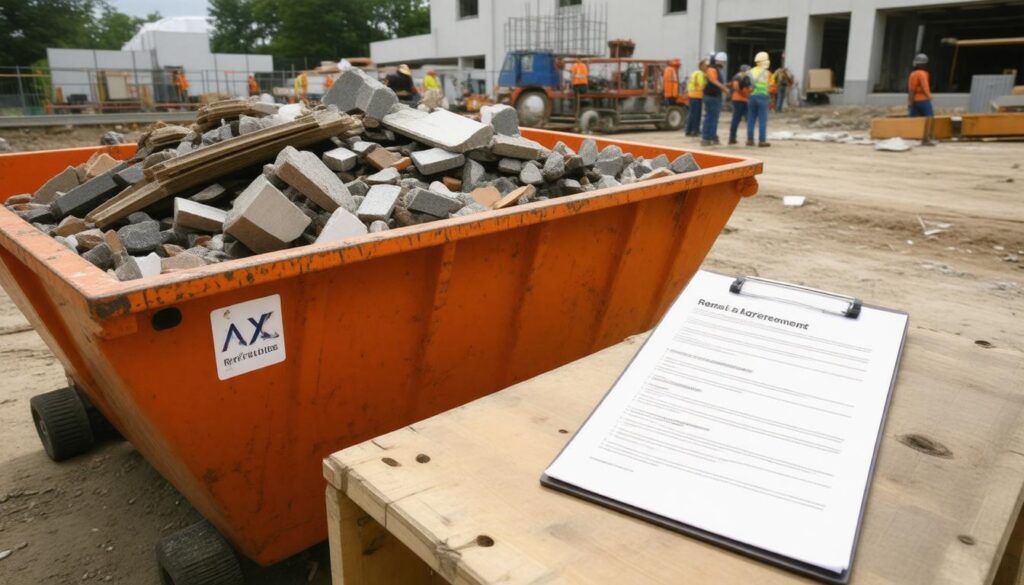
A comprehensive comparison helps in finding a provider that is both cost-effective and reliable. This means more than just taking a quick glance at prices; it involves digging deeper into what each provider offers. Consider it like shopping for groceries where you want the best ingredients without breaking the bank.
One of the first things to look at is price. While it’s tempting to go for the lowest upfront rate, account for any additional fees that might sneak in—like delivery charges or costs for extra days. Always request clarification on these additional costs because even a small surcharge can quickly add up and affect your budget.
After price, customer experiences reveal a lot about potential providers.
There’s also customer reviews. Checking online testimonials can provide invaluable insights into customer satisfaction and service reliability. Think of reading reviews as asking friends for their recommendations; it helps gauge if others have had positive experiences or if certain red flags pop up consistently. Pay attention to how they handle issues as well, because every company will face problems occasionally.
It’s not just about price and reviews; you also need to analyze the services provided.
Evaluate services offered by each provider. Are they equipped with waste segregation services that help in recycling? Do they offer assistance with permits? Just like a good toolbox is vital for doing repairs at home, having the right tools and support from your dumpster rental company can save you time and hassle down the line. Flexibility in rental terms is another plus; businesses often have changing needs, so a company that allows adjustments can be a lifesaver.
| Provider | Price Range | Special Services | Customer Rating |
|---|---|---|---|
| Provider A | $200-$400 | Permit Assistance, Recycling | 4.5/5 |
| Provider B | $250-$450 | No Special Services | 4.0/5 |
| Provider C | $220-$420 | Flexible Terms, Recycling | 4.7/5 |
With all this information in hand, you’ll have a clearer picture of which provider best fits your project needs.
Choosing the right provider depends on specific needs—what works for one project might not be suitable for another—but thorough comparisons ensure value for money while meeting your requirements efficiently. Investing time upfront to assess options can prevent headaches later on, allowing you to focus on completing your project successfully!
In summary, understanding prices, evaluating services, and checking reviews are key steps in making an informed choice that leads to a seamless dumpster rental experience.