

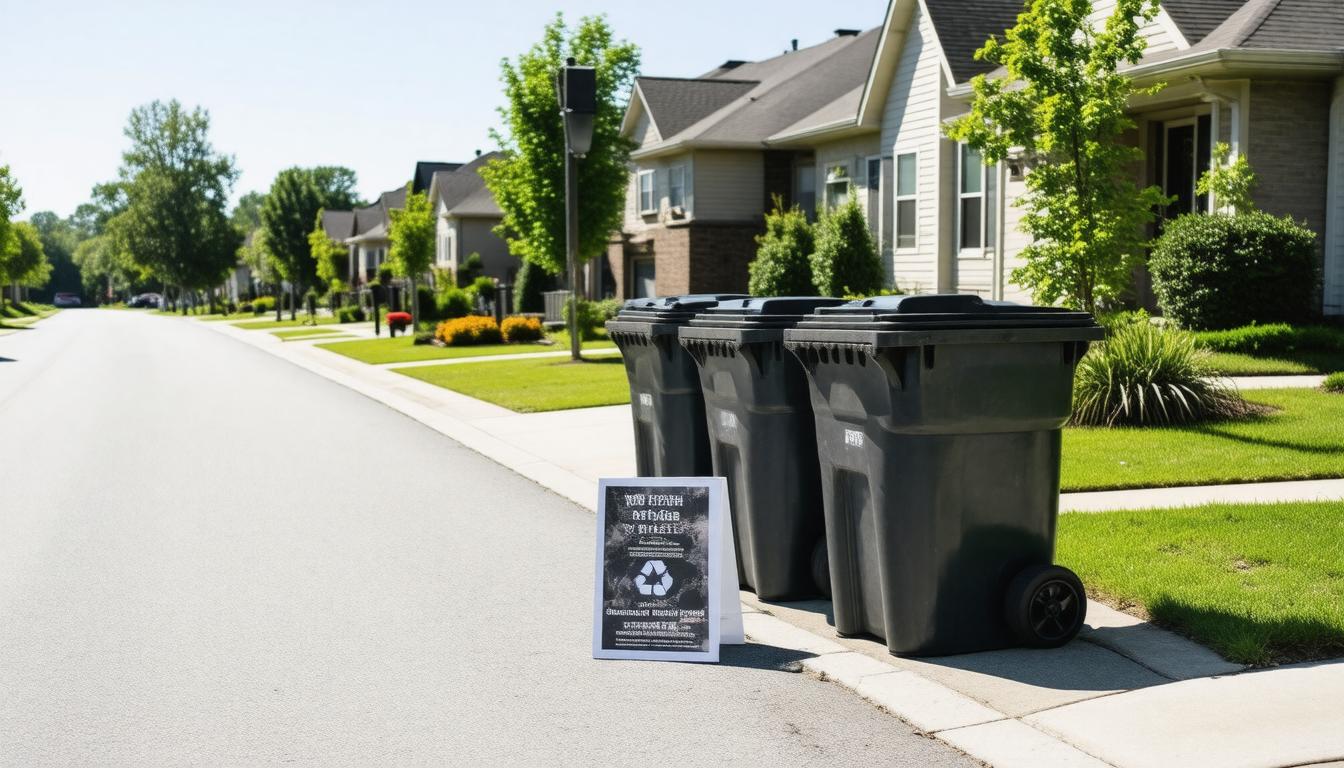
Managing household trash might not be the most exciting topic, but finding affordable and reliable pickup options can make a big difference in your daily routine. If you’ve ever missed a collection day or struggled with too much waste piling up, you know how frustrating it can be. That’s why it’s worth knowing what local services like Tiger Sanitation offer to keep things simple and stress-free—so you spend less time worrying about garbage and more time enjoying your home.
Tiger Sanitation offers scheduled curbside residential trash collection using 95-gallon carts with the option to add additional carts as needed. Customers also have access to recycling services and large item pickups, supported by convenient online account management and reliable community-focused service throughout South Central Texas.
Available Residential Trash Services
Scheduled curbside pickup remains the backbone of most residential waste management plans. This straightforward service involves placing your 95-gallon waste cart at the curb on a scheduled day each week. What makes it so popular is its predictability and ease; you don’t have to think twice about when to dispose of daily household trash. In South Central Texas, companies like Tiger Sanitation streamline this by coordinating convenient weekly pickups that handle typical household volumes without fuss, often allowing up to two carts per household if needed. This standardization not only helps manage waste effectively but also keeps neighborhoods tidy and compliant with local regulations.
Beyond everyday trash, households often accumulate bulky items that don’t fit into those familiar green or blue bins.
That’s where bulk item removal services become valuable. They cater to the occasional need to dispose of furniture, old appliances, or large yard equipment safely and responsibly. Providers usually accommodate such pick-ups monthly or by request, and although an additional fee may apply, it’s a small price for convenience and peace of mind. For example, Tiger Sanitation offers scheduled bulk pickups with clear pricing structures so you know exactly what to expect without surprise charges.
While managing general trash is essential, environmental responsibility has rightfully become an integral part of residential waste services today.
Recycling programs offered by providers now frequently include curbside collection of paper, plastics, metals, and glass. These services encourage households to separate recyclables properly—sometimes requiring sorting into designated bins—but they significantly reduce landfill waste and conserve resources. Embracing these programs can seem daunting at first, but many companies provide clear instructions and support, helping make recycling a natural part of your routine.
Seasonal changes bring their own unique waste challenges that typical trash services might not cover.
Yard waste collection addresses these concerns by offering specialized pickups for organic debris like leaves, branches, and grass clippings. Usually collected in biodegradable bags or dedicated green bins, this service prevents organic matter from clogging regular trash streams or ending up improperly disposed of—thus supporting local composting efforts or environmentally safe landfills. This kind of attention to detail demonstrates how tailored waste services adapt to your lifestyle while promoting sustainability throughout the year.
Waste management doesn’t stop at just garbage and yard debris—it extends into managing potentially dangerous items as well.
Specialty collection days provide opportunities to discard electronics or hazardous materials like batteries and paint safely. Such items require careful handling to avoid environmental contamination or harm to sanitation workers. Providers like Tiger Sanitation organize these collections either on specific dates or by appointment, making it possible for homeowners to tackle these tricky disposals without hassle.
Service Summary Table
| Service Type | Frequency | Special Features |
|---|---|---|
| Scheduled Curbside Pickup | Weekly | Includes 95-gallon bin |
| Bulk Item Removal | Monthly/Request | Fee may apply |
| Recycling Services | Weekly/Bi-weekly | Requires sorting; supports eco-friendly disposal |
| Yard Waste Collection | Seasonal/Weekly | Biodegradable bags; green bin use |
| Specialty Collections | Special Days | Electronics; hazardous waste disposal |
Having a clear understanding of available residential trash services helps you choose the right options that fit your household’s rhythm while keeping your environment clean and sustainable. Companies like Tiger Sanitation focus on blending affordability with reliability across all these offerings—ensuring South Central Texas residents can depend on timely pickups and responsible waste handling every time.
With these convenient and varied residential options in place, it’s important next to look at how different types of waste require specific disposal methods—ranging from everyday curbside pickups to more specialized recycling and hazardous waste processes.
Types of Waste Disposal: Curbside, Recycling, Hazardous
When it comes to managing household waste effectively, understanding the categories into which your trash falls makes all the difference.
Curbside waste is the most familiar type—it includes everyday garbage like food leftovers, packaging materials, and other items that can’t be recycled. The key to efficient curbside pickup isn’t just tossing everything out randomly; it involves correctly bagging your trash and using standardized 95-gallon carts provided by services like Tiger Sanitation. These carts streamline collection while keeping odors contained and pests away.
Taking care to securely tie your bags and avoid overfilling prevents messes during pickup and helps maintain neighborhood cleanliness.
Once you’ve mastered routine trash disposal, the next step is handling materials that don’t just disappear in landfills—items that can find new life through recycling.
Recycling is more than just tossing paper or bottles in a separate bin; it’s a seamless cycle where used materials become raw inputs for new products.
Providers typically supply dedicated bins or carts for recyclables such as paper, cardboard, plastics, metals, and glass. However, the success of recycling depends heavily on the condition of these items before they enter the system. Scrubbing off food residue or rinsing plastics prevents contamination that can spoil entire batches of recyclable goods.
For example, rinsing out a plastic jug with leftover juice may seem trivial but prevents collections from being rejected at sorting facilities due to contamination.
Additionally, placing only accepted materials in your recycling bin—avoiding items like plastic bags or greasy pizza boxes—is vital for keeping the process smooth.
While curbside waste and recyclables make up most daily discardables, another category demands special attention for both health and environmental reasons.
Hazardous waste refers to substances posing risks if handled like regular trash. These include paints, paint thinners, batteries, electronic devices, pesticides, cleaning chemicals, and fluorescent bulbs.
Improper disposal can lead to environmental damage and public safety hazards such as soil contamination or water pollution. Unlike everyday trash, hazardous waste requires careful collection often coordinated by local municipalities or specialized providers like Tiger Sanitation who offer appointment-based pickups.
These programs ensure safe processing—neutralizing chemicals or extracting valuable components—without exposing sanitation workers or residents to harm.
Hazardous Waste Examples
- Paint and paint thinners
- Batteries
- Electronic devices
- Cleaning chemicals
- Pesticides
- Fluorescent bulbs
Recognizing where your waste fits—from common curbside garbage to recyclables and hazardous materials—not only promotes sustainability but protects family wellbeing and community health. Experienced providers ensure each type is handled properly: reliable curbside pickups keep homes tidy; recycling options reduce landfill burden; and safe hazardous waste disposal averts hidden dangers around us.
Understanding these waste categories sets the stage for choosing service providers that balance affordability with reliability—ensuring your waste management needs are met effectively without breaking the bank. This leads naturally into how to select an affordable trash service provider suited for your community.
Choosing an Affordable Trash Service Provider
Selecting a trash service shouldn’t feel like navigating a maze blindfolded. The first key is to determine your needs precisely. Consider how much waste your household generates weekly—this can vary widely depending on family size, lifestyle, and recycling habits.
For example, a large family with frequent packaging and garden waste will likely require more or larger bins than a single occupant. Matching your service level to your actual needs means you won’t pay for unnecessary capacity, which can add up over time if left unchecked.
Next comes comparing prices among local providers. This isn’t just about finding the lowest sticker price; it’s about assessing what you get for that price. Many companies, such as Tiger Sanitation, offer bundled services including curbside trash, recycling pickups, and even large item collections—all potentially wrapped into one affordable package.
When you call around, request detailed quotes covering these services so you can compare apples to apples. Sometimes paying a bit more for convenience and reliability is smarter than chasing the cheapest option with unreliable pickups or hidden fees.
Another smart move is diving into online reviews and ratings from current or past customers. Platforms like Yelp or Google Reviews reveal insights beyond polished advertisements: punctuality of pickup, customer service responsiveness, and how providers handle billing issues.
These firsthand accounts help paint a fuller picture of reliability—after all, affordability means little if the service leaves you stranded with uncollected trash.
It’s also crucial to scrutinize contract terms carefully before committing. Some providers lock customers into lengthy agreements with steep cancellation penalties, which might be fine if you’re confident in their service but risky if doubts linger.
An ideal arrangement balances commitment with flexibility—allowing adjustments as your household needs evolve over time.
Lastly, don’t overlook promotions or discounts offered by waste management companies. Tiger Sanitation, with its emphasis on community care and dependable service through South Central Texas, frequently has special offers for new clients or savings incentives tied to long-term sign-ups.
Asking about these deals can reduce your initial expenses and sweeten the value proposition.
Making thoughtful choices about your trash service provider not only safeguards your budget but also creates space to consider how your everyday habits impact the environment. From here, we explore ways to adopt greener practices that benefit both your home and the planet.
Eco-Friendly Trash Management Tips
Managing household waste in an eco-friendly way offers clear benefits—not only does it reduce pollution and conserve natural resources, it also supports cleaner, healthier neighborhoods where you live. One of the most effective starting points is to reduce how much waste you create in the first place. Choosing products with minimal packaging or buying in bulk can significantly shrink your trash pile. Imagine swapping out a dozen little plastic bags for a few sturdy cloth tote bags: that small change alone cuts hundreds of plastic bags from circulation every year.
Beyond reducing, actively reusing and repurposing items extends their life and delays entry into landfills. Old glass jars, for example, transform beautifully into storage solutions for nuts, screws, or craft supplies—turning what would be trash into practical treasures around the house. Similarly, worn-out clothes no longer fit for wearing become rags ideal for cleaning or gardening tasks. This kind of thinking shifts our relationship with “waste” from disposable to valuable resource.
Once you’ve reduced and reused what you can, recycling efficiently becomes the next critical step in responsible trash management. Learning what your local recycling program accepts—and how they prefer materials to be prepared—is essential. Sorting your plastics, metals, glass, and paper accurately ensures more of these materials actually get recycled rather than ending up in landfills due to contamination.
A handy tip is to always look for the recycling symbol on plastics—it’s a triangle usually located on the bottom or side—and note the number inside. Not all numbers are accepted locally; some communities take only #1 and #2 plastics while others accept a wider range. Checking this prevents you from inadvertently sending non-recyclables into the bin, which causes costly processing problems down the line.
Of course, one of the most powerful ways to manage organic waste sustainably is through composting. By turning food scraps and yard waste into rich soil amendments at home rather than tossing them away, you close the loop on nutrients and reduce methane emissions—one of the potent greenhouse gases released by rotting garbage in landfills.
Starting with a simple compost bin or pile in your backyard can be surprisingly straightforward. Fruit and vegetable scraps, coffee grounds, eggshells, leaves, and grass clippings all make excellent ingredients. The process breaks them down naturally into nutrient-rich compost that gardens and lawns thrive on—with no need for chemical fertilizers.
Taking these steps together—reduce, reuse, recycle correctly, and compost—creates an integrated approach to managing trash that benefits not just your household but your entire community and planet. It feels good knowing you’re helping cut down pollution, conserve energy (recycling aluminum cans saves 95% energy vs mining new), and foster healthy green spaces right outside your door.
For residents served by Tiger Sanitation in South Central Texas, incorporating these eco-friendly habits complements our company’s commitment to sustainable service options like curbside recycling pickup. Together with reliable trash collection services tailored to your needs—from residential carts to commercial dumpsters—you can confidently build a cleaner tomorrow by making small but mighty adjustments today.
Building upon these sustainable waste habits opens up further opportunities to minimize environmental impact right at home. Exploring ways to turn organic leftovers into valuable resources is a transformative next step toward greener living.
Composting for Residential Waste
Composting organic waste at home is an effective way to reduce the volume of trash headed to landfills while enriching your garden’s soil naturally. It’s not just about throwing food scraps outside—understanding how to compost properly ensures the process works well and remains odor-free and pest-resistant.
The first step is setting up a dedicated space, either a simple corner in your yard or a specialized compost bin designed to keep things tidy. You’ll want to gather two categories of materials: “green” waste like vegetable peels, coffee grounds, and grass clippings, as well as “brown” stuff such as dry leaves, shredded paper, or cardboard. Balancing these materials carefully is crucial because green items provide nitrogen and moisture, while brown materials supply carbon and create the right texture for airflow.
Once your compost pile is assembled, maintaining it becomes the key to success. Think of your compost like a living organism—it needs regular attention. Turning it frequently helps introduce oxygen, which speeds decomposition and prevents the buildup of foul smells from anaerobic bacteria. Consistency matters here; aim to turn your compost weekly or at least every couple of weeks depending on the size and contents.
Moisture level is equally important—it should feel like a damp sponge, neither bone dry nor soggy. If it dries out, decomposition slows dramatically; too wet, and you risk unpleasant odors or attracting unwanted pests.
The rewards of proper composting extend beyond reducing your trash load. The rich, earthy material you end up with can improve garden health significantly by adding nutrients and enhancing soil structure.
This not only reduces or even eliminates the need for chemical fertilizers but supports sustainable gardening practices by closing the nutrient loop on organic matter. Plus, when fewer organic wastes enter local landfills, methane emissions—a potent greenhouse gas—are reduced, making composting a win for both gardeners and the planet.
| Category | Examples |
|---|---|
| Green | Vegetable scraps, Coffee grounds, Grass clippings |
| Brown | Dry leaves, Cardboard, Shredded newspaper |
| Avoid | Meat scraps, Dairy products, Fats/oils, Pet waste |
Keeping clear what can and cannot go into your compost will save frustration later—meat and dairy often attract animals and create odors, while fats interfere with breakdown processes. Confidently loading your composter with the right mix ensures smooth cycling from kitchen leftovers to nutrient-rich humus that feeds new life in your garden beds.
Bringing your residential waste management full circle, composting complements curbside pickup by shrinking what you send out and nurturing something valuable in return—an opportunity worth embracing in any home conscious of its environmental footprint.
As we consider community-wide strategies next, understanding how individual households manage their trash lays groundwork for effective neighborhood collection systems.
For more detailed guidance on responsible waste handling or services tailored for South Central Texas residents and businesses alike, visit Tiger Sanitation at choosetiger.com.
Neighborhood Trash Management Solutions
Coordinating waste management across a community isn’t just about convenience—it creates real advantages in sustainability and efficiency. When neighbors come together to tackle trash, they pool resources and awareness, which often leads to better disposal habits and cleaner surroundings. This shared responsibility also reduces waste contamination and helps services run smoother.
One effective approach is organizing community collection drives focused on bulky items or hazardous waste. Such drives offer residents a straightforward way to dispose of things like old furniture, electronics, or paint that typical curbside pickups won’t handle. Regularly scheduled events not only keep streets clear of unsightly junk but also protect the environment by ensuring proper handling of potentially harmful materials. These drives foster a sense of collective ownership that benefits everyone.
Alongside these targeted events, embedding ongoing shared recycling programs into communal spaces transforms recycling from an occasional chore into a daily habit. Placing convenient, clearly labeled bins in parks or near apartment complexes lowers barriers to participation. When recycling is easy and visible, residents are more likely to do their part consistently, which amplifies diversion rates and supports local sustainability goals.
Education underpins all these efforts. Hosting workshops or distributing simple guides about recycling practices and the advantages of composting demystifies these processes for many people. Often, hesitation roots in uncertainty about what can be recycled or composted. By reinforcing these messages through community channels and face-to-face engagement, residents gain confidence and motivation—turning knowledge into action, which directly improves waste outcomes.
Finally, when communities leverage their collective buying power through bulk service contracts, they often unlock savings that individual households cannot achieve alone. Pooling demand streamlines logistics for providers like Tiger Sanitation, reducing administrative overheads and fueling discounts passed on to customers. More importantly, unified contracts encourage consistent service standards and make it easier to implement eco-friendly options like commercial recycling or compost pickup at scale.
| Example | Impact |
|---|---|
| A subdivision in South Central Texas negotiated a single contract with Tiger Sanitation covering all homes for curbside trash and recycling services | Lowered monthly fees by over 15% |
| Local apartment complexes installed centralized recycling stations managed jointly by property owners and tenants | Improved waste diversion |
As neighborhoods embrace these strategies — community drives, shared bins, educational outreach, and bulk contracting — the result is a system that serves everyone better: cleaner streets, lower costs, and a smaller environmental footprint. For those interested in exploring or initiating such solutions, companies like Tiger Sanitation provide tailored support designed with local communities’ needs in mind.
“By working together on waste management, communities don’t just solve problems — they build stronger bonds and a healthier environment.”
If your neighborhood doesn’t already have coordinated trash solutions in place, consider starting small with a cleanup drive or communicating with neighbors about shared recycling opportunities. Reach out to trusted providers who understand the local landscape — including Tiger Sanitation — to discuss custom plans that work for your community’s size and goals.
Community-based waste management fosters not only cleaner environments but also strengthens local connections, making every neighborhood thrive together. Taking initiative with trusted partners can transform how trash is handled—turning a routine task into an opportunity for lasting impact.