
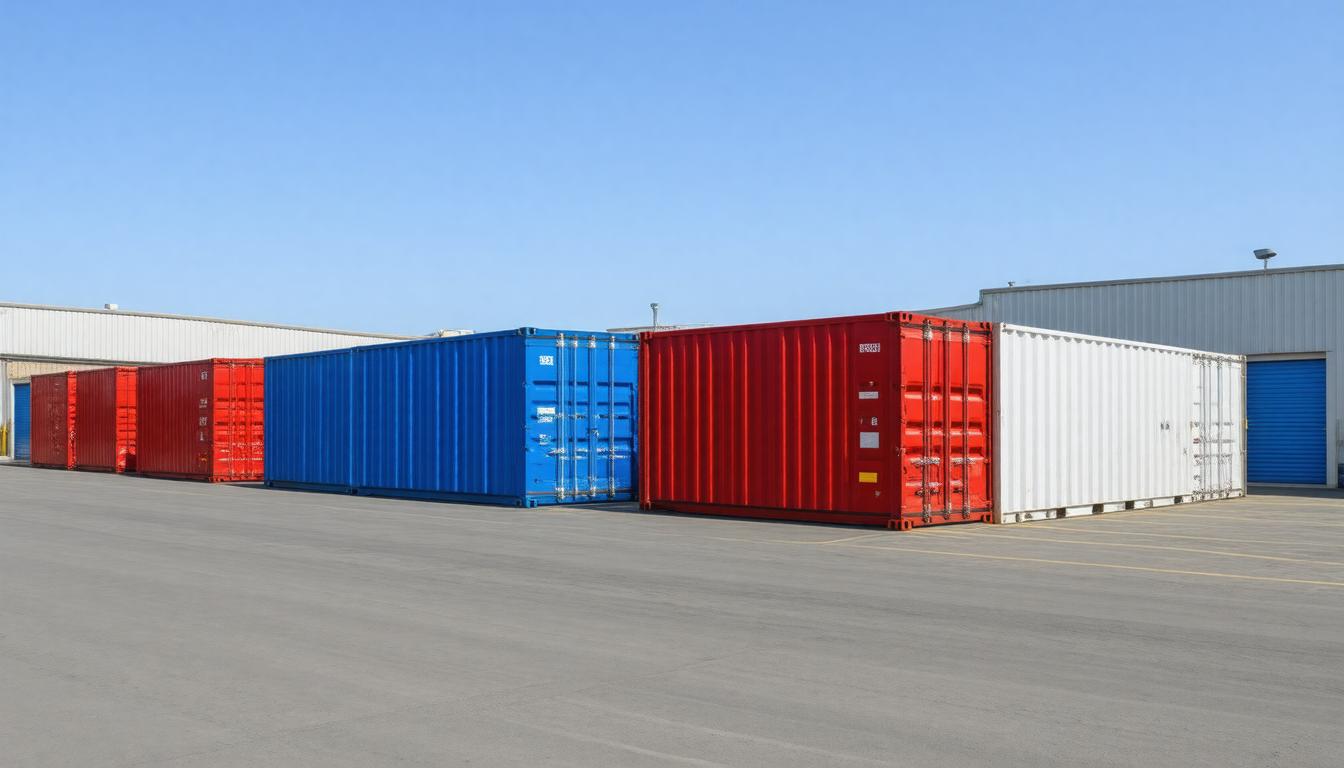
If you’ve ever found yourself scrambling for space while moving, remodeling, or just trying to clear out clutter, portable storage containers might just be your new best friend. These sturdy boxes on wheels show up at your doorstep ready to hold everything from furniture to tools, letting you pack on your own schedule without making endless trips. In this article, we’ll break down what makes these containers so handy, explore your options for renting or buying, and share tips to help you pick the one that fits your needs best.
Portable storage containers are durable, weatherproof units delivered to your location for convenient on-site loading, storage, and transport of your belongings. They offer flexible, secure, and cost-effective solutions for moving, remodeling projects, decluttering, or temporary storage without the need for multiple trips to a facility.
Best Portable Storage Container Options
When it comes to short-term storage, flexibility and convenience are key. Renting a container from industry leaders like PODS or Go Mini’s can simplify your moving or storage process considerably. These companies deliver fully enclosed, weather-resistant containers you load at your own pace. They also handle both pickup and transport, removing a huge logistical burden. Imagine packing without rush, then professionals safely moving your container to its destination or secure storage facility. This service suits people juggling busy schedules or temporary housing situations perfectly.
Beyond ease of use, rental services offer various container sizes, ensuring you pay only for what you need. Many renters appreciate how these units protect belongings from heavy rains, wind, and dust storms. The sturdy construction combined with professional support means fewer worries about damage during the transition.
But perhaps your storage timeline stretches longer than a few months—then buying a container may be the smarter move.
2. Long-Term Storage
If you need a solution that lasts years, investing in your own portable storage unit is often the best financial choice. Companies like SteelStorage and Mobile Mini manufacture containers built to endure harsh conditions over extended periods while providing ample security. Since these units become your property, you avoid recurring rental fees and gain full control over usage and location.
These durable steel-framed containers serve many purposes: storing household goods during renovations, safeguarding business inventory offsite, or offering on-site storage for work projects. Many models provide customizable interior shelving or add-ons to optimize space and accessibility. Buying also lets you relocate the unit yourself or hire movers without dealing with third-party logistics once ownership begins.
Consider this comparison: renting offers convenience but incurs ongoing costs tied closely to time; purchasing requires upfront investment but spreads expense across many years of use. If you anticipate needing storage beyond a year or two, ownership likely becomes more economical and provides peace of mind through permanence.
Each option carries distinct advantages shaped by cost, convenience, duration, and control—understanding these factors empowers better decisions.
Choosing What Fits You Best
| Storage Need | Recommended Option | Key Benefit | Typical User |
|---|---|---|---|
| Short-term (weeks/months) | Rent from PODS or Go Mini’s | Flexible timetable & delivery | Movers, temporary housing |
| Long-term (years) | Buy from SteelStorage or Mobile Mini | Durable ownership & customization | Business owners, home renovators |
The ideal container depends on how long you’ll need it and how much work you want to handle yourself versus delegate. Services like PODS, known for excellent customer support and flexible sizing, top the charts for renters focused on simplicity. Meanwhile, businesses seeking rugged long-term solutions prefer brands offering steel-framed options with optional modifications.
Before committing, assess your timeline and budget but also consider how involved you want to be in packing, moving, and retrieval. Many customers repeatedly choose trusted names such as PODS because they balance DIY ease with professional handling—an unbeatable combination in today’s fast-moving world.
With this groundwork laid regarding providers tailored for different needs, it’s essential next to explore pricing factors so you can plan your portable storage budget wisely.
Material Choices: Metal, Plastic, and Wood
When selecting a portable storage container, the material it’s made from plays a crucial role—not only in how long it lasts but also in how well it protects your belongings and how easy it is to handle. Metal containers, especially those crafted from steel, are often the go-to choice for their impressive strength and resilience. These units are built to withstand harsh weather conditions like heavy rain or intense sun exposure, making them perfect for prolonged outdoor use.
However, even steel isn’t invincible—the risk of rust means they need periodic maintenance or protective coatings to keep them looking and performing at their best.
On the other hand, if you find yourself needing something lighter and easier to move, plastic containers offer a compelling alternative.
Plastic containers offer weight advantages that metal simply can’t match. Their resistance to rust and corrosion springs from the nature of the material itself—there’s no metal to oxidize—making them virtually worry-free when it comes to weather damage. This makes plastic an attractive option for indoor storage or scenarios where extreme durability is less critical.
But it’s essential to recognize that plastic is not as strong as metal; its walls are thinner and more flexible, which could mean less protection against impact or attempts at forced entry. For this reason, these containers shine when storing items that are less sensitive or valuable.
Still, there is a third path that appeals to those with a taste for tradition and natural materials: wood.
Wooden containers bring a classic look that many find visually appealing, especially for home or garden storage where aesthetics matter. While wood has a certain charm and warmth, it doesn’t offer the toughness of metal or the weather resistance of plastic without significant upkeep.
Wood containers tend to absorb moisture if left untreated, leading to rot or pest infestation over time—which means regular sealing or treatment is non-negotiable if you want your unit to survive beyond a few seasons. Security-wise, wood is easier to breach compared to steel; this makes wooden units more suitable for temporary use or for storing less valuable possessions.
| Material | Durability (Years) | Security Level | Weight (lbs) | Maintenance Needs | Best Use Cases |
|---|---|---|---|---|---|
| Metal | 15-20 | High | 2300-3000 approx. | Moderate (rust prevention) | Outdoor storage, long-term use |
| Plastic | 8-12 | Moderate | 1000-1500 | Low | Indoor storage, lightweight needs |
| Wood | 5-10 | Low | Varies | High (weatherproofing needed) | Decorative storage, furniture |
Understanding these trade-offs helps you choose the container material that aligns best with your specific needs. For example, if security and longevity are priorities for an outdoor project, metal is typically the smartest pick. Conversely, if you’re packing up lighter belongings inside a garage or basement where accessibility and ease of movement matter most, plastic might be just right.
And if the container’s appearance blends into a rustic setting—and you’re prepared for routine maintenance—wood could serve both form and function comfortably.
Whichever material you select, remember that proper care goes a long way toward extending your container’s service life. For metal units, consistent inspections for rust spots and immediate touch-ups prevent deeper corrosion; plastic units fare well with simple cleaning and sheltered placement; wood requires careful sealing against moisture and periodic treatment against pests.
Being aware of these characteristics ensures your investment in portable storage works hard for you—delivering a secure place for your possessions without surprises down the road. At ChooseTiger.com, we’re committed to helping you make informed decisions about storage solutions tailored to your lifestyle.
Material choice sets the foundation for your storage needs; next comes understanding whether owning or renting a container best suits your situation. The following section explores the factors influencing this decision and what you should consider before committing.
Renting vs. Purchasing Containers
Deciding between renting and purchasing a portable storage container ultimately comes down to your specific needs and the duration of use. Renting is often the go-to for those facing short-term storage demands—maybe you’re in the middle of a local move, remodeling project, or seasonal decluttering.
The upfront costs tend to be significantly lower since you pay for only the time you need the container. There’s no burden of long-term upkeep or concerns about where to store the unit once you’re done with it, as rental companies handle ongoing maintenance and transport logistics.
On the other hand, purchasing a container makes more sense if you require a permanent or long-term storage solution. Although the initial investment is higher—ranging typically from $2,000 to $4,500 depending on size and features—the overall cost per month drops dramatically over years of use.
Owning your container gives you complete control over customization; you can outfit it with shelving, insulation, or security upgrades tailored to your needs. Plus, having a dedicated storage unit on-site means instant access anytime without waiting for delivery or pick-up schedules.
Consider maintenance responsibilities as well. Rental containers are maintained by the provider: they ensure structural integrity, weatherproofing, and cleanliness before delivery and after pick-up.
When you own a storage container, these chores are your responsibility, which includes keeping seals tight and protecting it from environmental wear over its typical 10 to 15-year lifespan.
If maintenance or storage location is an issue—for example, not having space to keep an unused container—renting offers flexibility that ownership cannot match.
- Renting Pros: Lower upfront costs; professional maintenance included; flexible durations; no storage worries after use.
- Renting Cons: Costs accumulate with longer-term use; less freedom for custom modifications; potential wait times for delivery/pick-up.
- Purchasing Pros: Long-term savings; full control over modifications; immediate access to your belongings.
- Purchasing Cons: Higher initial outlay; ongoing maintenance required; requires on-site space for storage when not in use.
Both routes offer distinct advantages and trade-offs. Understanding your budget and how long you’ll need the container helps clarify the best choice.
| Factor | Renting | Purchasing |
|---|---|---|
| Upfront Cost | Low | High |
| Maintenance | Provider handles | Owner responsible |
| Duration Suitability | Short to medium term | Medium to long term |
| Customization | Limited | Extensive |
| Flexibility | High (return/exchange options) | Low (fixed asset) |
| Accessibility | Delivery schedules apply | Immediate access |
| Storage Space Needed | None once returned | Must have space for container |
For many customers in Memphis and nearby areas served by Go Mini’s of Tennessee, renting is ideal thanks to their “We Deliver. You Load. We Pick Up.” service model—eliminating logistical headaches while providing secure, weatherproof containers right at the doorstep.
However, if your needs span multiple years or require special customization like climate-controlled environments or shelving systems, purchasing might be worth considering.
Before deciding, gather quotes from reputable providers for both renting and purchasing options. Instant online quote tools provide transparent pricing tailored to your needs and location.
Delivery fees typically range between $50 and $150. Also inquire about insurance coverage differences between rented units and homeowner policies covering owned containers.
Making an informed choice not only saves money but ensures your belongings stay protected and accessible throughout your storage period.
With these financial and practical considerations in mind, understanding what guarantees quality and durability in these containers becomes essential as your next priority.
Ensuring Quality and Durability
When considering portable storage containers, one of the most important aspects to look at is the material thickness. Metal containers made with thicker steel not only fend off dents and accidental impacts more effectively but also offer much better long-term resistance against corrosion and weather damage.
For example, many reliable containers use steel in a 14 to 16 gauge range—14 gauge being noticeably sturdier—ensuring that your stored belongings stay protected even if the container faces rough handling or exposure to rain over months or years.
Yet, material alone doesn’t guarantee durability—it’s how the container is constructed that truly defines its strength.
Construction Quality
A container with robust construction will have reinforced corners that act like bumpers absorbing shocks during transport or stacking. These reinforcements prevent cracking or warping, especially when containers are stacked high or placed on uneven ground.
Beyond those visible features, high-quality welds on seams make a critical difference: solid welding ensures no gaps where moisture or pests can enter. This attention to detail is characteristic of premium container providers like U-Haul and Go Mini’s, which emphasize industrial-grade fabrication practices to produce units suited for repeated use under varying environmental conditions.
One often overlooked factor is regular maintenance, particularly for metal containers, because even the toughest steel surfaces benefit from rust prevention treatments and periodic inspections.
Treating exposed metal parts with rust inhibitors or repainting worn areas not only preserves aesthetics but extends the container’s lifespan by preventing deep corrosion—which can weaken structural integrity over time.
| Feature | Benefit | Tip for Longevity |
|---|---|---|
| Steel Gauge Thickness | More protection against impacts & rust | Opt for 14-16 gauge steel |
| Reinforced Corners | Absorbs shocks, prevents cracking | Check corners after each move |
| High-Quality Welds | Prevents water/pest intrusion | Inspect seams periodically |
| Rust Treatment | Extends life and preserves strength | Apply rust inhibitors annually |
It’s worth noting that some brands even apply powder-coated finishes, which can protect against rust for over a decade under typical outdoor use. This is an important consideration if you plan on using your portable container outdoors for long periods or in humid climates such as Memphis or surrounding Tennessee areas, where moisture can be a persistent threat.
When shopping for a container, don’t just look at size or price—also ask about these quality features and what maintenance is recommended to keep it in prime shape. A small upfront investment in quality pays dividends by avoiding costly repairs or replacement down the line.
Understanding these critical construction and upkeep details naturally leads us into exploring how security features further enhance protection against theft and environmental hazards.
Security Features and Protection
When it comes to using portable storage containers, security isn’t just a nice-to-have—it’s essential, especially when you’re entrusting your valuables to an outside provider for days or weeks. Containers today come loaded with thoughtful design elements aimed at thwarting theft and tampering, ensuring you can feel confident your items remain safe from unwanted access.
The walls themselves are typically crafted from high-grade steel—often around 14-gauge thickness—which provides solid resistance against cutting or forcible entry attempts. This layered protection starts with the container’s shell but doesn’t end there. Doors are reinforced with multi-point locking systems and anti-pry bars, which are specifically engineered to prevent leverage attacks that intruders might try. These locks aren’t just ordinary padlocks; many reputable brands integrate lock boxes with tamper-proof designs rated to withstand forceful entry for over 30 minutes.
Another important feature found in many storage containers is the use of padlock protectors composed of hardened steel shrouds designed to resist even heavy-duty bolt cutters up to 10mm thick. This means simply slashing through your lock becomes impractically difficult for thieves.
In addition, containers meet security certifications—such as ASTM F1233 standards or UL TL-15 ratings—offering third-party verification that these units stand up to high-security requirements.
One increasingly popular enhancement is the integration of technology: some companies now offer container units equipped with GPS tracking modules so you can monitor the location of your storage container in real time through a smartphone app or web portal. This feature is invaluable if your container is being transported across long distances or stored offsite in shared facilities. Adding an alarm system that triggers if unauthorized access is detected further bolsters this digital layer of security, giving users adjustable sensitivity settings for peace of mind tailored to their needs.
How These Features Work Together
Think of container security like a fortress built layer by layer. The strong steel construction forms your first line of defense by making physical intrusion hard from the start. Reinforced doors and hinges add the second protective barrier — they make it challenging for any burglar to pry open doors without attracting attention or damaging their tools. Following this, lock protectors cover one of the most vulnerable spots—your actual lock—to prevent quick hacks with bolt cutters.
Technology-driven features like GPS trackers act as an invisible guard watching over your container’s location constantly, while alarms serve as immediate alerts if someone tampers with your unit. Together, these defenses create multiple hurdles for would-be thieves, significantly reducing risk.
What You Should Look For
When evaluating portable storage options, it pays to inspect what security features are included because not all containers are created equal. Ask whether the container has:
| Feature | Description |
|---|---|
| Reinforced door frames | Multi-point locking systems for added door security |
| Hardened steel lock shrouds | Protects locks from bolt cutter attacks |
| Tamper-proof hinges | Resistant to forced removal |
| Weatherproof seals | Keep moisture and dust out while deterring tampering |
| Anti-pry bars | Prevent leverage-based break-in attempts |
| Industry Certifications | ASTM F1233 or UL TL-15 verifying high security standards |
| GPS Tracking / Alarm Systems | Real-time monitoring and alerts for unauthorized access |
Choosing a container that offers this comprehensive suite increases your protection against both opportunistic break-ins and more determined theft attempts.
Beyond securing your belongings physically and digitally, logistical considerations during transport and rental periods also play a crucial role in maintaining safety—especially when handling valuable or sensitive items that need extra care throughout their journey.
Convenience and Flexibility
Portable storage containers stand out primarily because they let you control your moving or storage timeline without being rushed. Imagine not having to coordinate frantic loading schedules or wait for a traditional moving truck to show up on an exact date. Instead, services like Go Mini’s or PODS deliver the container right to your driveway, allowing you to pack or unpack at your own pace. This on-demand delivery system means you decide when to start filling the container, freeing you from tight deadlines that can make moving stressful.
What makes this especially valuable is the ability to customize your rental period. Whether you need short-term storage during a remodel lasting just a few weeks or longer storage due to a military deployment months away, month-to-month rental plans provide the necessary leeway. You won’t pay for more time than you use, and if your situation changes, extending or shortening your rental is often straightforward. This flexibility prevents overcommitting financially and logistically.
Think of it like renting a hotel room rather than buying property—you get what you need, when you need it, without excess commitment. Plus, many providers offer the choice to keep the container onsite for easy access or have it transported and stored securely offsite if space is limited at home.
Additionally, these containers cater to various transportation needs. Whether you are moving locally within Memphis or across several states via a long-distance move, companies can adjust logistics accordingly. For instance, some renters hold their container on the property during packing and then schedule its pickup and shipping on their timetable—sometimes even months apart—which adds tremendous convenience and reduces double handling.
| Feature | Benefit |
|---|---|
| On-demand delivery | Convenience in scheduling |
| Month-to-month rental | Flexibility in storage duration |
| Local & long-distance | Various transportation needs catered to |
By leveraging these flexible options, customers reduce stress while fine-tuning expenses and timing around their unique circumstances. Especially when juggling home renovations, seasonal moves, or busy work schedules, this adaptability provides peace of mind that traditional storage or moving solutions rarely match.
When considering portable storage rentals, clearly outline your needs: How soon do you want the container? How long will you need it? Where will it be stored during your rental? Making these questions clear helps ensure the option you choose maximizes convenience while avoiding surprises in cost or availability.
Having seen how these units offer remarkable convenience and flexibility, it’s essential next to consider the trusted names shaping industry standards and customer experiences. This knowledge will help guide which brands stand out and why they matter in your search for the ideal solution.
Top Brands and Recommendations
When selecting a portable storage container, the brand you choose can make a significant difference—not just in the durability of the container, but also in service quality and peace of mind during your move or storage period.
One name that consistently rises to the top is PODS, widely regarded for its well-rounded offerings that blend both storage and moving solutions with remarkable flexibility. PODS provides customers with three container sizes tailored to different needs, whether you’re tackling a small apartment move or a full household relocation. Their sturdy steel-framed units hold up well against weather and handling, all while their customer support often receives praise for responsiveness and professionalism. This combination makes PODS not only convenient but also trusted by millions over nearly three decades.
While PODS excels in versatility, some users prioritize security above all else—whether safeguarding valuables during a lengthy construction project or securing tools on-site for months.
In this category, SteelStorage earns attention as a premier option. Their containers are crafted from reinforced steel designed to resist forced entry and harsh environmental conditions alike. Advanced locking systems further bolster their security edge, giving peace of mind when storing high-value items outdoors or in unsecured locations. SteelStorage products are built tough, targeting customers who require long-term durability combined with the highest level of protection.
For those more focused on budget-friendly options without compromising basic durability, Go Mini’s offers an appealing balance.
Their containers come with weather-resistant features ideal for protecting belongings from rain or snow—important considerations especially if your storage will be exposed outdoors for extended periods. What stands out about Go Mini’s is their flexibility: offering both on-site delivery where you load at your own pace and facility-based storage if you prefer to drop off your container safely. This range positions Go Mini’s as a practical pick for renters seeking affordable solutions, especially for short- to medium-term needs.
To help visualize these distinctions, here’s a quick comparison:
| Brand | Key Strengths | Typical Use Case | Container Sizes Available | Additional Advantages |
|---|---|---|---|---|
| PODS | Flexibility, customer service | Local or long-distance moves | Small, Medium, Large | Packing assistance, vehicle shipping |
| SteelStorage | Security, weatherproofing | Long-term outdoor storage | Medium, Large | Advanced locks, reinforced steel structure |
| Go Mini’s | Affordability, flexibility | Short/medium term with budget | Medium, Large | On-site & facility storage options |
Each of these brands has carved its own niche by focusing on what matters most to particular types of customers—whether that’s PODS’ seamless combination of moving plus storage services or SteelStorage’s robust physical security measures.
Choosing the right company hinges on understanding your priorities: Are you looking for maximum convenience? Is secure protection your primary concern? Or do you need an affordable solution that adapts easily to changing plans?
For anyone navigating this decision-making process, remember that reputable sources like ChooseTiger offer detailed comparisons and expert insights that simplify choosing the container best suited to your unique situation—helping avoid surprises later on during your move or storage rental.
For more detailed recommendations and to make sure you’re choosing the best options available, visit https://choosetiger.com, where thorough reviews and up-to-date pricing help take the guesswork out of portable storage container selection.
Selecting a portable storage container is about matching your needs with reliable providers that deliver durability, security, and convenience. With trusted brands and expert guidance at your fingertips, managing your move or storage can become a seamless experience.