

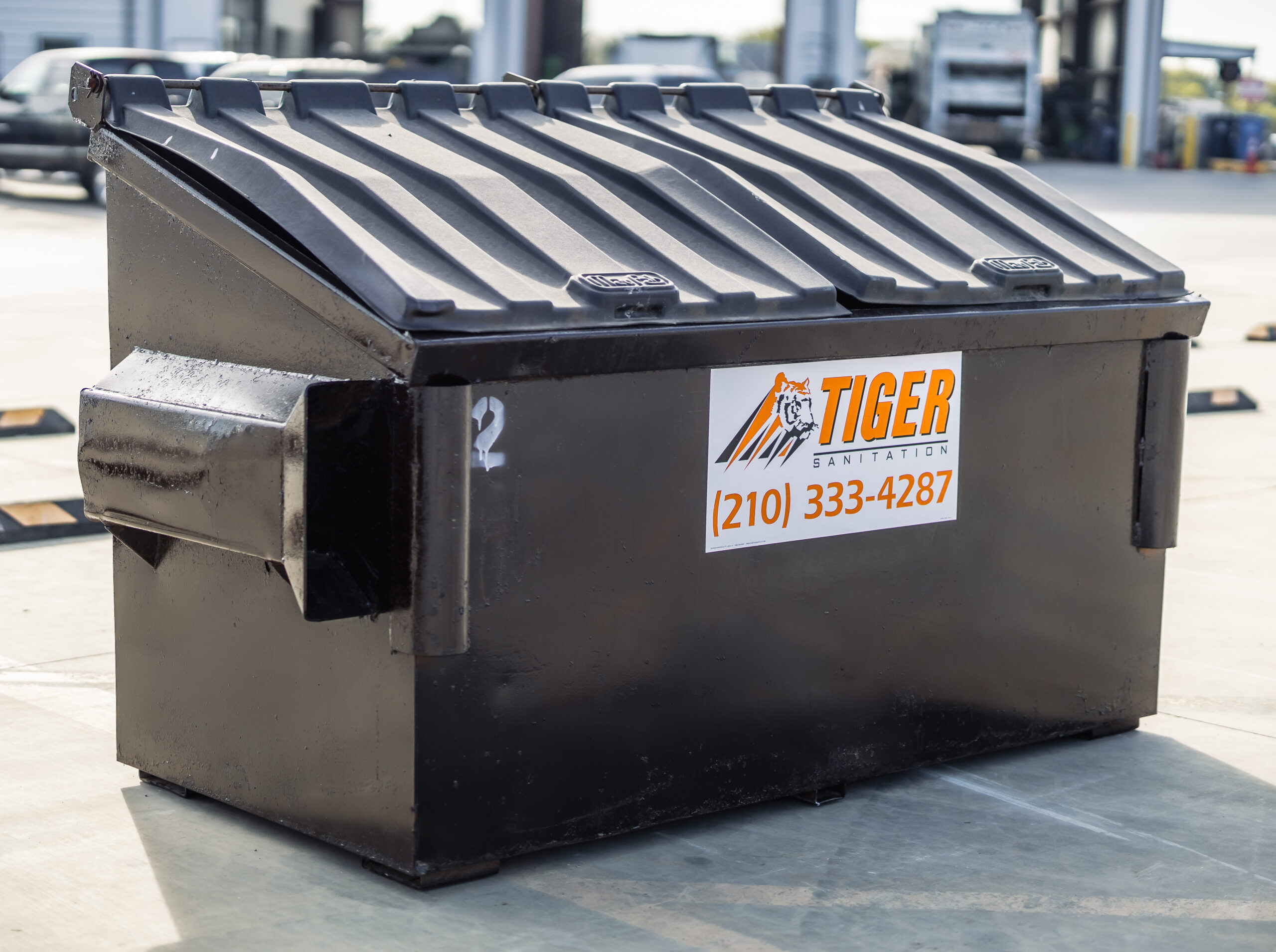
Managing large amounts of trash and debris can quickly become overwhelming, especially during big projects like home renovations or construction work. That’s where roll-off trash containers come in handy—they’re like giant bins on wheels that make waste cleanup easier and more organized. Whether you’re clearing out a garage, doing a landscaping overhaul, or handling construction debris, knowing the basics about these containers will help you choose the right size, keep costs down, and manage your waste smarter throughout your project.
Roll-off trash containers are large, open-top dumpsters designed for efficiently collecting and hauling away bulky waste from construction, renovation, or demolition projects. You can rent a roll-off container in sizes such as 20-, 30-, or 40-yard from specialized waste management companies like Tiger Sanitation, which offers flexible rental options tailored to your project’s size and duration.
Roll Off Trash Containers Overview
Roll-off trash containers are essentially large, sturdy bins designed to handle a wide range of debris and waste materials. One of their standout features is their open-top design, which makes loading bulky or irregularly shaped items much easier compared to traditional enclosed dumpsters. This flexibility means you can toss in everything from old furniture and yard waste to heavy construction rubble without worrying about fitting through a narrow door or hatch.
What truly sets these containers apart is their mobility. Delivered and picked up by specially equipped roll-off trucks, they can be positioned exactly where you need them—be it your driveway during a home renovation, a commercial site clearing debris, or even a remote outdoor location. This convenience eliminates multiple trips to the landfill, saving time and reducing the hassle of managing large amounts of waste.
Size variety plays a crucial role in matching the container to your project’s scope. Smaller 20-yard containers are typically sufficient for big cleanouts or modest remodeling efforts. They balance capacity with maneuverability, fitting neatly into most driveways or parking spaces. On the other hand, 30- and 40-yard containers cater to larger projects, such as extensive construction work or lot clearing where massive volumes of materials are involved.
When deciding which size suits you best, consider not only the volume of waste but also the types of materials you’ll dispose of since some require special handling or have weight limits imposed by local regulations. It’s also wise to think about access: a larger container might be more efficient for volume but could be challenging to place in tight spaces.
Beyond size and shape, roll-off containers are designed for versatility. Many companies like Tiger Sanitation emphasize sustainability by guiding customers on proper disposal practices and recycling efforts, helping avoid contamination that could otherwise increase costs or cause environmental harm. Proper sorting before loading can save both money and time when the container is collected.
The combination of durability, mobility, and sizing options makes roll-off containers an indispensable tool for both residential and industrial waste management. By tailoring the container type and size to your specific needs—and practicing responsible waste handling—you ensure a smoother cleanup process that stays on budget and helps protect the environment.
With a clear grasp of what these containers offer, it’s easier to navigate rental options and align waste management strategies perfectly with your project’s demands.
Rental Costs and Procedures
Renting a roll-off container is much more than simply picking a size and calling it a day. The pricing structure hinges on several key factors that significantly impact your overall cost.
First, container size matters—a 20-yard dumpster will cost less to rent than a 40-yard one because it holds less waste and takes up less space. However, larger projects may ultimately be more economical with a bigger container, as multiple smaller ones add up in both rental fees and haul charges.
Another crucial element affecting price is rental duration. Most providers include a standard rental period—usually around seven days—in their base price. Need the container longer? Expect incremental daily or weekly fees that add up quickly if you don’t schedule timely pickup. Planning your project timeline carefully ensures you’re not paying extra for unexpected delays.
Weight restrictions also play an important role. Every container comes with a maximum weight limit, often measured in tons, covering typical materials like construction debris or household trash. Exceeding these limits usually means additional disposal fees per ton of overweight material.
That’s why knowing your waste types helps: heavy materials like concrete or soil can accelerate weight overages rapidly compared to lighter waste like wood or drywall.
“Transparent upfront communication about your project scope and waste types can prevent costly surprises,” says Tiger Sanitation’s customer service team.
Beyond costs, procedures begin with selecting the right service provider. Established companies like Tiger Sanitation bring experience in South Central Texas with deep knowledge of local regulations and logistical challenges, ensuring smooth delivery and pickup within cities such as San Antonio, New Braunfels, Kyle, and surrounding counties.
Using local providers also allows quick responses should you need extra time or container swaps.
Once you receive a quote reflecting container size, rental duration, estimated disposal fees, and any potential add-ons (like permits or special pickups), it’s time to review terms carefully.
Watch out for hidden fees—some companies charge for late returns or contamination caused by prohibited materials thrown into the bin. Sticking to provider guidelines avoids these penalties effortlessly.
When placing your order, double-check delivery instructions. Make sure the drop-off location has easy access for large trucks and is free of obstructions like low-hanging branches or parked cars.
Clarify any needed permits upfront; some municipalities require permits for placing dumpsters on public streets or sidewalks.
Coordinating pickup is just as important as delivery timing. Communicating clearly with your provider when you anticipate finishing helps keep your project on schedule and ensures no unnecessary rental fees pile up.
Many companies offer flexible scheduling options if your project accelerates or experiences delays.
Understanding rental costs alongside procedures empowers you to choose wisely and manage your roll-off container rental efficiently from start to finish.
For tailored solutions serving South Central Texas—including Bexar, Medina, Bandera, Kendall, Comal, Guadalupe, Wilson, and Atascosa counties—Tiger Sanitation stands ready to assist with competitive prices, expert guidance, and reliable service.
Ready to get started? Visit https://choosetiger.com or call (210) 333-4287 today for a free quote and seamless roll-off container rental experience.
With costs and procedures clearly outlined, gaining a firm grasp on the various sizes available will help match your project needs perfectly. Understanding how capacity influences usability naturally follows from here.
Container Sizes and Capacities
Roll-off containers come in a range of sizes designed to match the scale and nature of your waste disposal needs. At Tiger Sanitation, we offer four standard sizes: 10, 20, 30, and 40-yard containers — each with unique dimensions and ideal use cases. Choosing the right size is more than just about fitting your debris; it also affects how efficiently your project moves forward and how much you pay overall.
The 10-yard container is on the smaller end of the spectrum and works well for projects like small home cleanouts or light landscaping debris. Its compact footprint makes it perfect for tight spaces such as short driveways common in many residential neighborhoods throughout San Antonio and surrounding communities. This container’s limited height also discourages overfilling, which can be a big benefit if you want to avoid extra fees or delays.
Stepping up, the 20-yard container strikes a good balance between capacity and accessibility. It’s commonly chosen for medium-sized jobs like basement renovations or garage cleanouts. The size fits most residential settings but still holds multiple cubic yards of mixed waste or construction debris. For many homeowners tackling remodeling projects or clearing out clutter, this size offers enough room without the hassle of managing a massive bin.
If your work involves larger-scale renovations or you anticipate dealing with bulky materials such as old furniture, drywall, or roofing shingles, a 30-yard container might be necessary. This size is favored by contractors working on moderate commercial jobs or sizable residential remodeling because it accommodates heavier loads and irregularly shaped items better than smaller bins.
Finally, the heavy hitter—the 40-yard container—is typically reserved for major projects such as full home demolitions, large construction sites, or estate cleanouts where volume is significant. While this container offers maximum capacity by volume and is capable of storing hefty quantities of waste, it requires ample space for placement due to its considerable length and height. Planning logistics beforehand is crucial when renting this size to avoid unexpected complications.
Knowing these dimensions alone isn’t enough; your intended usage dramatically influences which container suits you best.
Residential versus Commercial Needs
Residential projects often wrestle with space constraints—driveways may be narrow, neighborhood ordinances might limit dumpster placement hours, and proximity to homes means noise considerations come into play. Smaller containers usually meet these demands better since they are easier to manage around personal property without causing disruption.
In contrast, commercial or industrial projects tend to generate larger volumes of diverse debris such as concrete, wood scraps, packaging material, metals, and more. These situations often justify the bigger 30- or 40-yard containers because frequent pickups would otherwise slow progress and increase labor costs. Additionally, experienced waste management providers like Tiger Sanitation can provide flexible delivery schedules to match project timelines so that waste removal flows smoothly.
One key benefit to keep in mind is that overfilling a smaller container frequently leads to multiple hauls—or worse—additional charges for overweight or excess material. Therefore, accurately estimating the type and volume of debris helps you decide whether it’s worth investing upfront in a larger dumpster versus paying incremental fees later.
Take advantage of free consultations offered by waste services like Tiger Sanitation at (210) 333-4287. Discussing your project specifics allows experts who know South Central Texas terrain and regulations such as those in Bexar County or New Braunfels to recommend cost-effective options tailored to your unique circumstances.
Beyond size considerations, understanding how each container aligns with different waste types can further sharpen your choice—and maximize environmental responsibility too.
With these factors in mind, it’s important to consider how various uses shape the demand for specific service features and container options. This awareness sets the stage for examining how different settings—from homes to businesses—benefit from tailored waste management solutions.
Residential and Commercial Uses
Roll-off containers bring unmatched convenience to homeowners and businesses alike by simplifying waste management with their large capacity and ease of use. In residential settings, these containers are perfect for handling bulky debris from remodeling projects, landscaping overhauls, or decluttering efforts that produce more waste than a standard trash bin can accommodate.
Imagine replacing old kitchen cabinets: the sheer volume of discarded wood, drywall, and packaging material would quickly overwhelm typical garbage collection methods. A 20-yard container from Tiger Sanitation offers enough space to keep your worksite clean and organized, preventing debris from piling up around your home or driveway.
In addition to renovation debris, these containers excel at managing yard waste during seasonal cleanups or large gardening projects. Leaves, branches, sod removals—all fit neatly without multiple trips to the landfill. This saves time and reduces back-and-forth drives, which is crucial for busy homeowners who want to focus on the project instead of hauling rubbish.
On the commercial side, roll-off containers elevate efficiency by addressing the specific demands of construction, demolition, and industrial operations that generate diverse types of waste in significant quantities.
Construction sites especially benefit from having appropriately sized roll-off containers on hand. Projects involving concrete pours create heavy materials that require sturdy containment; Tiger Sanitation’s 30- and 40-yard options are designed precisely for such loads. Managing scrap metal or lumber becomes manageable with these spacious bins placed strategically around a jobsite, minimizing clutter and hazards for workers while keeping materials separated for recycling purposes.
Moreover, large office cleanouts or commercial property renovations produce mixed waste streams requiring flexible handling solutions. Roll-off containers accommodate everything from old furniture and carpeting to excess packaging materials, facilitating streamlined disposal that helps keep projects on schedule.
The ability to swap out containers when full means no downtime waiting for waste pickup—simply order a replacement container and maintain momentum.
For both residential and commercial users, partnering with a service provider like Tiger Sanitation ensures access to expert advice on choosing the right container size based on project scope, waste type, and timing needs. Their commitment to responsible waste management also promotes environmental stewardship by guiding customers on recycling guidelines and contamination prevention.
“Using roll-off containers transforms challenging cleanup tasks into manageable steps with less hassle and fewer headaches,” says a Tiger Sanitation representative. “Our clients tell us they appreciate how this service helps maintain safe work zones while protecting their budgets.”
Beyond practical advantages, roll-off container rentals play a crucial role in helping businesses comply with local regulations regarding waste disposal—a key consideration to avoid costly fines or operational disruptions.
Benefits of Roll Off Containers
One of the key reasons roll-off containers have become a staple in South Central Texas for waste management is their overwhelming convenience. Imagine tackling a home renovation or commercial demolition without having to haul debris bags repeatedly to the curb. Placing a container right at your site saves countless trips, making cleanup faster and less exhausting. Tiger Sanitation customers frequently tell us how having that container nearby transforms their project from chaotic to manageable.
Equally significant is the capacity these containers provide. Whether you are clearing out an attic or overseeing a large construction site, the ability to collect tons of debris in one sturdy bin removes the worry of overcrowded areas or limited pickup schedules. We offer sizes from 20 to 40 yards precisely so you can pick what matches your project’s scale, avoiding overpayments or shortages.
Another benefit that often surprises first-time users is how cost-effective renting a roll-off container can be. Instead of paying per bag or coordinating multiple pickups, Tiger Sanitation offers clear pricing structures that allow budget-friendly planning. You might spend less renting one container for the entire job than piecemeal trash removal methods would demand—and with far less hassle.
This leads us naturally to the flexibility factor. Roll-off containers are suited not just for general rubbish but also for specific needs like construction debris, yard waste, or heavy remodeling materials. Our team works closely with clients throughout San Antonio and surrounding counties to ensure you get a container that fits your waste type and volume, reducing complications and delays.
Lastly, an increasingly vital benefit is being environmentally friendly. Tiger Sanitation doesn’t just haul away waste; we emphasize responsible disposal by encouraging recycling whenever possible and carefully sorting materials at our facilities. This commitment supports sustainability programs across our service areas including Bexar, Kendall, and Comal counties. It’s not just good for your project—it’s good for our shared environment.
Recognizing these advantages highlights how roll-off containers are more than simple receptacles—they are essential tools for efficient and sustainable waste solutions. Yet, maximizing these benefits depends on how you manage what goes into them, which leads us directly to strategies for sorting and handling waste properly.
Tips for Effective Waste Management
One of the most important steps you can take is to sort your waste carefully. When recyclables like cardboard, plastics (#1-7), aluminum cans, and paper are mixed with general trash, it not only increases disposal costs but also contaminates recyclable materials, rendering them unusable. Imagine tossing everything indiscriminately into the roll-off container — that pile quickly turns into a costly mess.
Taking a few moments to separate materials upfront saves money and reduces landfill waste, aligning with smarter environmental choices.
Along those lines, avoiding overfilling your container is critical. Overstuffed containers aren’t just hard to close securely; they risk spilling during transport, which is dangerous and can lead to fines or extra charges.
Keeping the load within weight limits not only makes lifting and hauling safer but also ensures you won’t face surprise fees when the container is picked up. To stay in control, plan your disposal by breaking down bulky items—such as dismantling old furniture or flattening large boxes—so you can maximize space efficiently without crossing weight thresholds.
Equally crucial is knowing what materials are off-limits. Hazardous waste, electronics, yard debris, and food-contaminated items typically cannot go into roll-off containers because they require special handling.
Tiger Sanitation recommends reviewing their guidelines before you start loading: “When in doubt, throw it out” helps reduce contamination risks. This foresight prevents costly delays or needing multiple pickups.
For example, improperly discarding paint cans or tires could pose health and environmental dangers while jeopardizing your entire load.
Another practical tip is to schedule your container rental wisely. Planning ahead means you’re less likely to incur fees for overdue rentals or rushed pick-ups.
Consider how long your project will truly take—whether renovation, construction debris cleanup, or a big move—so you arrange drop-offs and pickups that fit your timeline smoothly. This hands-on approach to scheduling saves money and stress by preventing unexpected extensions and ensuring your waste is handled promptly.
Finally, using these strategies together will help optimize your overall waste management experience.
Thoughtful sorting reduces contamination; mindful packing maximizes capacity; awareness of restrictions safeguards compliance; and smart scheduling keeps things running without surprises.
In South Central Texas communities like San Antonio, Buda, New Braunfels, and others served by Tiger Sanitation, these simple practices empower homeowners and contractors alike to manage their projects responsibly and cost-effectively.
To learn more about roll-off container options tailored for your needs or for personalized assistance about sizes and pricing, visit choosetiger.com or call (210) 333-4287 during business hours. The experienced team at Tiger Sanitation stands ready to guide you in making the best choice for efficient and sustainable waste disposal in your area.
By adopting careful sorting habits, respecting restrictions, and planning rental timing thoughtfully, you can make your roll-off container experience smooth and cost-effective while contributing positively to environmental stewardship.