
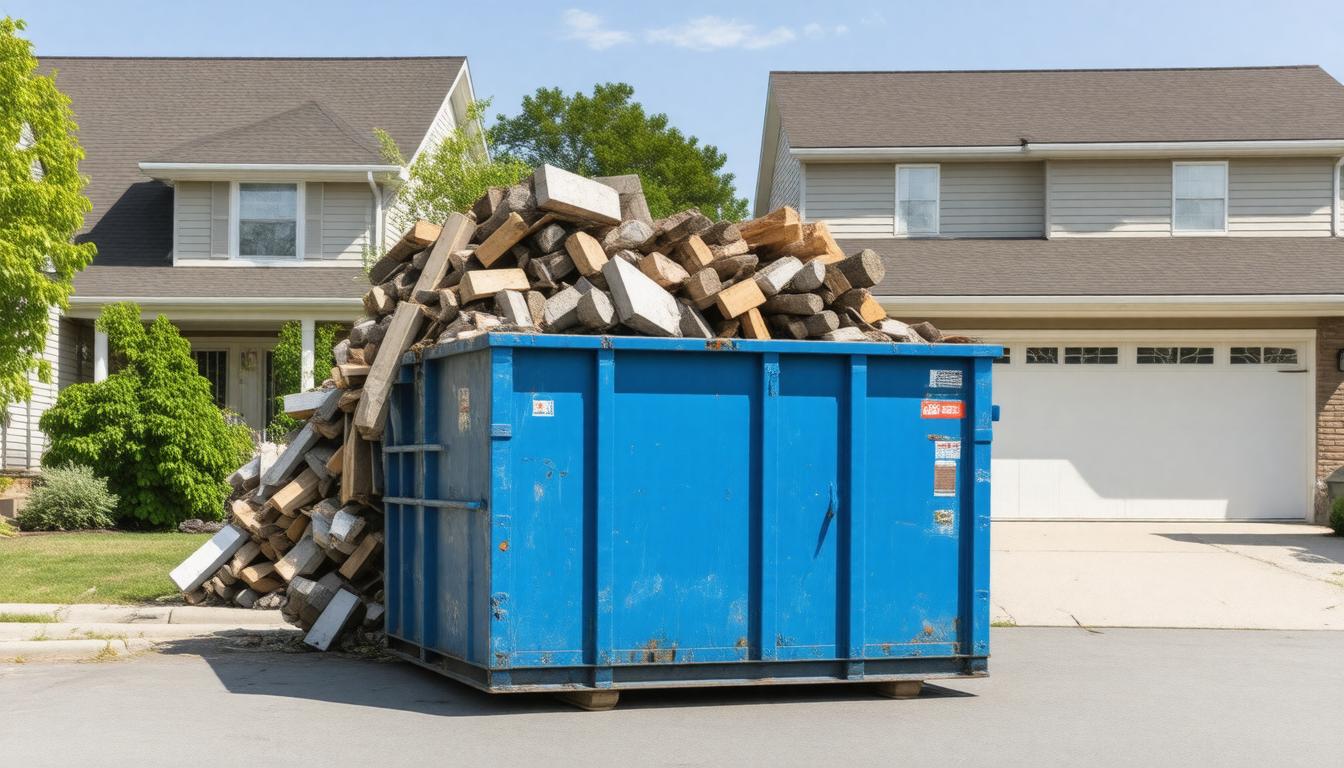
Looking for a roll-off dumpster rental near you can feel like hunting for a needle in a haystack—so many options, so many questions. Whether you’re cleaning out your garage, remodeling your home, or tackling a big construction project, finding a local company that’s trustworthy, affordable, and easy to work with makes all the difference. This guide breaks down what you need to know to choose the right dumpster size, understand pricing, and pick a provider that fits your schedule and budget without any surprises.
You can find roll-off dumpster rental services near you by contacting local waste management companies that specialize in residential or commercial dumpster rentals. For example, Tiger Sanitation offers reliable roll-off dumpster rentals in South Central Texas, including San Antonio and surrounding areas, ensuring convenient delivery, pickup, and environmentally responsible waste disposal.
Finding a Roll Off Dumpster Rental Near You
When you begin your search for a roll-off dumpster rental, local convenience means more than just proximity—it ensures your project stays on schedule with prompt delivery and pickup. The easiest way to start is by using online tools designed to connect you with businesses in your area. Typing “roll-off dumpster rental near me” into a search engine instantly produces a list of potential providers, complete with locations and ratings.
But don’t stop there; platforms like Google Maps or Yelp provide valuable insights through customer reviews, letting you gauge the reliability and professionalism of each company from real users’ experiences.
Beyond simply finding a company, this initial research phase helps narrow down options to those that align with your needs, whether that’s size flexibility, service area, or pricing transparency.
It’s worth remembering that rental companies serving South Central Texas — including San Antonio, San Marcos, and Buda — like our local Tiger Sanitation, often pride themselves on community-focused service, ensuring smoother coordination and fewer logistical headaches.
After identifying several companies from your search, the next critical step involves directly assessing their customer service capabilities.
Evaluating Customer Service
Calling the rental services you’re considering offers an immediate window into how they treat their customers and can reveal much about what to expect throughout your rental period. Asking pointed questions about availability lets you determine if they can meet your project timeline.
Inquire about rental terms, such as minimum or maximum rental periods and any fees that might not be obvious at first glance. Transparency here is key—companies that are upfront about costs avoid surprises later and demonstrate respect for their customers.
Remember that a reputable roll-off dumpster rental provider usually spells out these details clearly either on their website or during your initial contact. They take pride in making the process straightforward rather than a complex labyrinth of fine print.
For instance, Tiger Sanitation highlights clear pricing structures with no hidden fees and flexible options to accommodate both residential and commercial needs.
Don’t hesitate to ask about additional services like same-day delivery or recycling programs for waste diversion—these extras often differentiate a solid local provider from larger companies that may lack personalized service.
Also, request information about their capacity to handle different types of materials (construction debris, general waste, recyclable items), so you can stay compliant with local waste regulations and avoid unexpected charges.
By combining careful online research with thorough conversations over the phone, you set yourself up for a hassle-free experience—a small investment of time that pays dividends in cost savings and peace of mind when renting your next roll-off dumpster locally.
Now that you know how to find and evaluate providers near you, exploring the variety of dumpster sizes available will help match the perfect container to your project’s needs.
Available Roll Off Dumpster Sizes
When it comes to choosing a roll off dumpster, size really matters. The dumpster’s capacity affects how much waste you can dispose of and influences the cost and convenience of your project. Picking the right size prevents unnecessary expenses and logistical headaches down the road.
The smallest commonly available dumpsters are typically 10-yard containers. These are compact and perfect for smaller tasks—think minor home cleanouts, garage decluttering, or light renovation debris. Because they’re so manageable, they often fit in tighter spaces like driveways without causing disruption.
Moving up, 20-yard dumpsters are among the most popular choices. Their moderate size suits medium-sized projects like remodeling a bathroom, clearing out a backyard after winter, or home improvement jobs that produce more waste than a simple tidy-up but less than a total overhaul demands. They strike a practical balance between capacity and maneuverability.
For larger renovation jobs or substantial cleanouts—such as remodeling multiple rooms or clearing out an entire house—30-yard dumpsters come into play. They offer ample room to handle bulky materials like drywall, wood framing, and large amounts of trash without needing frequent pickups.
On the opposite end, 40-yard dumpsters are designed for commercial and industrial-scale projects. Think construction sites with demolition debris or major facility renovations where tons of material accumulate quickly. These massive containers require sufficient space and sturdy ground surfaces to accommodate their size safely.
“Picking the right dumpster isn’t about getting the biggest container—it’s about matching your project’s waste volume precisely to avoid overspending or inconvenience.”
| Dumpster Size | Typical Project Use | Dimensions (approx.) | Ideal For |
|---|---|---|---|
| 10-Yard | Small cleanouts, minor renovations | 12’ L x 8’ W x 3.5’ H | Garage cleanouts, small basement projects |
| 20-Yard | Medium home or yard projects | 22’ L x 8’ W x 4.5’ H | Bathroom remodels, deck tear-offs |
| 30-Yard | Larger renovations or full house cleanouts | 22’ L x 8’ W x 6’ H | Major home projects, bulky construction waste |
| 40-Yard | Commercial/large demolition projects | 22’ L x 8’ W x 8’ H | Commercial builds, multi-room demolitions |
Choosing wisely also means considering not just volume but the types of materials you’ll be discarding. Dense debris like concrete or dirt weighs significantly more and may reach weight limits before volumetric ones. It’s advisable to consult your dumpster provider about weight restrictions associated with each container size.
Additionally, think about where you’ll place the dumpster. Larger sizes need ample space—for delivery and pickup—which might not be feasible in tight urban settings. Smaller containers may be easier to position but can become overcrowded if your project expands unexpectedly.
Renting from providers such as Tiger Sanitation serving South Central Texas communities—including San Antonio and Buda—offers expert guidance on selecting dumpster sizes tailored to your project specifics. Their team understands local regulations and site limitations and helps streamline the rental process.
Size selection is just the first step; planning how to schedule and manage your rental ensures smooth waste disposal throughout your project’s duration.
Choosing the Right Size for Your Needs
The key to selecting the right dumpster size lies in realistically assessing your project’s scope. It may seem straightforward, but many people end up either renting dumpsters that are too small—resulting in overflow and extra fees—or unnecessarily large, leading to wasted costs. Understanding the nature and volume of your waste will guide you toward a smarter choice.
Project Type Considerations
Different projects produce different types and amounts of debris. A small bathroom renovation, stripping out outdated fixtures and tiles, will generate less waste compared to clearing out an entire home or tackling a commercial construction site.
For lightweight but bulky items like furniture or yard waste, the cubic yards alone don’t tell the whole story because these materials take up more space relative to their weight. Conversely, dense materials such as concrete or soil require a sturdier, appropriately sized container that can handle the weight without exceeding limits.
Are you disposing mostly construction debris like drywall and lumber, or will you also have large appliances or bulky waste? These distinctions matter because compactors struggle with oversized, irregular shapes that demand extra space or multiple hauls.
Estimating your volume roughly in cubic yards helps: a 10-yard dumpster typically fits about three pickup truck loads, adequate for minor renovations or cleanouts. For larger projects—like a full house cleanout or major construction—you may be looking at 20- to 30-yard containers capable of holding six to ten pickup loads.
Consult with Experts
One practical tip is not to hesitate consulting your rental provider for guidance. Experienced companies like Tiger Sanitation know the ins and outs of local regulations, weight limits, and sizing nuances. When you describe your project details—materials involved, expected volume, and timeline—they can recommend an optimal dumpster size that avoids costly miscalculations.
This personalized advice ensures you won’t be paying for unused capacity while avoiding surprises from underestimating your waste volume. It’s an efficient strategy that saves time and money and reduces environmental impact by minimizing unnecessary trips.
In fact, smarter dumpster selection contributes directly to sustainability goals by optimizing resource use—less transport means fewer emissions and lower fuel consumption.
Another expert tip is to consider how long you’ll need the dumpster. Projects often stretch beyond initial expectations, so having flexible rental terms can be just as important as getting the right size upfront. Tiger Sanitation provides prompt customer service and convenient scheduling throughout South Central Texas, making adjustments easier if your needs change mid-project.
After deciding on the appropriate container size and confirming rental arrangements, understanding cost factors can further optimize your project budgeting and planning.
Pricing and Cost Considerations
When you’re renting a roll-off dumpster, the price isn’t just a flat fee that covers everything. Instead, it’s a collection of different charges tied together, each reflecting a specific aspect of the service. This layered pricing approach means your final bill is influenced by various factors — which can make it tricky to decode if you don’t know what to ask for upfront.
A base rate typically forms the foundation of your cost. This fee generally covers renting the dumpster itself for a standard period, usually around 7 to 10 days. It reflects the value of the equipment and basic service, like hauling the container to your site and then coming back to pick it up when you’re finished. However, this base rate often assumes your waste will stay within certain limits in terms of volume and weight.
That’s where extra fees come into play. If you accidentally fill your dumpster beyond the included weight limit—say you have denser debris like concrete or dirt—you’ll likely encounter overage fees. These fees compensate the disposal facility for handling heavier loads than originally estimated, and they can add up fast, sometimes doubling the expected cost.
It’s also worth noting that extending your rental period beyond the original agreement usually isn’t free. Roll-off dumpsters are scheduled carefully to meet multiple customers’ timelines. So, holding on to one longer might require extension charges to accommodate that extended use.
Always be clear about how long you expect to need the dumpster and plan accordingly. Communicating any potential changes early with your provider, such as Tiger Sanitation serving South Central Texas, can help avoid unexpected bills.
| Cost Component | Description |
|---|---|
| Base Rate | Covers rental for standard period (7-10 days) |
| Overage Fees | Charged if weight limits are exceeded |
| Extension Charges | Extra fee if rental period is extended |
| Disposal Fees | Pays for processing and environmentally responsible disposal |
| Delivery and Pickup | Transportation costs to and from your site |
Disposal fees are another major factor influencing total cost. These cover how much it costs to process and recycle—or safely dispose of—the type of waste you’re throwing away. For example, materials like household trash may incur different rates compared to construction debris or recyclables. Using a company emphasizing environmental stewardship like Tiger Sanitation means you benefit from responsible waste processing aligned with local regulations and sustainability goals.
Don’t forget about delivery and pickup charges either. These seemingly small fees ensure your dumpster arrives right where you need it and is removed promptly once you’re done. Particularly in busy urban areas or tight spaces, delivery logistics can influence these transportation costs.
When requesting a quote, insist on an all-inclusive breakdown listing each possible charge separately rather than just a lump sum. Armed with that information, you’ll avoid surprises that cut into your budget when the final invoice arrives by mail or email.
Are there ways to trim costs? Absolutely—you can save by selecting dumpster sizes matched closely to your project scope (not too big or small), avoiding overloading heavy materials unnecessarily, and planning rental duration thoughtfully so extensions aren’t needed.
Partnering with a trusted local roll-off provider like Tiger Sanitation also means access to clear communications about pricing policies tailored specifically for communities in San Antonio, Buda, San Marcos, and surrounding South Central Texas areas.
By calling (210) 333-4287 during business hours from Monday through Thursday between 8 am – 5 pm, you can get personalized advice ensuring you get the dumpster size and service that fits both your needs and budget without hidden fees.
“Transparency in pricing isn’t just good business—it builds trust.”
Ask questions, demand detailed quotes including all potential variability in costs, plan ahead on size and timing, and choose a company committed to responsible waste management and excellent customer service like Tiger Sanitation.
Understanding how pricing breaks down allows you to compare options more effectively. With those details in hand, exploring various rates available locally will further empower you to make an informed decision that maximizes value without compromise.
Comparing Local Dumpster Rental Prices
When it comes to finding an affordable roll-off dumpster rental near you, price shopping is more than just glancing at a number. It requires a bit of strategy. Start by gathering at least three quotes from different providers in your area. Many companies now offer instant online quotes, making this step easier than ever before.
However, sometimes a quick phone call to ask about hidden fees or specific policies can reveal important details that aren’t listed upfront. This thorough approach ensures you’re not caught off guard with unexpected charges later.
The comparison shouldn’t stop at the sticker price. Imagine two providers offering $300 dumpsters but with wildly different terms. One might include a generous weight allowance and free extensions up to a week, while the other could charge hefty fees if you exceed 5,000 pounds or if you keep the dumpster an extra day. It’s like buying a car—sometimes a higher initial price saves you money down the road on repairs or maintenance.
To get a clear picture, request that each quote breaks down what’s included: rental period, weight limits, disposal types allowed, and penalties for overages or late returns. This transparency lets you weigh not only cost but convenience and reliability too.
Remember that sometimes a slightly higher rate from a local company like Tiger Sanitation can be worth it due to prompt service, easier communication, and eco-friendly disposal practices that prioritize recycling.
Factor in how close the company’s yard is to your site as well since travel distance can affect delivery and pickup speed—and sometimes cost. Also inquire about what materials are accepted; some companies exclude construction debris or certain items which could force you to find additional disposal solutions, driving up overall expenses.
Lastly, don’t forget to check customer reviews or speak with people who’ve previously rented from these companies. Price comparisons alone won’t guarantee quality service. A smooth rental experience often correlates with better pricing flexibility and fewer surprises when it’s time to settle up.
“Choosing the right dumpster rental provider isn’t just about finding the cheapest option—it’s about finding a partner who meets your project needs reliably and transparently.”
Armed with these insights on choosing wisely among dumpster rentals, it’s essential to also consider how to use your rental effectively. Understanding practical strategies for managing your dumpster can save money and minimize hassle as your project moves forward.
Efficient Use of Roll Off Dumpsters
Getting the most out of your roll off dumpster isn’t just about filling it up—it’s about how you fill it. Smart use prevents surprises like unexpected fees or an early pickup, which can throw off your project timeline and budget.
One of the very first things to consider is organizing before you start loading. Breaking down bulky items—think furniture, large boxes, or lumber—lets you fit more waste into the same space. This simple trick means fewer trips and less time waiting on extra pickups.
Once you’ve broken things down, distributing weight evenly matters a lot more than most people realize. Pouring heavy debris all on one side might seem harmless at first but can lead to overweight fees because the truck balances those loads strictly for safety.
Spread heavier items across the dumpster floor then layer lighter stuff on top. This approach helps avoid costly penalties while keeping your rental period smooth and stress-free.
It’s also crucial to be crystal clear on what cannot go into your dumpster. Items like batteries, paint cans, or electronics are usually prohibited due to hazardous material regulations.
Tossing these in not only risks additional charges but can cause delays when your waste provider has to sort out contaminated loads or refuses pickup altogether. Knowing this upfront helps you stay compliant and keeps everything moving efficiently.
Keeping track of fill levels throughout your project is another practical habit that pays dividends. Don’t wait until the dumpster looks full to call for a pickup or to discuss extending your rental period.
Monitoring it regularly allows flexibility—you can request timely service to avoid overflow or maximize usage without rushing at the last minute.
When you combine thoughtful preparation with attentive management, you make every dollar count and every minute productive. Efficiently loaded dumpsters save you money, reduce environmental impact by cutting unnecessary trips, and support smoother project flow from start to finish.
At Tiger Sanitation, we encourage customers to plan their dumpster use carefully and reach out whenever they need advice or assistance through their rental period. Our team understands local regulations and best practices for South Central Texas, including San Antonio and surrounding areas.
For questions or expert guidance, call us at (210) 333-4287 during business hours—Monday through Thursday, 8 am to 5 pm—and let’s make your cleanup straightforward and affordable.
Maximizing efficiency with your roll off dumpster rental ensures smoother projects while saving time and money. Partnering with knowledgeable local providers like Tiger Sanitation enhances your experience from start to finish.