

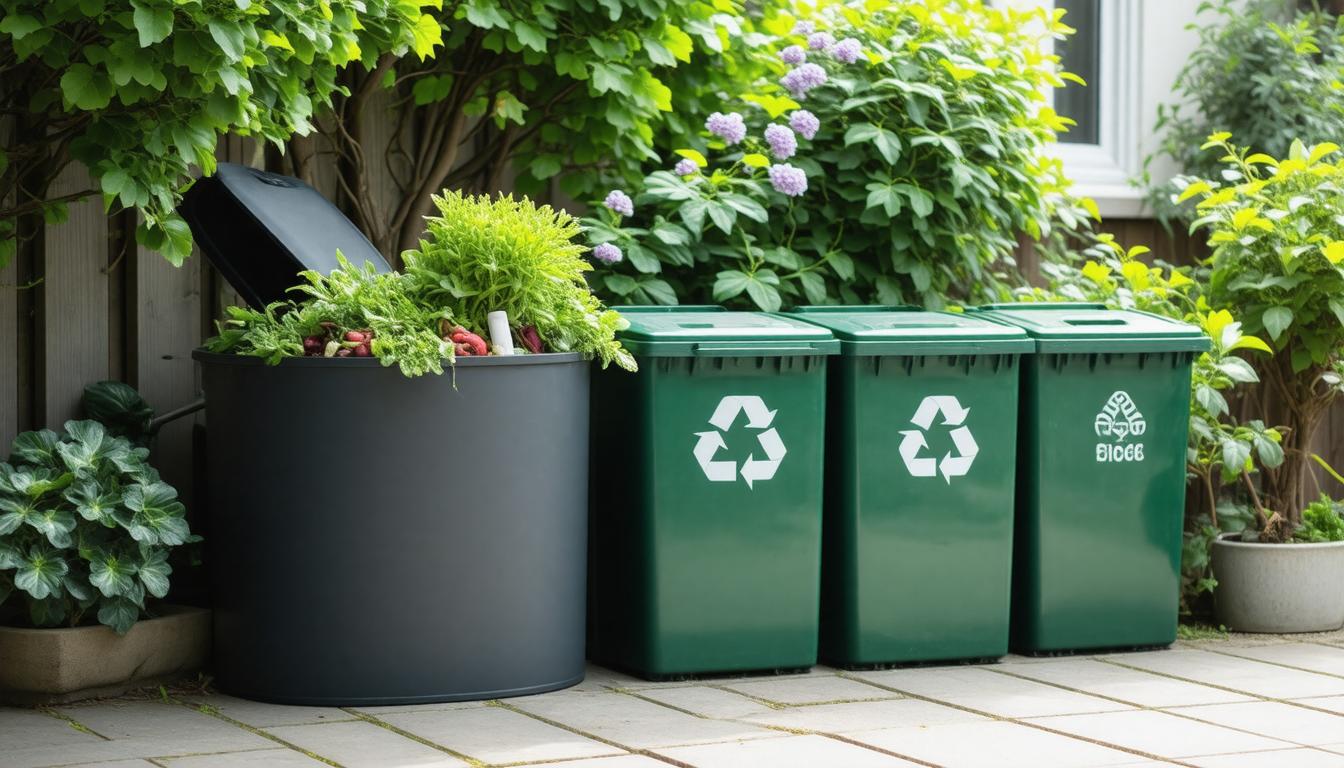
Managing household trash might not be the most exciting topic, but it’s one that affects everyone’s daily life in surprising ways. From keeping neighborhoods clean to protecting the environment, reliable waste services play a key role that often goes unnoticed until something stops working. That’s why understanding how residential waste pickup and disposal really work can make a big difference—not just for keeping your own home tidy, but for supporting healthier, safer communities all around South Central Texas.
Tiger Sanitation offers scheduled curbside trash collection with standard 95-gallon waste carts, with the option to add additional carts as needed. They also provide optional recycling services and large-item pickup upon request, ensuring comprehensive and reliable waste management for residential customers throughout South Central Texas.
Overview of Residential Waste Services
At its core, residential waste service is about convenience and efficiency—making sure your household trash is collected regularly without you having to worry about it piling up. Tiger Sanitation provides a well-organized system by supplying sturdy 95-gallon carts that are picked up on a set schedule. This predictability means customers can plan around service days and avoid the stress of overflowing bins that attract pests or create eyesores in the neighborhood.
What makes this service even more customer-friendly is the option to request additional carts if your household generates more waste than average. Growing families, home renovation projects, or frequent entertaining can quickly fill a standard bin, so having that flexibility ensures you’re never left scrambling for extra disposal solutions at the last minute.
Beyond just regular trash pickup, a comprehensive residential waste program incorporates recycling collection and special pickups for larger items. Recycling services encourage you to separate recyclables like paper, plastics, and metals, which reduces landfill burden and supports sustainability efforts—an area Tiger Sanitation actively promotes within South Central Texas communities. Including recycling as an integral part of your waste routine helps divert tons of material from landfills annually, fostering cleaner air and conserving natural resources.
Large-item disposal also deserves attention since everyday garbage collection isn’t equipped to handle bulky furniture or appliances. Through scheduled appointments or seasonal programs, companies step in to collect these awkward leftovers in a way that’s safe and efficient, sparing homeowners the hassle of hauling heavy objects themselves.
- Scheduled curbside trash removal with reliable timing
- Optional additional waste carts based on household volume
- Recycling pickups promoting eco-friendly practices
- Large item/bulk pickup for difficult-to-dispose items
- Seasonal yard waste and holiday tree collections
What often goes unnoticed is how these layered services collectively contribute to public health and environmental safety. By neatly managing different types of residential waste streams through organized programs, communities reduce risks linked to littering or illegal dumping—problems that can damage ecosystems, invite vermin, or degrade quality of life. Tiger Sanitation’s local roots also mean their services are tailored with South Central Texas needs in mind: from urban San Antonio to the smaller towns scattered across Bexar, Comal, and Guadalupe counties.
“Dependable curbside pickup isn’t just a convenience; it’s the foundation of a cleaner community.”
Ultimately, a close partnership between residents and waste management providers creates a seamless cycle where your trash is removed promptly and processed responsibly. This cycle not only keeps your property looking tidy but also supports wider sustainability goals—something Tiger Sanitation prioritizes after over two decades serving these neighborhoods.
Understanding how these services work together sets the stage for exploring the specific categories of waste handled by such programs—from everyday trash to recycling and yard debris—shedding light on why proper sorting benefits both homes and the environment alike.
Types of Waste: Trash, Recycling, and Yard Materials
Waste isn’t just one uniform pile of discarded stuff; it’s actually made up of distinct categories that require different handling. When you understand these categories, you can better organize your household waste and contribute to environmental sustainability.
Trash typically consists of non-recyclable items that cannot be repurposed or processed further. Think of things like food scraps that can’t be composted, broken plastic products, used tissues, or other everyday debris. These items usually end up in landfills unless otherwise managed. The key here lies in minimizing the volume of trash wherever possible because landfill space is limited and costly to maintain.
On the other hand, recycling presents a valuable opportunity to divert waste from landfills and give materials a new life.
Recycling includes materials like paper, cardboard, glass bottles, aluminum cans, and specific plastics that local facilities can process into fresh products. For example:
- Newspapers become new paper goods
- Glass bottles are melted down for reuse
- Aluminum cans are endlessly recyclable without losing quality
However, contamination is a common problem—mixing non-recyclable items with recyclables can spoil an entire batch. Many companies provide detailed instructions on which plastics or paper products qualify for recycling to help avoid this pitfall.
Beyond everyday trash and recyclables, yard waste is another category many people overlook but greatly benefits from proper management.
Yard Waste
This includes grass clippings, leaves, twigs, small branches — organic materials generated from garden maintenance. Local municipalities often have special rules for yard waste collection because these materials are excellent candidates for composting rather than landfill disposal. Composting breaks them down naturally into nutrient-rich soil amendments that help gardens thrive while reducing methane emissions from landfills.
To make yard waste management easier and eco-friendly, use biodegradable bags or designated green bins if your city provides them. Avoid plastic bags since they slow down decomposition and require separate processing. If your community has a curbside pickup program for yard waste, take advantage of it regularly to keep these natural materials flowing back into beneficial cycles instead of being wasted.
Organizing your household waste by understanding these types not only helps reduce your carbon footprint but also simplifies your weekly cleanup by sorting correctly from the start. This conscientious approach supports sustainability efforts locally while making life cleaner and greener for everyone.
As Tiger Sanitation’s commitment shows — focusing on reliable service combined with sustainability — mastering the details of what goes where means you’re keeping South Central Texas both clean and safe for generations ahead.
Grasping these waste categories sets the stage for practical action at home. Next, we explore how convenient and efficient curbside pickups transform waste disposal into a seamless part of daily life.
Utilizing Curbside Pickups
Curbside pickups aren’t just about convenience—they form the backbone of efficient waste management for countless households. When your trash or recycling is collected right from your curb, it eliminates the hassle of frequent trips to a disposal site. But achieving smooth service means understanding and respecting some practical details that make a big difference.
Placement of your waste bins is one of those details. Bins should always be positioned at the curb with lids securely closed; this keeps materials dry and prevents animals from scattering trash. Yet at the same time, they must not block sidewalks or driveways—a small courtesy that helps neighbors and ensures safety for pedestrians. Setting your bins out the night before collection day often guarantees you won’t miss pickup, especially if schedules shift during holidays or weather events. With Tiger Sanitation’s services, many customers find that these simple habits keep their weekly routine running without a hitch.
You might also consider how far apart you space multiple carts if you use them—for example, separating your recycling bin from your trash by a foot or so can help crews quickly identify which container holds which materials. This small step speeds up collection and reduces errors where recyclables accidentally end up in landfills.
Another invaluable feature in modern curbside programs is technology integration. Services like Tiger Sanitation often offer app-based notifications reminding residents when to put out specific bins. These alerts minimize missed pickups and make planning around busy schedules easier. In fact, staying informed about your collection days can prevent overflow problems that lead to cluttered yards or pest issues.
Furthermore, embracing optional recycling pickups as part of curbside services supports sustainability goals directly from your home. With properly sorted recyclables flowing through these programs, communities reduce landfill burden and conserve resources considerably. For instance, Tiger Sanitation’s commitment to eco-friendly disposal helps South Central Texas neighborhoods participate actively in environmental preservation—not just through individual efforts but via reliable pickup services tailored to fit everyday life.
Remember that regular maintenance of your bins—cleaning them periodically—can prevent odor buildup and keep your waste area inviting and hygienic. Because a clean bin encourages more consistent use, this simple habit feeds into broader community cleanliness and health.
“Reliability paired with simplicity makes curbside pickups a cornerstone of modern residential waste solutions.”
By placing bins thoughtfully, using reminder tools, and combining trash with sustainable recycling practices, you maximize the impact of curbside pickups—saving time, protecting your neighborhood’s environment, and ensuring smooth service every week.
Understanding these everyday habits sets the stage for exploring how environmentally conscious choices in waste disposal can significantly improve community health and sustainability efforts moving forward.
Eco-Friendly Disposal Methods
Recycling stands as a cornerstone of environmentally responsible waste management. It’s essential for households to thoroughly understand their local recycling rules—not every item goes into the bin the same way everywhere. For instance, some places require bottles and cans to be rinsed and sorted separately, while others handle mixed recycling. This attention to detail ensures materials are effectively processed and don’t contaminate entire batches.
Consider that recycling one ton of paper conserves approximately 17 trees and 7,000 gallons of water; these numbers highlight how small actions at home create ripple effects in preserving forests and freshwater resources.
Composting takes sustainable disposal a step further by transforming organic waste into valuable soil nutrients rather than landfill burden. Food scraps like vegetable peelings or coffee grounds, along with yard trimmings such as leaves or grass clippings, are perfect candidates for compost bins. Whether you have space for a backyard compost pile or participate in a community program offering curbside organics collection, composting actively diverts materials from landfills where they would produce methane—a potent greenhouse gas.
Instead, this natural process enriches garden soil, supporting healthier plants and reducing the need for chemical fertilizers.
Yet not all waste fits neatly into recycling or composting categories. Hazardous materials—think batteries, leftover paint, motor oil, or household chemicals—pose serious risks if discarded improperly. These substances can leach toxic pollutants into soil and waterways, threatening ecosystems and human health.
It’s critical to treat hazardous waste with special care by consulting local government resources for designated collection days or permanent drop-off centers. Some municipalities partner with companies like Tiger Sanitation to organize convenient hazardous waste events, ensuring safe disposal practices that protect both communities and the environment.
One practical tip for households looking to optimize eco-friendly disposal is to keep separate containers for recyclables, compostables, and hazardous items clearly marked and accessible. This habit reduces confusion and contamination while making sorting effortless on collection day.
Also, stay informed through your waste provider’s website—for example, Tiger Sanitation offers detailed guidance tailored to South Central Texas residents about what can be recycled or composted locally, alongside scheduled pickup services.
Taking these steps transforms routine trash removal into a meaningful contribution toward sustainability.
Mastering these eco-conscious disposal habits empowers homeowners to play an active role in maintaining cleaner neighborhoods while nurturing the environment throughout the region. The ripple effects extend beyond individual households into broader community initiatives driving long-term sustainability efforts.
Community Impact and Sustainability
When we talk about waste services making a difference, it’s important to realize they touch every corner of our daily lives. Clean streets, reduced odors, fewer pests—all contribute to a neighborhood where people want to live and raise families. Tiger Sanitation’s commitment to reliable, eco-friendly residential waste pickup directly supports this by ensuring trash and recyclables don’t pile up or become nuisances. Maintaining that rhythm of regular collection fosters healthier living spaces and instills community pride.
But sustainability is more than just keeping things tidy; it’s about safeguarding natural resources for generations ahead. Proper disposal and recycling reduce the demand for raw materials while conserving energy. For example, recycling aluminum saves up to 95% of the energy compared to producing it from ore. That’s a big deal when multiplied across an entire city like San Antonio. Waste management companies like Tiger Sanitation are critical partners in making these environmental dividends possible because their systems enable residents to easily separate recyclables and ensure they’re processed correctly.
The social impact doesn’t stop there. By promoting eco-friendly disposal options and providing additional services such as large item pickups and roll-off dumpsters, sanitation services help prevent illegal dumping—a costly problem that blights communities and strains municipal resources. Reducing illegal dumping keeps neighborhoods safer, minimizes water pollution, and protects wildlife habitats nearby.
Consider this: neighborhoods with consistent curbside pickup and recycling programs tend to report 20–40% fewer incidents of illegal dumping compared to areas without such services. This statistic underscores how structured waste management plays a central role in overall community health and cleanliness.
Getting involved as a resident can amplify these effects—even simple habits like properly sorting waste or requesting additional recycling carts can make a noticeable impact. Participation helps long-term sustainability goals and enables companies like Tiger Sanitation to optimize routes, reduce emissions from trucks, and offer tailored solutions that meet community needs better.
“Our families live, shop, and play here too,” Tiger Sanitation reminds us—meaning that eco-responsibility isn’t abstract; it starts with neighbors looking out for each other’s well-being through smart waste practices.
Ultimately, consistency matters most—the small weekly acts of placing bins curbside, separating recyclables correctly, or calling for bulk item pickup add up over time. Collectively, they create a cleaner environment while conserving precious resources. For communities spread across South Central Texas—from San Marcos to New Braunfels—this approach ensures not just a service but a shared promise of stewardship that benefits everyone.
With these foundational practices fueling community health, exploring everyday habits that reduce household waste becomes the natural next step toward living responsibly and sustainably.
Tips for Reducing Household Waste
Reducing household waste begins with conscious daily habits that, over time, become second nature. One of the simplest ways to cut down on waste starts before you even bring products home. When shopping, prioritize items with minimal or recyclable packaging and buy in bulk whenever possible. Bulk purchases mean fewer packages overall—a smart move that reduces landfill contributions substantially.
Don’t forget to carry reusable bags and containers; this small habit can eliminate a significant portion of single-use plastics that flood our environment every year.
Think of your shopping habits like casting votes for the kind of world you want. By choosing eco-friendly packaging and refusing excess plastic, you send a message to manufacturers that sustainability matters.
When it comes to reusing and recycling, think of waste reduction like eating an elephant — you take it one bite at a time. Start by reusing common household items such as glass jars or sturdy containers; they make excellent storage solutions rather than ending up discarded after a single use.
Old clothes have a second life too, turning into cleaning rags or craft materials with a little creativity. Repurposing items not only cuts waste but also adds uniqueness to your home while saving money.
Once these habits start shaping your routine, the next crucial aspect is bringing everyone in the household on board.
Educating family members about why waste reduction matters—and how to do it—is essential for consistent results. Creating simple resources helps make this process easy and clear.
For instance, having a visible chart in the kitchen listing out:
- What items are recyclable (like plastics labeled #1 and #2, paper, metals)
- Which materials can be composted (food scraps, paper towels)
- Clear instructions about proper disposal methods for tricky items like batteries or electronics
Empowering everyone with this knowledge ensures that recycling bins aren’t contaminated with non-recyclable trash—a problem that often leads entire batches of recyclables to be sent to landfills instead.
As Tiger Sanitation has seen serving South Central Texas, households that adopt these actionable waste reduction tips contribute not only to cleaner neighborhoods but also support local sustainability efforts by easing the strain on curbside pickup services. It’s amazing how small changes multiplied across thousands of homes result in cleaner communities and healthier environments.
“Small actions accumulate into big impacts over time,” as we say at TigerSanitation.com, where community care is part of our mission every day.
For more ideas on managing residential waste efficiently and making sustainable choices easy, visit our website: https://choosetiger.com.
Embracing mindful waste practices benefits not just individual households but uplifts entire communities by fostering cleaner neighborhoods and a greener future.