

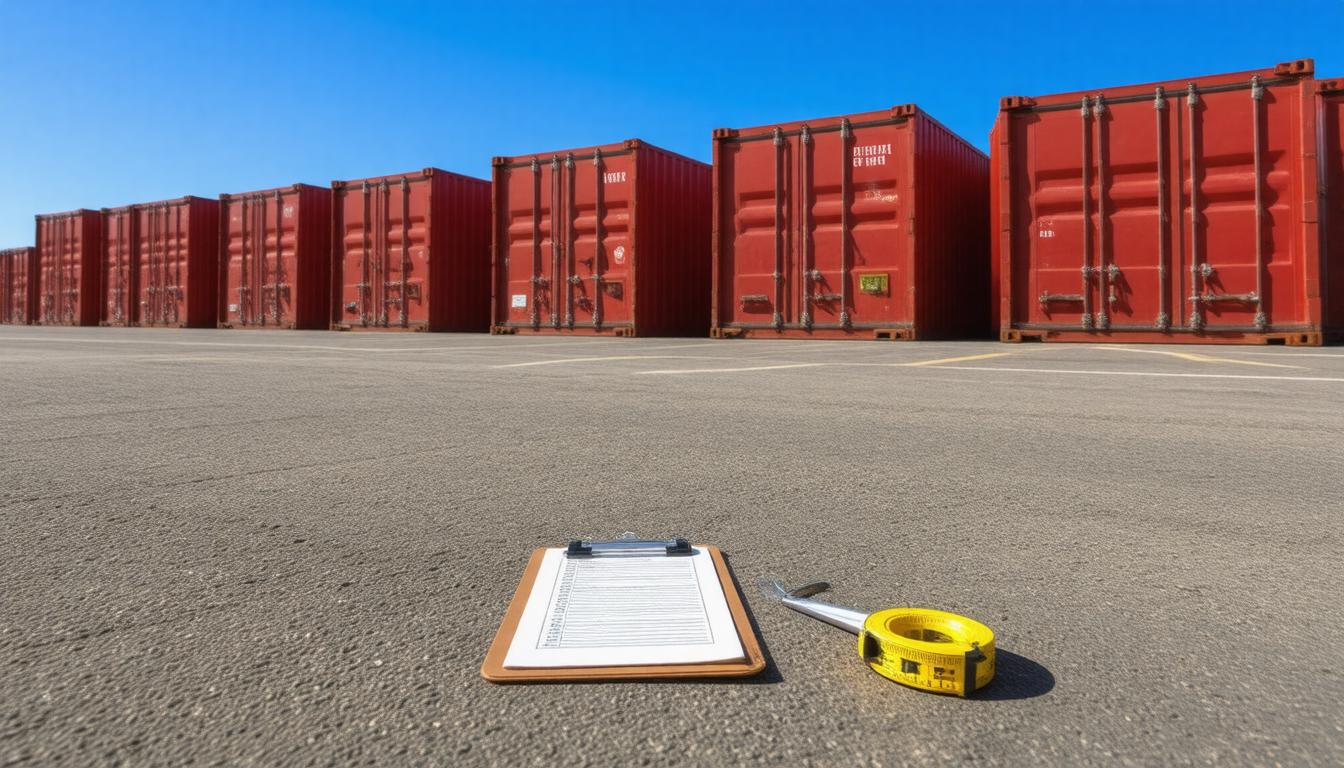
Moving or storing your stuff can feel like a big headache—finding a safe spot, juggling timing, and squeezing everything into tight spaces isn’t easy. Portable storage containers offer a simple solution that puts you in control: tough, weatherproof boxes delivered right to your door so you can pack at your own pace. If you’ve ever wished for a bit more flexibility and less stress during a move or cleanout, these containers might be just what you need. Let’s dig into how they work and why they’ve become popular choices for both moving and outdoor storage.
Portable storage containers are durable, weather-resistant steel units designed for temporary or long-term storage and moving needs, offering flexibility to be delivered to your location and picked up when done. When choosing a container, consider factors such as size options (ranging from 7 to 16 feet), condition (new vs. used), locking security, rental duration terms, and the reputation of the provider to ensure your belongings remain safe and accessible throughout your move or storage period.
The Basics of Portable Storage Containers
Portable storage containers are essentially sturdy, weather-resistant steel boxes designed to keep your belongings safe during transport or outdoor storage. Their construction prioritizes durability; steel is commonly used for its ability to withstand rain, wind, and impacts, preventing moisture and pests from damaging anything inside. This robustness is crucial because these containers often face outdoor environments for extended periods.
These containers come in a few standard sizes—usually around 7, 12, and 16 feet long—tailored to different needs. A small 7-foot unit can hold enough for a studio or small apartment’s worth of furniture and boxes, while the larger 16-foot versions are built for entire households or commercial equipment. Choosing the right size matters because using a container that’s too large can be costly and inefficient, whereas too small might not fit all your stuff or force you into multiple shipments.
What sets these portable storage solutions apart is their flexibility and convenience. Rental companies like PODS, U-Haul U-Box, and others offer door-to-door delivery where the container is dropped off at your location, allowing you to load at your own pace before it’s picked up and transported. This means no frantic last-minute packing in a moving truck — you get the luxury of time combined with professional logistics support.
Security features add another important layer to their design. Most containers have lockable doors reinforced with steel bars and weatherproof seals to keep out humidity and prevent break-ins. For those storing valuable items outdoors or in less secure areas, these features provide peace of mind beyond simple storage bins or makeshift solutions.
Here’s a brief look at typical container specifications to give a sense of scale:
| Size | Dimensions (L x W x H) | Weight Capacity | Common Use Cases |
|---|---|---|---|
| Small | 5 ft x 7 ft x 7 ft | ~1,000 lbs | Small apartments, seasonal storage |
| Medium | 8 ft x 7 ft x 7 ft | ~2,500 lbs | Partial household moves |
| Large | 16 ft x 8 ft x 8 ft | ~5,000 lbs | Full home moves, commercial storage |
Rental durations vary widely—from short-term usage of a week or two during moves, to months or even year-long contracts for ongoing outdoor storage needs. Picking the right timeline can lower costs significantly while reducing stress during transitions.
If you plan strategically and opt for reliable providers offering clear scheduling and good customer support, portable storage containers become an incredibly practical tool for moving or safeguarding your possessions under varying conditions.
With this understanding of what portable storage containers are made of and how they function day-to-day, it becomes essential to consider how their benefits translate into real-world advantages and savings tailored to your unique moving or storage challenges.
Advantages of Portable Containers
One of the most compelling reasons people choose portable storage containers is their flexibility in scheduling. Unlike traditional storage units or moving services that operate on fixed hours or tight timelines, these containers can be delivered exactly when you need them and picked up at your convenience. This means if you suddenly decide to delay loading due to unforeseen circumstances, you have the freedom to do so without rushing or paying expensive last-minute fees. It’s like having your own private storage unit right in your driveway.
Scheduling flexibility also translates into reduced stress. Moving often comes with a mountain of tasks. Having control over when your container shows up means fewer overlapping errands and better time management. You don’t have to carve out entire days waiting for movers or truck arrivals — instead, you can work at your own pace. This alone makes portable containers an attractive choice for busy households juggling multiple responsibilities.
Security is another essential advantage these containers provide. Most feature heavy-duty steel construction combined with reinforced locking mechanisms, such as cylinder or disc locks that are tamper-resistant. This ensures your belongings stay safe from theft or unauthorized access throughout the rental period — whether the container sits in a parking lot or outside your home. For many, this peace of mind is invaluable compared to leaving possessions vulnerable during a DIY move or a long-term yard storage situation.
What further boosts the security factor is that many rental companies allow customers to supply their own locks if they prefer, giving an added layer of personal control over container safety. This ability to customize protection reassures users that their items remain exactly where they should be — untouched and secure.
Durability plays an equally vital role in why portable containers have become the go-to option for moving and outdoor storage alike. They’re constructed from weather-resistant steel or tough plastic composites designed to withstand rain, snow, wind, and intense sun exposure—keeping contents dry and intact for extended periods under harsh conditions. Whether you face muggy humidity or freezing winter frost, these containers shield everything inside from damage caused by temperature fluctuations or water intrusion.
This rugged build means you don’t have to worry about delicate furniture warping, electronics short-circuiting, or valuable documents getting soaked during transport or storage — conditions that are all too common with less robust alternatives. The material quality extends the lifespan of both the container and your possessions stored within it, ultimately making it a worthwhile investment even beyond a single move.
Convenience also factors heavily into the user experience with portable storage containers—and it goes beyond just picking them up and dropping them off whenever needed.
Accessibility is a major selling point: you maintain control over when and how you access your belongings while the container stays onsite. Unlike traditional self-storage facilities that enforce strict hours, require appointments, or limit access due to security reasons, portable containers give immediate entry anytime while they’re physically at your location.
Imagine you’re midway through packing and suddenly need an item tucked away last week — no problem! You simply open the container door yourself rather than dealing with facility rules or scheduling conflicts with managers. This direct access makes organizing smoother and less hectic since you’re not relying on others’ timetables; you’re in charge every step of the way.
Data confirms this ease-of-use advantage: a recent survey found that 85% of users rated portable storage containers as more convenient than traditional moving methods—a figure reflecting how crucial flexibility and autonomy are when managing complex relocations or seasonal storage needs.
Together, these benefits — flexible timing, strong security features, durable construction, and unrestricted access — create a compelling package for anyone planning a move or temporary storage solution. These factors explain why portable storage has surged in popularity across residential and commercial markets alike, offering practicality that adapts seamlessly to individual lifestyles and challenges.
Having established what makes these containers attractive choices, it’s essential next to consider how rental costs and various service options combine to shape their overall value.
Understanding Rental Costs and Services
Rental costs for portable storage containers depend on several interwoven factors, which can sometimes confuse even experienced renters. The price doesn’t just reflect the container itself; it also includes delivery, pickup, rental duration, and any additional features you might need. For example, distance is a big driver—moving a container a few blocks costs much less than sending one across the country.
To illustrate this point:
| Distance | Average Cost (16 ft container) |
|---|---|
| Local Move | $150 – $300 |
| 500 miles | $1,200 – $2,000 |
| 1,000 miles | $2,500 – $3,500 |
This table highlights how dramatically transport distance alone impacts pricing. A local move is on the low end; long hauls can multiply costs by tenfold or more.
Beyond distance, rental duration matters. Containers are typically rented on a month-to-month basis. Longer rentals may come with discounts—or special bundled services like free delivery or included locks—but they lock you into commitments that not everyone wants. For shorter projects like remodeling or a quick move, paying a bit more per month for flexibility is often worth it.
Another key factor is timing within the year. Peak moving seasons in spring and summer usually drive up costs due to higher demand and limited availability. By contrast, booking in off-peak months like late fall or winter can save you hundreds of dollars. This seasonal dynamic plays especially strong roles in busy metro areas such as Los Angeles or Chicago, where storage container demand surges alongside population growth.
Some rental companies sweeten the deal with promotional offers, reducing rates by 20–30%. For example, PODS frequently runs 25% off promotions during slower months, bringing cost-effective options closer to permanent self-storage prices. Though deals fluctuate, keeping an eye on reputable providers’ websites and signing up for alerts can help you snag these savings.
As for container types, standard units vary not only in size but features too—think double doors for easy access versus basic single-door models. Upgrades like climate control are available to protect sensitive items but add to monthly fees substantially. Adding shelving or loading ramps enhances convenience but can also increase your overall bill.
Delivery and pickup fees often catch renters by surprise. These charges cover labor, fuel surcharges—which fluctuate with oil prices—and logistical complexities like tight urban streets or long rural routes. On average, expect about $150 for local delivery plus similar pickup fees. Knowing these upfront saves headaches later.
When comparing providers, it’s wise to consider their service area coverage and reputation alongside price transparency. Hidden fees can add up quickly if not outlined clearly in account agreements. Good customer support makes a difference too—imagine needing last-minute support during your move but having no one reliable to call.
Always read your lease agreement carefully before signing. Look for details on rental length flexibility, billing policies including late fees, insurance options protecting your belongings as well as damage waiver protections typically costing about $15 per month.
At ChooseTiger.com, we emphasize transparency and personalized service helping customers select containers tailored to their precise needs while avoiding surprise fees—because trusting who you rent from is just as important as the container itself.
With these various factors in mind—from distance and timing to container features and provider reliability—you stand better prepared to make choices that fit your specific storage needs effectively. Next, exploring the right size and type of container will help optimize your investment further.
Selecting the Right Container Size and Type
Choosing the appropriate portable storage container means balancing your specific needs against practical realities. It’s like picking shoes—not only does the fit have to be just right, but they also need to match the conditions you’ll encounter. A 7-foot container, compact and easy to handle, fits perfectly for studio apartments or when storing a few essential items. However, as your belongings multiply or your living space grows larger, that size quickly becomes impractical. For multi-room homes, opting for a 12-foot or the popular 16-foot container provides enough room without overwhelming your space or budget.
The decision isn’t simply about volume but also accessibility. Larger containers mean more walking inside and careful stacking, while smaller ones require strategic packing to maximize every cubic foot. A 16-foot container, measuring roughly 16′ x 8′ x 8′, can fit approximately 1,200 square feet of household items—comparable to a full three- or four-bedroom home move. Knowing these spatial benchmarks helps avoid renting too large a container where unused space drives up costs or too small one requiring multiple trips.
Beyond size, the materials used in container construction affect durability and cost. Steel containers offer superior protection from weather and physical impacts but come with higher price tags. Wooden containers are lighter and often less expensive but tend to be less resistant to moisture and environmental wear. Consider how long you plan to rent, the climate of your location, and what you’ll store inside.
| Container Material | Durability | Weather Resistance | Typical Use |
|---|---|---|---|
| Steel | Very High | Excellent | Long-term outdoor storage |
| Wood | Moderate | Limited | Short-term indoor storage |
Many leading providers such as 1800-PACK-RAT specialize in steel containers designed with a sturdy frame to withstand moving hazards and harsh weather conditions. These are perfect if your priority is maximum protection and security over longer periods.
Alternatively, brands like CubeSmart offer wooden containers which excel when used indoors or for brief storage needs where ease of movement takes precedence over ruggedness.
Assess not just what container fits your belongings — think about where it will be placed, whether it’ll face rain or snow, and how long you intend to keep your possessions stored. Taking time upfront saves headaches later.
After choosing the right container size and material, organizing and loading it efficiently becomes paramount to safeguarding your belongings during transport or storage. Mastering these techniques will help ensure everything fits securely and minimizes damage risks.
Effective Loading and Organizing Tips
Loading a portable storage container isn’t just about tossing things inside; it’s a careful process that, when done well, safeguards your belongings and eases both packing and unpacking. Planning your layout with intention pays off, especially when dealing with large or fragile items. The heaviest pieces—like appliances, dressers, or bulky furniture—should always go on the bottom. This not only creates a stable base but also protects lighter or more delicate boxes stacked above from being crushed under weight.
A crucial part of planning is measuring your big items before you start packing. Knowing their dimensions helps you sketch a mental—or even physical—loading map, so you avoid shuffling things around later. Disassembling furniture when possible simplifies this too; taking apart table legs, bed frames, or shelving units frees up flexibility in arranging the container. Remember to label hardware bags clearly and tuck them safely inside the respective furniture item so nothing goes missing in transit.
With the heavy hitters out of the way, attention moves to protecting fragile items—a step that demands patience and care.
Wrapping delicate possessions in bubble wrap or moving blankets is essential for cushioning against bumps and jolts during transport. Smaller fragile items should be packed into sturdy boxes marked clearly as “fragile.” For valuables like artwork, mirrors, or flat screens, storing them upright with padding on all sides prevents pressure damage. Although UNITS® containers are designed to be weather-resistant, using plastic bins and moisture absorbers adds an extra layer of protection against humidity or unexpected dampness.
Securing everything inside the container also matters immensely to prevent movement as the container shifts during travel or handling. Ratchet straps are excellent tools here—anchoring heavy furniture against the container walls keeps things firmly in place and avoids tipping or sliding accidents. Filling gaps with soft materials like pillows or blankets serves double duty: it cushions fragile boxes and stops all contents from shifting around.
Maximizing space often feels like solving a puzzle—placing smaller and softer items strategically ensures every inch counts without compromising safety.
Uniform-sized moving boxes simplify stacking by creating neat layers that hold steady rather than precariously leaning stacks that can topple over. Placing soft items like blankets or pillows into cracks fills empty spaces and stabilizes stacks while adding protective padding. Additionally, organizing your packing room-by-room streamlines unpacking because items from each area stay clustered together.
Take your time loading—it’s tempting to rush, but careful organization now means less stress later on. Labeling boxes clearly speeds finding what you need later without turning your unloading into a scavenger hunt. When you finish packing, don’t forget to do a final walk-through of the container to make sure everything is secure, accessible if needed, and protected from damage.
“A well-packed container isn’t just about fitting stuff inside—it’s about ensuring peace of mind through organization and protection.”
Thoughtful loading ensures your belongings remain safe and makes your experience smoother from start to finish. Whether moving cross-country or simply clearing clutter for renovation, consider these tips as your blueprint for success with portable storage containers like those offered by UNITS®. Their durable design combined with smart packing strategies helps protect what matters most—your things.
For expert advice and rental options tailored to your needs, visit choosetiger.com, where we connect you with reliable storage solutions designed to fit every situation.
Having established how to load and protect your items effectively within a portable storage container, it’s now important to consider other storage options available that might better suit different needs or circumstances. Exploring these alternatives can provide additional flexibility and convenience.
Other Storage Alternatives
While portable storage containers bring flexibility and ease right to your doorstep, it’s important to consider other storage solutions that might better suit certain circumstances. Traditional self-storage units, for instance, stand out when long-term storing is a priority and frequent access to your belongings is needed. These units, often found in facilities like CubeSmart, typically come at a lower monthly cost compared to portable containers. They require you to visit the facility yourself, which means more effort but fewer delivery fees and no worries about timing the loading or unloading process within limited days.
Warehouse storage takes this concept even further, primarily catering to commercial or bulk storage needs. Imagine a business needing to store large amounts of inventory or equipment; warehouses offer vast spaces at competitive prices. However, this option demands more planning: arranging transport to and from the warehouse and coordinating access hours. It’s less flexible than having a container parked at your home but can provide economies of scale if volume is large enough.
Truck rentals appear attractive — especially for one-off moves — because they can carry everything in one trip. But trucks don’t offer the pause-and-load convenience that portable containers do. You’re usually on a tight timetable, with rental periods charged by the day, which may push up labor costs as you rush packing and unpacking. Plus, moving trucks are not designed for secure long-term storage outside transit, making them less practical if you want to stagger your relocation or keep items stored for weeks.
When weighing these options side-by-side, two things often stand out: convenience and cost. Portable containers excel in convenience—you load at your pace, they stay put while you pack or unpack—yet sometimes come with a premium price tag. Self-storage units might trim costs if ongoing access isn’t critical but add transportation hassle. Warehouses scale well for businesses but aren’t ideal for typical homeowners due to complexity. Truck rentals fill a niche for fast moves but lack flexibility and security beyond transit.
| Storage Type | Ideal Use | Cost Consideration | Access Convenience | Security |
|---|---|---|---|---|
| Portable Storage Containers | Residential moves & short-term onsite storage | Moderate to high | Very convenient (onsite) | Secure with weatherproof containers |
| Traditional Self-Storage Units | Long-term storage & frequent access | Low to moderate | Moderate (facility visits required) | Secure physical facilities |
| Warehouse Storage | Commercial & bulk storage | Often lowest per volume | Restricted (scheduled access) | High |
| Truck Rentals | One-time moves | Variable; often higher labor fees | Least convenient (time-limited) | Low (not designed for storage) |
The key when selecting any of these is assessing your own timeline, budget flexibility, and how much hands-on involvement you want in moving your things around. Neither convenience nor low cost should be sacrificed without balance.
If you’re looking for detailed guidance tailored to your exact needs—whether you’re considering portable container rentals from companies like Zippy Shell or PODS or contemplating traditional self-storage—exploring expert reviews can save time and money.
Sites like ChooseTiger.com break down pricing trends, service features, and user experiences across major providers so you get solid insights before committing.
By thoughtfully comparing each storage type’s strengths and limitations, your decision becomes clearer—and your next move smoother.
Selecting the right storage solution ultimately hinges on balancing convenience, cost, and your personal needs. With informed choices and reliable resources at hand, managing your move or storage becomes significantly less stressful.