

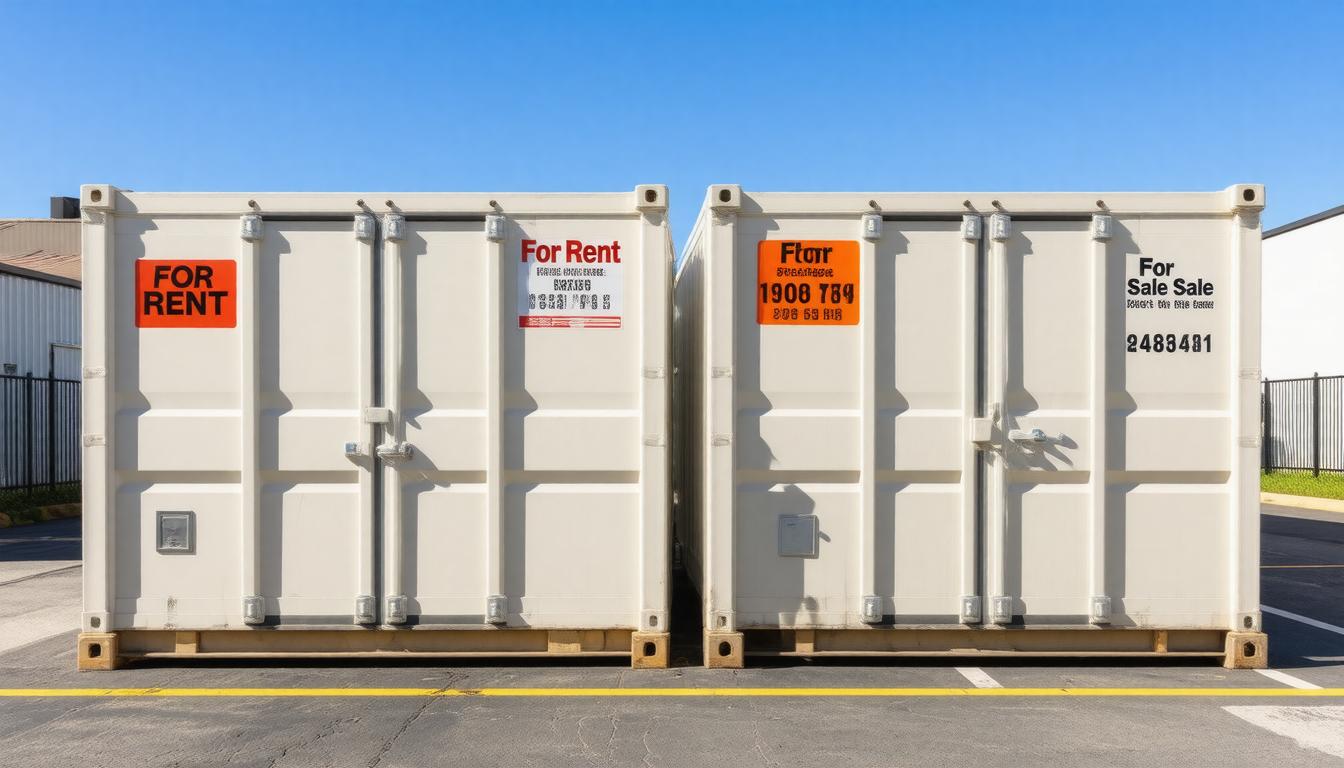
Moving and storing your stuff can feel like a puzzle with too many pieces—tight schedules, limited space, and worrying about whether everything will arrive safe and sound. That’s where portable storage containers step in to make life easier. These sturdy boxes come right to your door, letting you pack when it suits you, with the peace of mind that your things are protected from weather and theft. If you’ve ever wished for more control over moving or storage without extra headaches, this guide walks you through what portable containers offer and how to pick the best fit for your needs.
Portable storage containers are durable, weather-resistant units delivered to your location for easy loading and secure transport of your belongings. They offer flexible solutions for moving, temporary on-site storage, or long-term storage needs, often available in various sizes to fit different volumes and budgets.
Portable Storage Containers Overview
Portable storage containers have transformed the moving and storage landscape by providing a flexible alternative to traditional services. Instead of rushing to load or unload a rental truck in one go, these containers are delivered right to your doorstep, giving you the freedom to pack at your own pace. When you’re ready, the company transports the container either to your new home or to a secure storage facility. This ease of use has led many homeowners and businesses to rely on portable storage as their preferred option.
What makes these containers especially appealing is their adaptability. Whether planning a local move, needing short-term storage during renovation, or arranging a long-distance relocation—portable containers handle all of these scenarios efficiently. For people who value convenience and control over their moving timeline, this method reduces stress significantly compared to conventional moving trucks that require tight schedules.
Several well-known brands dominate the market: PODS is praised for its range of container sizes and nationwide reach; 1-800-PACK-RAT offers durable steel containers with strong security features; U-Haul’s U-Box service combines affordability with DIY flexibility; and Zippy Shell provides an innovative shell design that simplifies loading in tight spaces. Each brand brings something unique—from delivery options to pricing structures.
Here’s a quick look at the major players:
| Brand | Container Sizes | Material | Notable Features |
|---|---|---|---|
| PODS | 7 ft to 20 ft | Weather-resistant steel | Variety of sizes, nationwide reach |
| 1-800-PACK-RAT | Various robust sizes | Corten steel | Tamper-proof locks, longer rental options |
| U-Haul U-Box | Modular stackable boxes | Plastic | Ideal for small moves, combined shipping/storage |
| Zippy Shell | Custom shell design | Steel + protective shell | Easy placement in driveways |
While these options give you room to choose based on size and budget, understanding factors like durability, cost, and security features will guide your choice further. Next, we shift focus toward key advantages that make portable containers a worthy choice in modern moving solutions.
Benefits of Using Portable Containers
The appeal of portable storage containers lies largely in their ability to offer unmatched convenience. Unlike traditional moving vans, which require you to pack everything in a single go and then move on a tight schedule, portable containers are delivered straight to your doorstep. This means you can take your time loading them carefully, organizing items just the way you want.
This flexibility decreases stress and lets you work at a comfortable pace, which can be a rare luxury during a move or renovation project.
In fact, about 70% of users reported that this very convenience was the main reason for choosing portable containers instead of juggling between multiple trips to a self-storage facility or coordinating with rental trucks. You aren’t forced into a last-minute scramble; you own your timeline.
Alongside convenience, cost-effectiveness is a significant draw. When you rent portable storage containers, there’s often no need for expensive short-term truck rentals or repeated hauls carrying loaded boxes to distant storage units. This reduction in logistical complexity translates directly into savings.
Studies show that users can reduce their overall moving expenses by up to 30% when compared to relying solely on professional movers or renting moving trucks. This is because portable storage reduces the number of physical moves: load once, keep your belongings safely stored on-site or ship them efficiently without the usual back-and-forth.
Additionally, these containers tend to be made from durable, weather-resistant steel, offering protection from elements—an advantage over makeshift storage solutions or wooden crates that wear out faster. Their robust build ensures your items remain shielded from moisture and damage over transport or extended storage periods.
For those managing complex moves or longer-term projects, portable containers also offer flexible rental terms. Whether you need it for just a week or several months, many providers accommodate varied schedules without penalizing early returns or date changes. This adaptability makes them perfect not just for moving but for home renovations, decluttering, or businesses needing temporary storage.
“The ability to control loading and unloading timing without rushing allowed me to avoid costly rescheduling fees,” shared one satisfied customer after using PODS for a long-distance move.
Finally, from a security standpoint, portable containers give peace of mind. Quality lock options and sturdy construction mean your possessions are less vulnerable than when stored in typical rental trucks where theft or damage risks can be higher.
Understanding the clear advantages of portable storage containers lays the groundwork for evaluating whether renting these solutions makes more sense than purchasing one outright. Next, we explore how these two approaches stack up against each other in terms of cost, flexibility, and long-term benefit.
Comparing Rental vs. Purchase
Renting a portable storage container shines brightest when your storage needs are temporary. Whether you’re moving houses, managing a renovation project, or handling seasonal inventory fluctuations, rentals provide flexibility that matches short-term demands seamlessly.
Rental companies often offer contracts ranging from weekly to monthly payments, allowing you to scale usage up or down without long-term commitments. This means you only pay for the container as long as you need it, freeing up cash flow for other priorities.
Plus, the responsibility for maintenance and repairs largely falls on the rental provider, which can relieve you of unexpected hassles during busy times.
Purchase Benefits
On the other hand, purchasing a container represents a strategic investment if your storage needs extend beyond a few months or if you require ongoing access. Ownership grants complete control over your container — you decide where it lives, when it’s moved, and how it’s modified.
Customization is far less limited compared to rentals; adding shelving, climate control units, or electrical setups becomes straightforward with ownership. This makes purchased containers highly attractive for businesses that rely on consistent storage solutions or for homeowners wanting a permanent decluttering option.
While the upfront cost is higher than renting, ownership often proves more economical over several years since there are no recurring rental fees. Moreover, owning your container offers peace of mind: no concerns about lease terms ending mid-project or sudden price hikes.
| Factor | Rental | Purchase |
|---|---|---|
| Duration | Best for short-term use | Best for long-term use |
| Initial Cost | Low upfront payment | Significant upfront investment |
| Flexibility | High; easy to start/stop | Lower; tied to asset |
| Customization | Limited; mostly standard units | Full customization freedom |
Understanding these differences helps clarify which option aligns best with your current needs and future plans. With this foundation in mind, next we examine how various container sizes cater to diverse storage and logistical requirements.
Container Sizes and Use Cases
Portable storage containers come in a variety of sizes designed to fit everything from small personal moves to massive commercial operations. Picking the right size isn’t just about fitting your belongings—it’s about optimizing space, time, and cost.
For example, a 7-foot container is perfect for someone moving out of a studio apartment or needing compact on-site storage. It’s like having a mini-warehouse that can easily fit into tighter spaces without disrupting your yard or driveway.
Stepping up in size, the 12-foot container hits a sweet spot for most urban dwellers managing 1 to 2-bedroom apartments. This size balances accessibility with capacity, offering enough room for furniture, boxes, and a bit of equipment without overwhelming your site or budget.
If you think of it visually, it’s roughly the equivalent of packing two or three rooms’ worth of belongings—enough to get the job done efficiently without paying for surplus space.
For larger households or businesses, the 16-foot container is often the go-to solution. It holds plenty—imagine all the items in a 3 to 4-bedroom home or even the contents of a standard garage crammed neatly inside.
Choosing this size means fewer trips if you’re moving or better organization if used for storage, but it also requires ensuring you have enough outdoor space to accommodate it securely.
“Selecting the right container size isn’t just about volume—it saves money and effort by preventing under- or over-sizing.”
When figuring out your ideal container size, take careful inventory of what you’ll be storing or moving. Overestimating leads to paying for wasted space; underestimating means multiple hauls and added hassle.
Think through your belongings’ dimensions and quantity as if you were arranging them in your home—this mental exercise helps match needs with available container sizes.
| Container Size | Approximate Dimensions (ft) | Ideal Use Case | Typical Capacity |
|---|---|---|---|
| 7 ft | 7 x 5 x 7 | Studio apartments, small storage | Small furniture, boxes |
| 12 ft | 12 x 8 x 8 | 1-2 bedroom apartments | Furniture from multiple rooms |
| 16 ft | 16 x 8 x 8 | 3-4 bedroom homes, business use | Household contents, garage items |
Also consider accessibility factors—how easy will it be to load and unload? Smaller containers fit into narrow driveways and tight urban spaces more easily. Larger units need more clearance but deliver greater storage density.
Whether you’re renting or buying, the right size fits your location constraints as much as your storage goals.
Understanding these size variations reveals how critical planning is before choosing a container. With space demands clear, attention naturally shifts to another vital aspect: ensuring that whatever you store remains protected against harsh conditions and wear over time.
Weatherproof and Durable Features
When investing in a portable storage container, its durability against Atlanta’s ever-changing weather patterns is paramount. With sudden rain showers, high humidity, and even harsh summer heat, the materials used in construction play a foundational role in ensuring your stored items remain safe and dry.
Most quality containers are crafted from heavy-duty steel or aluminum, then treated with weather-resistant coatings to shield against rust and corrosion. This is not merely about durability for appearance’s sake; it’s a crucial barrier that ensures your container withstands years of Tennessee’s wet spells without becoming a leaking, weakened shell.
Some premium models from providers like Tradecorp enhance this protection even further by incorporating insulated walls, floors, and roofs. This insulation not only guards against temperature swings but also reduces condensation inside your container — a hidden enemy that can quietly damage delicate items or cause mold growth over time. Choosing an insulated container is especially valuable if you’re storing sensitive equipment or seasonal goods that could suffer in extreme heat or cold.
Beyond the robust materials, pay close attention to the container’s sealing mechanisms. A solid container isn’t just about its metal frame but also about how well it keeps out moisture, dust, and pests. Look for airtight seals around all doors and access points—rubber gaskets applied along door edges effectively prevent water seepage during downpours and block out insects trying to make uninvited visits. Providers such as 1-800-PACK-RAT have engineered these details meticulously; their customized seals give extra peace of mind knowing your belongings won’t get damp or contaminated.
Another often-overlooked but vital feature is the flooring inside your container. The floors should be water-resistant and anti-slip, ensuring that even if water somehow infiltrates during transit or placement on moist ground, your belongings stay protected from pooling moisture and shifting around.
Vinyl or treated plywood floors combined with proper drainage gaps create an environment where nothing remains trapped or soggy underfoot. This thoughtful design reduces long-term wear on stored items while enhancing safety during loading and unloading.
Considering Atlanta’s humid climate and frequent rainstorms, having these weatherproof traits in your storage container provides practical benefits beyond mere convenience—it safeguards your investment. Your furniture won’t warp due to moisture; your electronics won’t short-circuit from unexpected dampness; contractor tools won’t rust prematurely just sitting idle between projects. When carefully choosing these features upfront, you avoid costly replacements later on.
And one more tip: always verify with storage providers about custom adaptations they offer—like added ventilation for airflow or upgraded seals for extreme weather scenarios—especially if you anticipate using the container outdoors for extended periods. Tailoring a unit to meet specific environmental challenges ensures the longevity of both the container itself and the things inside it.
Understanding these durable construction and weatherproofing essentials equips you to choose a portable storage container built to stand strong through Atlanta’s rainy days and blazing sun. Next, we turn our focus to how protecting your stored items goes beyond just physical shelter—security measures can be your next line of defense.
Security Measures for Stored Items
When you entrust your possessions to a portable storage container, security becomes paramount. Beyond durable walls and weatherproof seals, the locking system is your first—and most critical—line of defense against theft or tampering.
Many providers now equip their containers with hardened steel locks designed to withstand forced entry attempts. Unlike standard padlocks, these locks resist drilling, cutting, and picking, making unauthorized access exceedingly difficult.
For those wanting cutting-edge protection, electronic access control systems are becoming increasingly common. These allow you to regulate who can open the container remotely using secure codes or even smartphone apps, providing both convenience and enhanced control.
But locks alone cannot guarantee peace of mind, especially when containers sit unattended for long periods. This is where surveillance and monitoring come in as essential companions to locking systems.
Providers offering 24/7 video surveillance monitor every movement around their storage yards, creating a constant watchful presence that deters potential intruders before they even approach.
Some go further by stationing trained security personnel onsite at all hours—another layer that significantly reduces risks and reassures customers that their items are in safe hands. From personal experience and countless client testimonies gathered over time, it’s clear that this combination of technology and human oversight builds the greatest trust in storage services.
Furthermore, smart storage solutions often integrate motion sensors and alerts that notify owners instantly if any unusual activity or tampering is detected near their container.
These proactive features transform security from reactive to preventive, allowing immediate response rather than damage assessment after theft. It’s a modern approach that aligns perfectly with today’s fast-paced lifestyle where anticipating problems beats dealing with them afterward.
To summarize, the most effective security approach for portable storage containers includes:
- Hardened, tamper-resistant locking mechanisms
- Electronic access control for flexible permission management
- Around-the-clock video surveillance
- Onsite security personnel presence
- Advanced intrusion detection systems with real-time alerts
If you’re choosing a storage solution for valuable or sensitive items, prioritize providers integrating these comprehensive layers of security. Doing so doesn’t just protect your physical goods—it preserves your peace of mind through every stage: whether the container stays parked at your home, moves on a truck, or sits at a remote facility.
With stringent security measures firmly in place alongside durable designs and weatherproofing, portable storage containers emerge as trustworthy partners in managing your belongings safely throughout the moving or rental process. At ChooseTiger.com, we understand these needs deeply and help connect you with solutions that never compromise on protection.
Secure storage is not only about safeguarding possessions—it’s about ensuring confidence throughout your moving or rental journey. Selecting providers with advanced security measures transforms portable storage containers into reliable allies you can fully trust.