

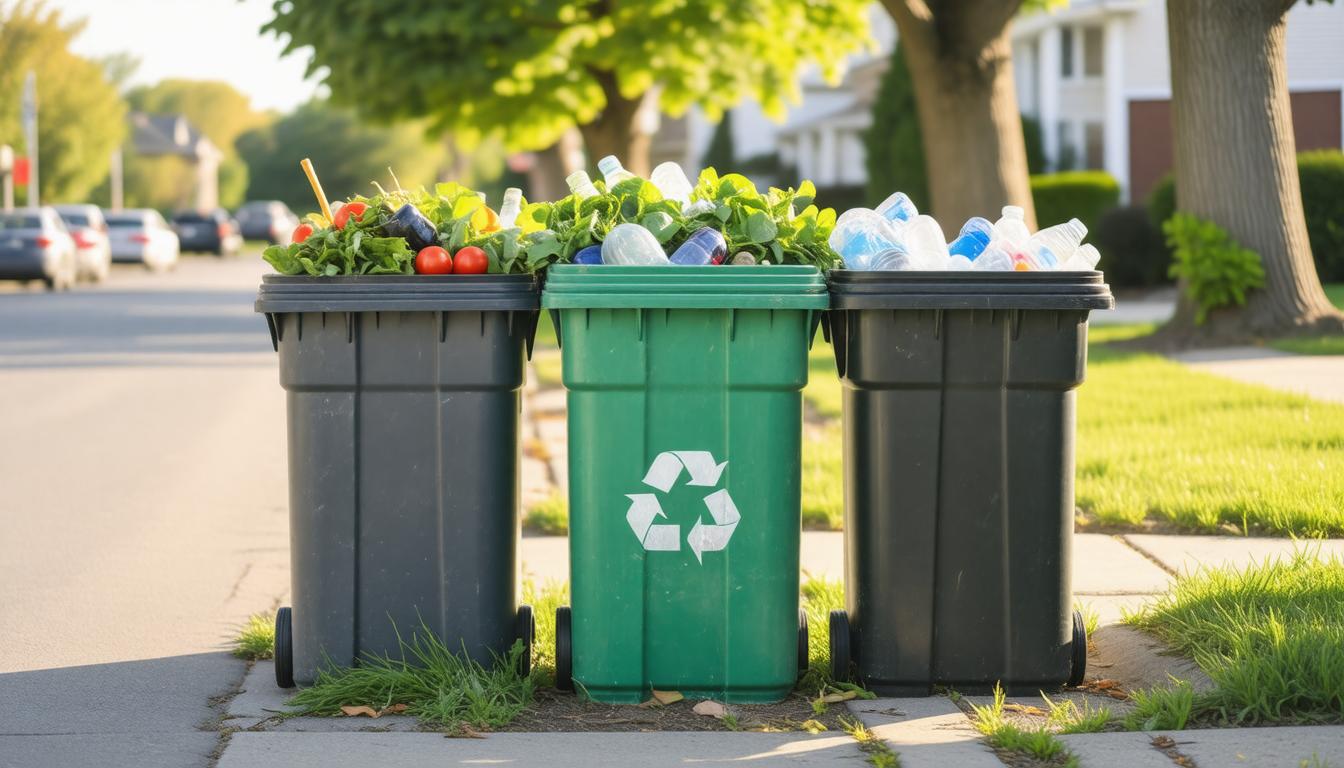
Taking out the trash might seem like a simple chore, but figuring out the best way to do it can be trickier than you think. With so many options for curbside trash services, choosing one that fits your schedule, budget, and helps protect the environment feels important. Luckily, local providers like Tiger Sanitation make managing your household waste easier by offering reliable pickup times and clear guidelines on what goes where—helping you keep your home clean while doing your part for the planet.
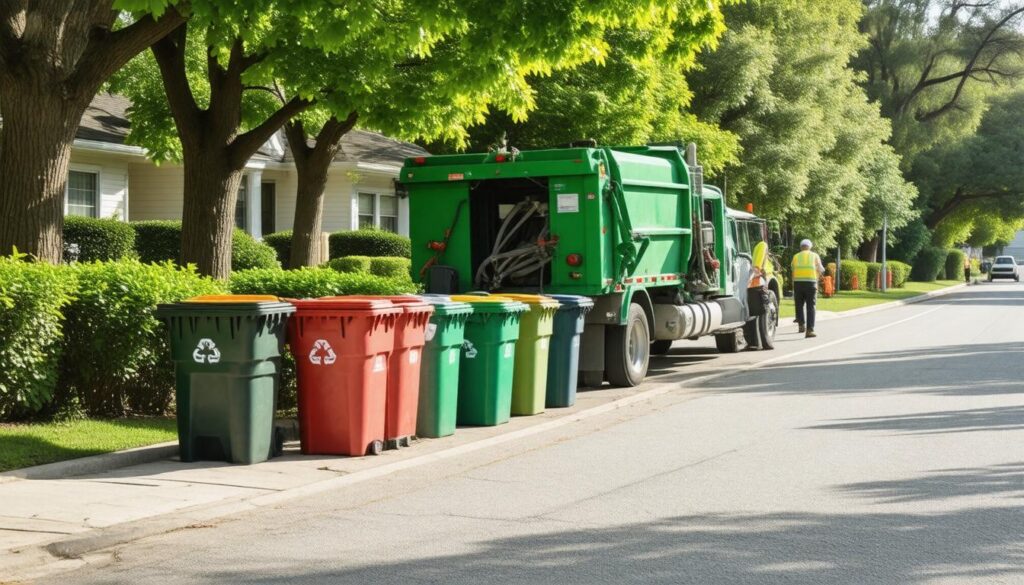
Curbside trash services provide convenient residential waste collection by picking up your trash bins placed at the curb on scheduled days. Providers like Tiger Sanitation offer reliable weekly or biweekly pickups, ensuring your household waste is properly collected, disposed of, or recycled with a focus on environmental responsibility.
Overview of Curbside Trash Services
At their core, curbside trash services bring waste management right to your doorstep, simplifying the process of keeping your home clean and clutter-free. Typically, these services run on a weekly schedule, providing reliable collection of your household garbage without you having to think twice about disposal logistics.
Beyond just regular trash, many providers include options for recycling—collecting materials like clean cardboard, plastics labeled 1 through 7 (without food residue), and certain metals like aluminum and steel. In places served by environmentally conscious companies such as Tiger Sanitation in South Central Texas, this means you’re not only getting rid of waste but also actively contributing to sustainability efforts in your community.
One detail often overlooked is how these programs manage organic waste—items like food scraps and yard clippings—which some services bundle with general pickups or offer separately to reduce the volume sent to landfills. This holistic approach trims your environmental impact, an important consideration amid growing concerns over waste pollution.
A striking reality is that about 20% of recyclables collected are contaminated — mixed with non-recyclable items such as glass (excluded by many programs due to processing difficulties), plastic bags, or food-soiled containers. Contamination hampers recycling efforts by increasing sorting costs and sometimes forcing otherwise recyclable loads into landfills. These facts illustrate why clear guidance on what can and cannot be set out is crucial for effective curbside pickup.
When selecting a curbside service, scrutinize their recycling policies and accepted materials lists. Providers like Tiger Sanitation clearly outline acceptable recyclables—including clean dry cardboard, newspapers, office paper, magazines, approved plastics, and metals—while emphasizing exclusion of glass and other contaminants. Such transparency helps users avoid mistakes that undermine recycling efficiency.
Collection methods also come into play. Many systems utilize single-stream recycling carts where all accepted recyclables go together. This convenience increases contamination risks because different materials may get mixed with unwanted items. Moreover, trucks compact recyclables, which can deepen contamination if improper materials enter the bin. Understanding your local service’s setup empowers you to prepare your waste more carefully.
Grasping these details equips you not only to use curbside trash services more effectively but also to contribute positively toward environmental responsibility at home—transforming routine waste collection into a meaningful act of community stewardship.
With the basics of what these services entail firmly in place, it becomes easier to focus on organizing your own waste disposal schedule efficiently and affordably as you prepare to set up regular pickups.
Scheduling Your Pickup
Scheduling your curbside trash pickup with a provider like Tiger Sanitation is more than just marking a date on the calendar. It’s about syncing your household’s rhythms with local service days and understanding the nuances that keep things running smoothly.
Typically, your neighborhood will have designated pickup days that align with efficient routing by the sanitation team. Confirming these days early—often on Tiger Sanitation’s website or by calling (210) 333-4287—prevents missed pickups and cluttered curbs.
Once you know your schedule, setting reminders is key. A simple calendar alert for the evening before collection day can save you from scrambling to pull your bins out in the morning rush.
This minor habit change eases stress and helps maintain the appearance and hygiene of your property. Plus, it respects the wider community by ensuring waste isn’t left out longer than necessary, which could attract pests or create unsightly piles.
For items that don’t quite fit into regular bins—think bulk yard waste or hazardous materials—it’s important to reach out ahead of time. Providers like Tiger Sanitation offer special services for these needs, but they require advance notice.
Making your request through their online portal or phone ensures proper handling and safe disposal while keeping everything compliant with local regulations.
Being proactive in scheduling doesn’t just benefit you; it benefits the entire community and the environment. When sanitation companies know exactly what will be picked up—regular trash, recyclables, bulky items—they can plan routes efficiently, reducing fuel use and emissions.
This attention to detail supports Tiger Sanitation’s commitment to environmental stewardship across South Central Texas.
To make your scheduling experience seamless:
- Regularly check your provider’s updates since schedules can shift due to holidays or weather.
- Use your provider’s customer service resources if you have questions about what materials are accepted or need guidance on special pickups.
- Keep an eye on seasonal campaigns—for example, bulk pickup drives or electronics recycling events—that might influence when and how you schedule.
Having secured a convenient and responsible pickup plan, it’s essential to understand exactly what types of materials fit into each category. This clarity will help ensure your waste is handled correctly and supports effective recycling and disposal systems.
Types of Waste Collected
Every curbside trash service functions by categorizing waste into distinct groups—general household waste, recyclables, and sometimes organic waste. General household waste covers your everyday disposables: food scraps, non-recyclable plastics, and packaging materials. These items go into the standard trash bin but minimizing their volume through mindful consumption or composting can reduce landfill contributions significantly.
Recyclable materials require more care. At Tiger Sanitation, for example, acceptable recyclables include clean, dry cardboard, newspapers, office papers, magazines, plus plastics numbered 1 through 7—provided they’re free from food or liquid residue. Aluminum, steel, and tin cans also fall under this category if thoroughly rinsed. The key is cleanliness: no leftover food or greasy stains because contamination can spoil entire batches.
That concern over contamination plays a huge role in local recycling effectiveness. Studies reveal that roughly 20% of items tossed into recycling bins end up contaminating loads because people throw in soiled containers or banned materials like glass or plastic bags.
To avoid this pitfall, always rinse your recyclables before tossing them out and never mix in unacceptable items such as glass—which Tiger Sanitation does not accept due to costly processing challenges—or electronics and construction debris. This ensures your recyclables maintain their value and aren’t diverted unnecessarily to landfills.
| Waste Type | Accepted | Not Accepted |
|---|---|---|
| General Household Waste | Yes | Hazardous chemicals |
| Recyclables | Yes (clean and sorted) | Contaminated items, plastic bags |
| Organic Waste | Yes (where service applies) | Yard waste without guidelines |
Organic waste may be handled depending on the locality. If included in your service plan, food scraps can be composted separately, greatly reducing waste sent to landfills and lowering methane emissions.
Understanding this separation is more than a guideline; it reflects larger environmental stewardship goals. Proper sorting helps companies like Tiger Sanitation provide efficient collection while protecting South Central Texas communities from unnecessary pollution and excessive landfill use.
Equipped with this knowledge about what belongs where, you are better prepared to sort your waste effectively. This foundation paves the way for understanding how to handle containers and bins properly to optimize collection services.
Containers and Bin Guidelines
Using the right bins isn’t just a suggestion—it’s essential for getting your trash and recyclables picked up correctly. Most curbside programs, including those like Tiger Sanitation serving South Central Texas, provide sturdy 95-gallon bins as the standard. These large carts are designed to hold all your household waste or recyclables comfortably without overflowing.
However, if your household generates less waste or you have limited space, many providers offer smaller bins too. Choosing the correct bin size for your needs can prevent unnecessary messes and keep your collection routine manageable.
Next, placement of your bins on pickup day is critical. Positioning your bin properly helps the sanitation workers efficiently collect your waste and reduces missed pickups.
A simple rule of thumb is to place the bin with its handle facing your home. This orientation allows trucks equipped with automated arms to grip and empty the containers smoothly without excessive handling. Make sure to roll your bin out by 7 AM on collection day—though local regulations may restrict how early you can put it out, so check neighborhood bylaws before setting it curbside overnight. Leaving bins out too long can attract pests or clutter sidewalks, which nobody wants.
Keeping your bins clean isn’t glamorous but is crucial for maintaining a fresh environment around your home. Every few months, give your trash and recycling bins a good scrub with soap and warm water. This simple routine reduces odors and discourages insects or rodents from making themselves at home inside your bin.
A clean bin also helps prevent cross-contamination between recyclables and trash, which is vital because contamination leads to more recyclables being sent to landfills rather than recycled properly.
Bear in mind that proper bin use ties directly into how well waste streams are managed downstream. For example, Tiger Sanitation advocates for no glass in recycling carts since broken glass contaminates other materials and damages sorting equipment—something automated systems handling these bins care about deeply.
By using approved container sizes, placing bins correctly, and maintaining cleanliness, you contribute to a more sustainable waste management process overall.
Beyond just the basics, consider these insider tips: If you often generate bulky or excess waste—say from home renovations or landscaping—you can call Tiger Sanitation at (210) 333-4287 for roll-off container rentals tailored specifically for larger projects. These containers come in sizes from 20 to 40 yards, providing ample space while keeping your regular bins free for everyday waste. This dual approach makes managing household and special waste much simpler without risking overflowing bins or missed pickups.
Mastering the art of proper trash container use opens the door to better environmental outcomes and smoother service schedules. As we shift focus to what goes inside our bins, understanding recycling practices and handling organic waste becomes equally important in crafting an eco-friendly household routine.
Recycling and Organic Waste
Proper recycling and organic waste disposal form the backbone of an eco-friendly household routine. They not only reduce landfill volume but actively contribute to raw material reuse and soil health. When you participate conscientiously in these programs, you take part in a cycle that benefits both your community and the environment.
One critical tip for recycling is to always rinse thoroughly any recyclable containers before placing them in your bin. Removing food residue prevents contamination—a major issue in single-stream recycling systems that Tiger Sanitation uses locally. Contamination can cause entire batches of recyclables to be discarded as trash, negating all the effort put into sorting at home. However, avoid crushing cans or bottles because many recycling centers prefer intact items; this helps machinery identify and process materials more efficiently and reduces processing errors.
Understanding why certain items are accepted or rejected can save you from unintentionally compromising your community’s recycling program. For instance, plastics labeled #1 through #7 (excluding those with food residue) fit perfectly into Tiger Sanitation’s guidelines for safe recycling here in South Central Texas. Items like glass are excluded due to contamination challenges and the absence of nearby processing plants — which increases transportation emissions. Knowing these specifics enhances the value and effectiveness of your contributions.
Beyond recyclables, organic waste disposal deserves equal attention because it’s a powerful tool against landfill overload.
Organic waste—things like vegetable peelings, coffee grounds, grass clippings, and garden prunings—can often be transformed into rich compost that nourishes soil naturally. If your service provider offers designated organic waste bins, such as those from Tiger Sanitation in San Antonio and surrounding communities, it’s a great opportunity to divert waste from landfills responsibly.
When using these bins, follow guidelines strictly: avoid placing non-compostables such as plastics or treated wood inside. Even small mistakes risk contaminating the whole compost batch, turning valuable natural materials into unusable waste. Good practice means checking local instructions regularly since accepted materials might change based on regional composting technology or seasonal factors.
“Composting is nature’s original recycling—turning yesterday’s scraps into tomorrow’s gardens.”
If organic waste collection isn’t available in your area through curbside services, consider starting a backyard compost pile or using small kitchen compost containers to keep things local and sustainable. This hands-on approach connects you directly to the lifecycle of your food and garden debris — a satisfying way to embrace environmental stewardship personally.
Remember that separating recyclables and organics carefully complements your regular trash pickup by reducing harmful emissions from landfill decomposition while conserving resources. Services like Tiger Sanitation make this easier by offering clear instructions and supporting infrastructure tailored to South Central Texas’ needs.
| Waste Type | What Goes In | What to Avoid |
|---|---|---|
| Recyclables | Clean cardboard, office paper, plastics #1-7 (clean), aluminum/steel cans | Glass, food-contaminated items |
| Organic Waste | Food scraps (non-greasy), garden trimmings | Plastics, diapers, treated wood |
Building strong habits around recycling and organic waste disposal helps you maximize the benefits of local sanitation services.
Next, we turn our attention to a broader range of offerings designed to meet diverse residential and commercial needs seamlessly.
Additional Services Offered
When you think about your typical trash day, it’s easy to focus only on everyday garbage or recycling. However, homes often accumulate items that don’t fit into standard bins—bulky furniture, old mattresses, or large electronics that simply can’t be tossed out with regular waste. That’s where bulky item pickup comes in.
These services require scheduling ahead of time because handling oversized objects involves extra labor and careful logistics. By arranging this with your service provider, you avoid unnecessary trips to the landfill and ensure these big items are disposed of responsibly instead of cluttering your yard or creating safety hazards.
Taking advantage of bulky item pickup means not just convenience but also environmental care. Many providers collaborate with recycling centers or charitable organizations to donate usable furniture, reducing landfill waste while helping others. It’s an excellent way to refresh your home and give unwanted items a second life without the hassle.
Moving from bulky wastes to more sensitive materials, hazardous waste disposal is another vital service often overlooked until you need it. Batteries, leftover paint, chemicals, and certain electronics contain substances harmful both for people and the environment if thrown away improperly.
Unlike conventional garbage collection, these materials require special handling, designated drop-off points, or dedicated collection days organized by sanitation providers or local governments.
It’s important to ask your service provider about these options well before you need them. Tiger Sanitation, for example, encourages residents to utilize such programs to keep our communities safe and clean. Proper disposal protects water sources, soil quality, and prevents toxic exposure in homes.
Plus, adhering to regulations avoids hefty fines or legal trouble that can arise from dumping hazardous materials irresponsibly.
“Disposing of hazardous waste the right way isn’t just about following rules; it’s about protecting future generations,” say experts in environmental stewardship.
These additional offerings round out a comprehensive waste management plan that adapts to real-life household challenges. Whether it’s clearing out an unwieldy item or safely managing hazardous substances, knowing which services are available—and how to access them—can transform how effectively you handle waste at home.
For those living in South Central Texas areas like San Antonio or New Braunfels, Tiger Sanitation provides clear guidance on these services through their website (choosetiger.com) or direct consultation via phone [(210) 333-4287]. They emphasize not only reliable collection but sustainability practices that reduce environmental impact while serving customers’ diverse needs efficiently.
Exploring these additional services can help you craft a waste routine that fits your family’s lifestyle better while contributing positively to your community’s health and cleanliness.
Utilizing these varied waste management services empowers households to maintain cleaner environments responsibly and sustainably. Partnering with trusted local providers like Tiger Sanitation ensures practical solutions tailored to your unique needs while advancing environmental stewardship.