

If you’ve ever tackled a home renovation or helped out on a construction site, you know that dealing with all the leftover debris can be a real headache. Renting a construction dumpster might sound straightforward, but picking the wrong size or not understanding the costs can slow down your project and add unexpected expenses. That’s why it pays to get the basics right before you order—knowing what options are available and how to match them to your needs can save you time, money, and frustration. This guide breaks down everything from dumpster sizes to rental tips so you can manage your project waste like a pro.
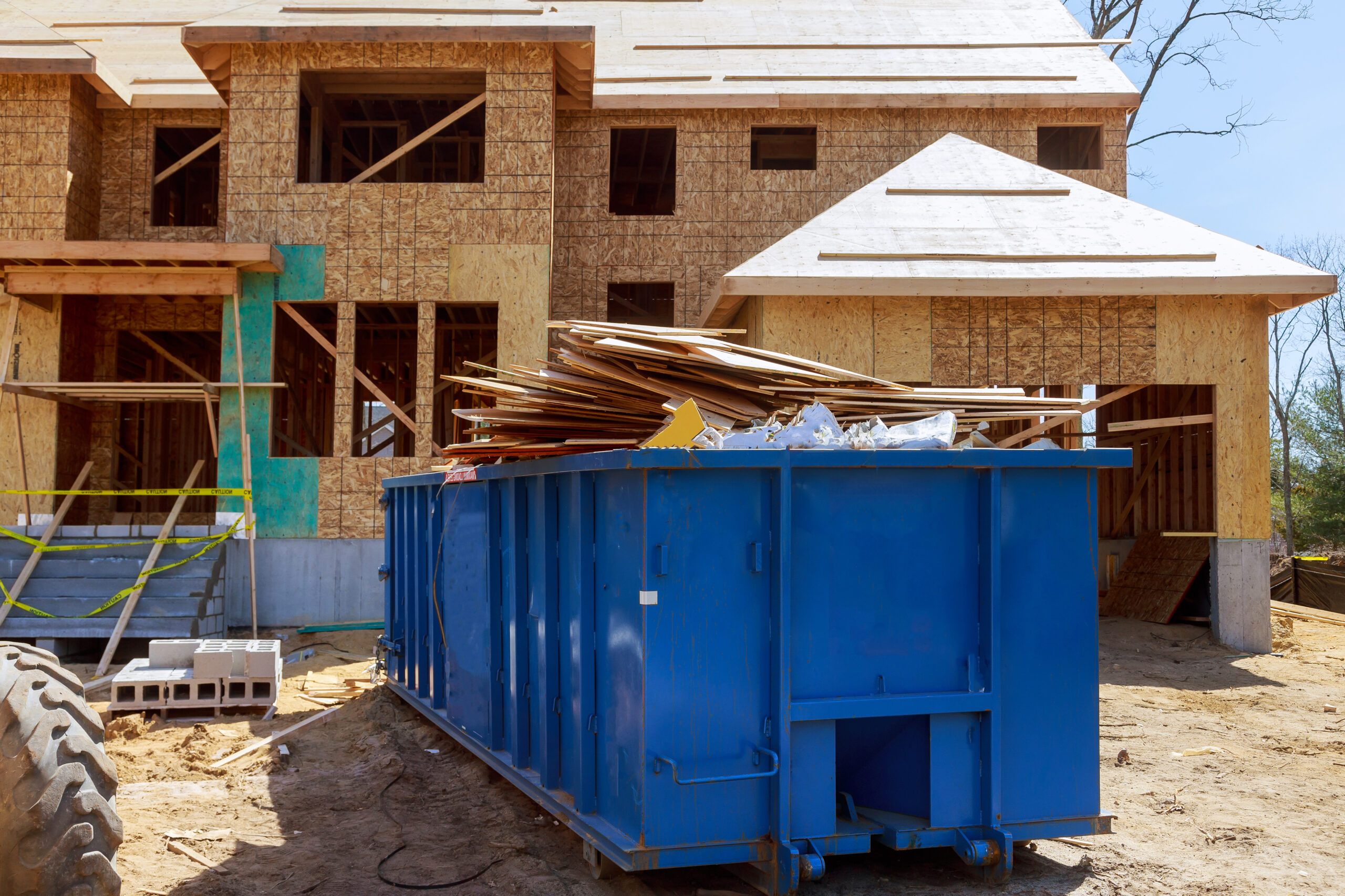
A construction dumpster is a large roll-off container designed to handle debris from construction, demolition, and renovation projects. At Tiger Sanitation, we offer 20, 30, and 40-yard dumpsters tailored for various project sizes, providing safe, convenient rental with pickup services across San Antonio and surrounding areas.
Dumpster Size Options
Understanding the different dumpster sizes available can help you avoid paying for more space than you need or making multiple trips because your container is too small. Construction dumpsters mainly come in four standard sizes—10, 20, 30, and 40 yards—and each has distinct uses depending on your project’s scale.
For example, the 10-yard dumpster fits smaller renovation tasks or light debris removal, offering about the same capacity as three pickup truck loads. This size is perfect when you’re doing a bathroom remodel or clearing out a small garage because it’s easy to place and maneuver in tighter spaces.
Moving up a size, the 20-yard dumpster tends to be the workhorse of the rental world. It’s excellent for medium-sized projects such as kitchen renovations, basement cleanouts, or landscaping debris. Statistically speaking, this size accounts for approximately 40% of all dumpster rentals, which reflects its versatility across many types of jobs.
Its capacity—roughly six pickup truck loads—strikes an ideal balance between handling a significant volume of waste without overwhelming your property or budget.
If you’re tackling something larger like major construction, demolition, or extensive home additions, the 30-yard dumpster offers around nine pickup truck loads worth of space. You’ll find this size especially useful when dealing with bulkier materials such as drywall, roofing shingles, and lumber scraps.
While it requires more room and may not fit on smaller driveways easily, its roomy capacity reduces the need to overfill or rent multiple containers.
For large-scale projects, such as multi-room renovations or whole house constructions, the 40-yard dumpster is designed to handle massive amounts of waste—up to twelve pickup truck loads.
If your site has enough space and you expect heavy materials like concrete chunks or large furniture pieces to be discarded, this size prevents you from constantly juggling partial loads or call backs for extra pickups.
| Dumpster Size | Approximate Volume | Best For | Pickup Truck Loads Equivalent |
|---|---|---|---|
| 10-Yard | 10 cubic yards | Small renovations | About 3 |
| 20-Yard | 20 cubic yards | Medium renovations & cleanouts | About 6 |
| 30-Yard | 30 cubic yards | Large construction/demolition | About 9 |
| 40-Yard | 40 cubic yards | Whole house & major projects | About 12 |
When selecting a size, always consider not just your current waste estimate but also a buffer for unexpected debris accumulation. It’s better to slightly oversize than risk running out of space mid-project—a situation that can disrupt workflow and increase costs with additional rentals.
Tiger Sanitation offers free consultations and no-obligation quotes at choosetiger.com to help you zero in on the dumpster that best suits your needs while optimizing budget and logistics.
Grasping these sizing details lays a solid foundation for managing your construction project’s waste efficiently. Next, navigating cost structures and rental options will further empower you to tailor services that fit both your project’s scope and financial plan seamlessly.
Cost and Rental Packages
Dumpster rental pricing isn’t a one-size-fits-all situation; it relies on a few crucial factors that can shift the final cost. Naturally, the size of the dumpster plays the biggest role since larger bins hold more waste, require bigger trucks for delivery and pickup, and generally take more effort to manage.
For example, a 20-yard container caters well to medium-sized home remodeling projects, while a 40-yard bin suits large-scale demolition or construction jobs.
But size isn’t the only element influencing price. Rental duration also matters significantly—many customers encounter surprise fees because they exceeded the allotted rental time. This is something to watch for closely: If your project timeline is flexible or may extend unexpectedly, it’s often wise to discuss extended rental packages upfront with your provider.
Some companies offer discounted rates for longer rentals, which helps keep costs manageable if you anticipate prolonged use.
Another important consideration is the type of debris you’ll be disposing of. Not all waste has equal handling requirements. Regular household junk versus construction debris or hazardous materials like asbestos or electronics require different disposal processes.
Hazardous waste—even when minimal—usually brings added fees due to special handling rules and environmental regulations. Clarifying allowed materials before ordering will prevent costly surprises later and ensure compliance with local laws.
| Dumpster Size | Average Cost per Week | Weight Limit (Tons) | Typical Uses |
|---|---|---|---|
| 10-Yard | $250 – $350 | 2 – 3 | Small cleanouts, yard waste |
| 20-Yard | $350 – $450 | 3 – 5 | Medium renovations, siding removal |
| 30-Yard | $450 – $550 | 5 – 7 | Large home projects, lot clearing |
| 40-Yard | $550 – $650 | 7 – 10 | Commercial sites, bulky debris |
It’s worth noting that some companies bundle services into rental packages that include delivery, pickup, dumping fees, and sometimes even flexible rental periods.
At Tiger Sanitation, for instance, our roll-off container rentals come with transparent pricing that removes guesswork. We handle everything—from placing the dumpster safely on your site to timely pickup—allowing you to focus on your project instead of logistics.
Requesting a free, no-obligation quote lets you explore different size options tailored to your schedule and budget without pressure.
To avoid hidden overage fees, clarify the weight limits of your dumpster rental upfront. Most containers have strict tonnage caps designed to protect equipment and comply with transportation regulations.
Exceeding these limits typically results in extra charges. A practical tip: estimate your debris volume honestly based on project scope and select a container slightly larger if you’re unsure.
It’s better to have some extra space than face excess fees or multiple hauls.
With clear insight into pricing structures and rental conditions, equipping yourself with this knowledge sets the stage for choosing the right container tailored to your project’s needs. Next, understanding what materials are accepted will further streamline your waste disposal process.
Types of Waste Accepted
When renting a dumpster for your construction project, knowing which materials are accepted is vital. This helps you avoid unexpected fees or even violations of local regulations. Most standard construction dumpsters handle construction debris such as wood scraps, drywall pieces, bricks, and nails—basically, the remnants you expect to collect from typical renovations or builds. These materials are straightforward to manage and recycle in many cases, keeping your job site clean and efficient.
Alongside general construction debris, many dumpsters also accept roofing materials—this includes shingles, tiles, and other debris you might find during a roof replacement or repair. These items can be bulky but are usually manageable within careful container size planning. If your project involves clearing out yard areas or landscaping tasks, most roll-off containers will handle yard waste like soil, branches, and leaves without issue. However, it’s essential to separate these natural materials from harder construction wastes to ensure smooth disposal.
Before you load up your dumpster, clarify with your provider which items are accepted. This saves time and money while ensuring compliance with waste management rules.
But it’s not just about what you can throw away—knowing what’s not accepted is equally crucial. Hazardous waste such as asbestos, batteries, chemicals, or medical waste should never go into a construction dumpster. These materials require specialized disposal methods because they pose serious health and environmental risks. Companies like Tiger Sanitation strictly prohibit these items in their roll-off containers due to legal restrictions and safety concerns.
Similarly, many rental services limit acceptance of large electronics like televisions or computers. Though some companies might take smaller devices, heavy electronic waste often needs special handling to recover valuable metals and prevent pollution.
One cautionary tale comes from a customer who unknowingly packed significant amounts of asbestos into their rental container. When the company discovered this prohibited material during pickup, they charged an additional $200 for safe hazardous waste removal — a costly lesson about reading rental agreements carefully.
Knowing what can and cannot be placed in your rental container helps keep your project on schedule while avoiding costly fines or delays. Staying informed about these details sets the stage for smoother cleanup operations moving forward.
Tips for Efficient Clean-Up
One of the most overlooked aspects of construction projects is the cleanup phase—but getting it right can save time, money, and headaches. A key principle is proper planning and organization before the first piece of debris even hits your dumpster. This mindset turns what often feels like a chaotic chore into a streamlined operation.
Start by sorting waste as soon as it’s generated. Instead of stuffing everything indiscriminately into the dumpster, separating materials like wood, metal, drywall, and concrete upfront allows for quicker disposal. Plus, many materials qualify for recycling or specialized disposal, which can reduce landfill fees and demonstrate environmental responsibility—a priority for Tiger Sanitation and its commitment to sustainability in South Central Texas.
Next, think spatially. Flattening bulky items—such as cardboard boxes or plywood sheets—and breaking down larger pieces of drywall or paneling compresses the volume of your waste dramatically. This simple step maximizes your dumpster’s capacity, letting you fit more material without the need to order extra containers. Beyond cost savings, it reduces unnecessary vehicle trips that add to carbon emissions and disrupt your workflow.
Loading heavy items first goes beyond mere aesthetics—it’s a strategic move that builds a firm foundation in your dumpster. Placing objects like concrete chunks or heavy lumber at the bottom evenly distributes weight and prevents lighter materials from shifting during transport. This attention to balance not only protects your load but also ensures safer handling when Tiger Sanitation comes for pickup.
Scheduling regular pick-ups is another cornerstone of efficient site management. Waiting until your dumpster overflows creates hazards: loose debris scattered on-site can cause accidents or damage equipment, slowing progress and inviting compliance issues. By coordinating routine removals—whether weekly or aligned with project milestones—you maintain a tidy environment that supports productivity and safety.
Embracing these tips reflects the practical experience Tiger Sanitation brings to every client in San Antonio, New Braunfels, and beyond. Their professional team understands how smart waste management contributes to smoother construction timelines and community wellbeing across Bexar and surrounding counties.
Having established these foundational cleanup strategies, it’s crucial to turn our focus to the protocols that ensure every aspect of your project stays safe and compliant throughout its duration.
Safety Guidelines for Use
Using construction dumpsters might seem straightforward, but misuse contributes to accidents and injuries more often than many realize. According to the Occupational Safety and Health Administration (OSHA), about 5% of on-site accidents are linked directly to improper dumpster use. This statistic reminds us why safety shouldn’t be an afterthought but a core part of your waste management plan from the very beginning.
First and foremost, personal protective equipment (PPE) isn’t optional—it’s a must. Gloves protect your hands from sharp objects, splinters, or rough materials when handling debris. Hard hats shield you from unexpected falling items or low-hanging obstacles common around construction zones. Steel-toed boots offer strong defense against heavy objects accidentally dropped on feet. Even on smaller projects, these simple safety measures dramatically reduce injury risk.
Distribution of materials inside the dumpster plays a quiet but critical role as well. Picture this: if one side is loaded heavily while the other remains empty, it destabilizes the container. This imbalance can cause tipping hazards during loading, unloading, or even when parked on uneven ground. Taking a moment to evenly distribute debris within the dumpster enhances stability and keeps your site safer and more efficient.
Another key element is respecting fill limits. Overfilling a dumpster beyond its designated line not only violates safety protocols but can also result in materials spilling onto walkways or streets—endangering workers and passersby alike. At Tiger Sanitation, we emphasize using the entire allocated space efficiently without exceeding these boundaries.
Remember, overfilled dumpsters may incur extra fees or delays due to restricted pick-up options, adding unnecessary cost and frustration to your project.
Lastly, maintaining clear communication with your team about these guidelines creates a culture of safety. It’s easy to overlook minor infractions like partially open lids or scattered debris near the dumpster that could trip someone up. Regular reminders and visual markers around the dumpster site help everyone stay alert and compliant with best practices.
“Safety is something that happens between your ears, not something you hold in your hands.” — Jeff Cooper
When you integrate these safety habits into every job and coordinate with trusted partners like Tiger Sanitation—who prioritize cleanliness, reliability, and professional handling—you build groundwork for projects that finish on time and incident-free. Every careful step adds up to protecting your crew and preserving smooth operations throughout South Central Texas communities.
Before renting a dumpster, discuss usage plans with your provider so they can recommend the right size and advise on placement for maximum safety and convenience. And always ensure your crew understands these safety measures—they are not just guidelines but essential practices that safeguard lives while keeping workflows steady and productive.
Understanding how these safety measures fit into effective waste management brings us closer to mastering the entire process; next, we’ll explore how selecting the right partner can make all the difference in streamlining your project’s success.
Choosing the Right Service Provider
Selecting the right dumpster rental company is more than just picking the lowest price; it’s about securing a partner who understands your project and respects the demands of your timeline and budget. When you start your search, getting multiple quotes is essential. This doesn’t just help identify competitive pricing but also gives you insight into what services are included. Some companies might offer delivery and pickup flexibility or additional services like recycling options, which could save time and money in the long run.
More than numbers, customer feedback offers invaluable insights. Reviews often reveal how dependable a company is, how they handle unexpected issues, and their responsiveness to client concerns. Take the time to read testimonials—not only those on company websites but third-party platforms as well—to get a balanced picture. Positive remarks about punctuality, clear communication, and respect for property are signs you’ve found a trustworthy operator.
Equally important is ensuring the company complies with local ordinances and has all necessary permits or licenses to operate safely within your area. This isn’t merely bureaucratic red tape; it guarantees that waste disposal complies with state environmental laws and reduces liability risks for you. Companies like Tiger Sanitation pride themselves on transparency regarding these details, fostering trust through clear communication and adherence to regulations.
One customer from San Antonio shared, “Choosing Tiger Sanitation was the best decision for our construction project. Their transparent pricing and timely service made all the difference.” When a provider delivers honesty along with quality service, your project runs smoother and your stress levels drop.
For a hassle-free experience tailored to South Central Texas needs, visit Choose Tiger. You can access detailed service descriptions, request free quotes without obligation, and contact an experienced team ready to guide you through sizing options, scheduling, and responsible waste disposal.
Choosing wisely means your dumpster rental not only fits your immediate requirements but also aligns with sustainable practices — a win for you and the environment alike.
By partnering with a reliable, licensed provider who values transparency and customer care, you ensure your construction cleanup proceeds efficiently and responsibly. Thoughtful selection today means less stress and greater success tomorrow.