

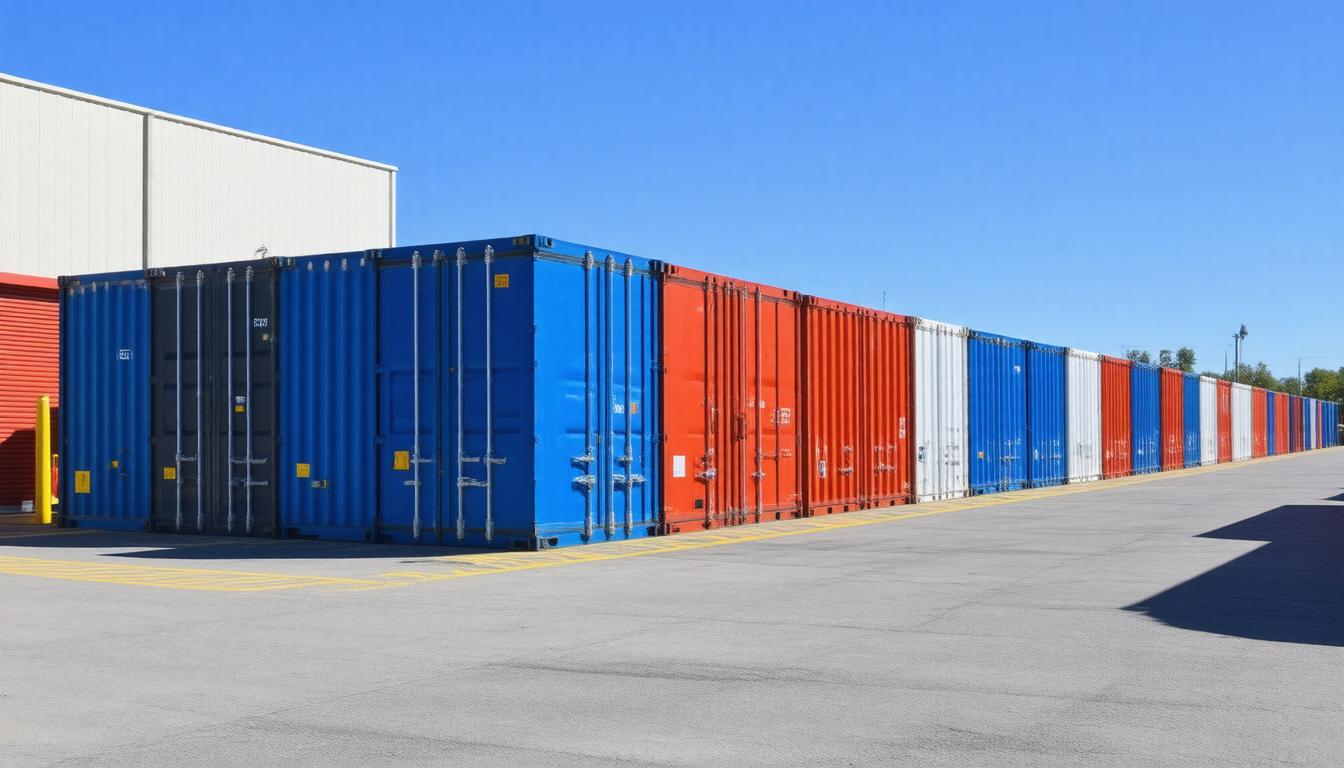
Looking for a storage container rental nearby can quickly get confusing—there are so many options out there, each with different prices, sizes, and rules. But finding the right local provider who offers flexible container sizes without emptying your wallet doesn’t have to be a headache. In this guide, we’ll take you through some of the best nearby companies, break down how their pricing works, and show you which container types fit your specific needs—all so you can make a smart choice that makes your storage problem one less thing to worry about.
You can rent secure, on-site portable storage containers from local providers like Tiger Sanitation, serving the South Central Texas area including San Antonio and surrounding counties. Our Storage Cubs offer flexible, cost-effective solutions for personal or project storage needs with convenient delivery and pickup options.
Best Storage Container Rental Companies Near Me
Navigating the choices for storage container rentals can feel overwhelming, especially when you want dependable service without breaking the bank. National brands like PODS and U-Haul often come to mind because of their wide recognition and established reputations.
PODS, for instance, stands out with its flexible month-to-month rental plans that suit people who need short-term options — perfect if you’re dealing with a transitional phase like moving or renovating. Their containers are designed to be durable and weather-resistant, providing peace of mind no matter the season.
On the other hand, U-Haul attracts many customers with competitive pricing. Their vast network means containers are often readily accessible, which can be a deciding factor if you need something quickly. However, some users report varying experiences with customer support, so it’s wise to weigh cost savings against service responsiveness when making your choice.
Then there’s Tiger Sanitation — a company rooted in the South Central Texas community and known for combining affordability with top-tier service. What truly sets Tiger apart isn’t just their strong portfolio of services including roll-off dumpster and portable storage rentals but their deep commitment to local customers. With over 20 years in business serving San Antonio and surrounding counties, they offer sturdy storage “Storage Cubs” that customers trust for secure onsite storage during home projects or business inventory management.
| Company | Strengths | Considerations |
|---|---|---|
| PODS | Flexible month-to-month rentals; durable containers | Slightly higher prices |
| U-Haul | Competitive pricing; wide availability | Customer service varies |
| Tiger Sanitation | Local expertise; strong community ties; reliable scheduling | Limited to South Central Texas |
Choosing a local provider like Tiger Sanitation often means more personalized service. Their team understands regional challenges like Texas weather or zoning regulations better than national chains might. Plus, because they’re locally owned, communication tends to be faster and more direct — an essential advantage when timing and reliability matter most in your projects.
It’s also worth noting that Tiger Sanitation integrates environmental responsibility into their operations. Many customers appreciate knowing that their waste disposal and storage needs are handled by a company attentive to sustainability while maintaining stringent service standards.
“Tiger Sanitation’s punctuality and well-maintained containers have made our renovations smoother — their local knowledge is invaluable.” — A satisfied customer from San Antonio
Evaluating these companies side-by-side reveals how important it is to balance factors like price, reliability, responsiveness, and local expertise. With this foundation, we can move forward to explore how different renting options stack up when affordability is front and center.
Comparing Affordable Renting Options
When you’re scouting for a storage container rental, it’s tempting to focus solely on the sticker price—the monthly base rent. But this number rarely tells the whole story. Hidden charges like delivery and pickup fees, insurance, and taxes can make a substantial difference to your final bill. A container that looks cheap at first glance might end up costing you more after all the add-ons. That’s why it pays to do a thorough comparison, factoring in every aspect of pricing.
Consider how each component affects your total expense. Delivery and pickup fees vary widely because they depend on distance, container size, and company policies. Some companies charge a flat rate, while others calculate costs based on mileage, so understanding their fee structure upfront is crucial. Insurance coverage also plays a big role—if it’s included or optional, it impacts not just your peace of mind but also your budget if damage or theft happens during your rental period.
Cost Breakdown of Storage Container Rentals:
| Company | Base Rent (Monthly) | Delivery Fee | Pickup Fee | Insurance |
|---|---|---|---|---|
| PODS | $149 | $74.99 | $74.99 | Optional |
| U-Haul | $79 | $45 | $45 | Optional |
| Tiger Sanitation | $120 | $60 | $60 | Included |
This breakdown reveals something interesting: while Tiger Sanitation’s base rent is somewhat higher than U-Haul’s, the inclusion of insurance and moderate delivery/pickup fees can mean fewer unexpected expenses down the road. It shifts some responsibility away from you and onto the company—an important consideration when renting containers for personal belongings or business inventory.
Is it better to go with lower upfront costs and risk additional fees later, or to choose a provider with higher base rates but more predictable total costs? Budget-conscious renters might initially lean toward the cheapest monthly rent available, but that choice can backfire if delivery charges are steep or insurance isn’t included. On the other hand, paying a bit more for an all-inclusive package—like Tiger Sanitation offers—simplifies budgeting and reduces surprises.
Before signing any contracts, ask providers detailed questions about what is included in your rental fee and what could come as extra charges later. Clarify insurance terms: Does it cover all kinds of damage? Are there deductibles? Also, verify if you have flexibility for delivery dates or need to coordinate pickups tightly to avoid extra daily fees.
Another factor ripe for evaluation is container size options. It’s tempting to rent the largest size thinking you’ll need ample space, but overspending on volume you don’t require inflates costs unnecessarily. Tiger Sanitation offers multiple sizes—from compact units perfect for small renovations up to larger containers suited for comprehensive cleanouts—allowing you to match your needs precisely without padding your bill.
Understanding these financial details shapes a smarter approach to finding storage solutions tailored not just by cost but by transparency and service reliability. Next, we’ll explore how varying container types serve different needs—whether for home projects, business demands, or vehicle storage—and how choosing the right fit can maximize value and convenience.
Types of Storage Containers: Household, Business, Vehicle
Storage containers come in many shapes and sizes, each designed to meet distinct requirements. When considering a rental, understanding these categories—household, business, and vehicle storage—can make all the difference in choosing a container that fits both your space and security needs without overpaying.
Household storage containers are perfect for everyday life scenarios—whether you’re decluttering your home, preparing for a move, or needing extra space for seasonal items like holiday decorations and winter gear. These containers typically range from 8 to 16 feet in length, offering ample space while still being manageable for residential settings. Their size strikes a balance that allows you to store furniture and boxes comfortably without sacrificing your driveway or yard space.
When it comes to business storage, the demands become larger and more robust. Companies often need storage containers to hold surplus inventory, tools, or equipment safely on-site or temporarily off-site during renovations or expansion projects. This is where the larger 20-foot or 40-foot containers come into play. These units are built with durability as a priority since commercial use means heavier loads and frequent access. They often come with enhanced locking mechanisms and weatherproof features that protect valuable assets from theft and environmental damage.
Vehicle storage containers serve a very specific role—they are designed to safeguard your prized automobiles, motorcycles, boats, or other large recreational vehicles. Unlike general-use containers, these units usually incorporate additional security reinforcements such as hardened steel locks and inside lighting to discourage tampering. The size is often customized to accommodate longer vehicles comfortably while providing enough room to maneuver around them if needed. Moreover, these containers shield vehicles from sun exposure, dust accumulation, and moisture buildup that can all degrade their condition over time.
Choosing between these types rests on your precise situation: Are you storing personal belongings seasonally? Running out of space at work? Or do you want peace of mind knowing your vehicle is secure? Each type offers clear advantages depending on what you prioritize most—size, security features, or ease of access.
“An informed choice about storage containers increases efficiency and reduces costs,” says industry experts at Tiger Sanitation. By matching container type with purpose, renters get better value and functionality.
Whether it’s an 8-foot unit for household use in San Antonio or a 40-foot container for business equipment in New Braunfels, Tiger Sanitation offers flexible options tailored throughout South Central Texas including Bexar and Medina counties. Exploring the specific attributes of these container types ensures that you don’t just rent a container—you rent the right one.
Before renting, assess the volume and nature of items you plan to store along with accessibility needs. Confirm that your chosen provider offers customization like delivery placement and rental duration flexibility—features that companies like Tiger Sanitation emphasize for customer convenience across their many service areas.
Understanding how different types of storage containers meet varied needs sets the stage for evaluating costs and availability. Next up is how to navigate pricing factors and find the best local deals without compromising on quality.
Key Considerations for Renting Storage Units
When renting a storage container, several practical factors should guide your decision. First and foremost is location—having your storage unit nearby can make frequent access far more convenient, whether you’re storing household goods or business inventory.
A container just down the street saves precious time and effort, allowing for smoother organization and retrieval as needed. Proximity also reduces transportation costs, which many overlook until they start making repeated trips.
Alongside location, security stands as a critical consideration. It’s not enough for a container to be accessible; it must also be safe. Before renting, verify that the facility offers robust security features: CCTV cameras monitoring the premises, gated entry points with controlled access, and ideally 24/7 surveillance personnel or automated alerts.
This peace of mind means your belongings remain protected against theft or vandalism, which is especially important if you’re storing valuable equipment or sensitive documents.
Another aspect often underestimated is the contract flexibility offered by the rental company. Look for options that allow month-to-month agreements rather than lengthy leases that tie you down unnecessarily.
Life can be unpredictable—a home renovation may finish faster than expected or a project might extend beyond initial plans—and flexible contracts give you freedom to adjust without penalty. Companies like Tiger Sanitation understand this need for adaptability and tailor their rental terms accordingly, emphasizing customer convenience.
Lastly, inspect the condition of the storage containers themselves before committing. Even a reasonably priced unit isn’t worthwhile if it leaks in the rain or is riddled with rust and damage that could compromise your stored items.
Look closely at seals around doors, check for dents or structural weakness, and ensure the container is clean and dry inside. A well-maintained container not only preserves your belongings better but signals a company’s commitment to quality service.
“A good storage container isn’t just about size or price—it’s about how well it fits into your daily life while keeping everything secure.”
When you weigh these considerations together—location, security, contract terms, and container condition—you set yourself up for a hassle-free rental experience that truly meets your needs. For instance, Tiger Sanitation provides locally operated services in South Central Texas with flexible rental sizes and excellent customer care focused on reliability and sustainability.
Their accessible online management system makes monitoring your rentals easy no matter where you are.
Understanding these essential factors simplifies choosing the perfect storage solution tailored to your lifestyle. These foundations pave the way to appreciate further advantages that extend beyond basic rental features in upcoming insights.
Additional Benefits of Storage Container Rentals
One major upside of renting a storage container is the unparalleled convenience it offers. Imagine having a secure unit delivered directly to your home or job site—this eliminates the hassle of transporting heavy or bulky items back and forth. Tiger Sanitation’s reputation for dependable on-site delivery and pickup services makes this process notably smooth. Their flexible scheduling means you decide when the container arrives and when it’s picked up, fitting neatly into your project timeline rather than forcing you to adapt around rigid hours.
Convenience naturally leads into accessibility. Having the container on your property means you control the access schedule; there’s no need to drive across town during limited facility hours. You can load or unload at your own pace, even outside of traditional business hours if needed. This level of flexibility can be a game-changer during hectic renovations or seasonal moves when timing isn’t always predictable.
Security is another critical factor that weighs heavily on anyone considering storage options.
Many modern storage containers come equipped with advanced security features designed to protect your assets. These include tamper-resistant locks that are far sturdier than typical padlocks, reinforced steel walls, and sometimes even built-in alarms.
For sensitive or valuable items, some providers offer climate-controlled units—perfect for shielding belongings from extreme temperatures and humidity which could otherwise cause damage like warping, mildew, or corrosion.
The peace of mind gained from these security measures often justifies choosing container rental over less secure alternatives like leaving things in an unsecured garage or attic. When you know your inventory is locked behind durable steel and protected against weather extremes, you’re free to focus on what really matters: completing your project efficiently.
While safety features are integral, protecting your financial investment through insurance should also be top of mind when renting storage containers.
Although insurance is usually optional, it’s highly recommended. Rates typically range from $10 to $25 monthly but provide coverage for damage or theft that might otherwise become a costly loss out-of-pocket. This small additional expense transforms into invaluable protection, especially as containers may hold tools, equipment, inventory, or personal belongings whose replacement would be expensive and time-consuming.
To put it in perspective, many renters face unexpected incidents like storm damage or attempted break-ins. Insurance mitigates the financial impact from such events by offering reimbursement within policy limits—often thousands of dollars worth of coverage for a modest premium.
Given how quickly unforeseen circumstances can arise on construction sites or during moves, integrating insurance with your rental agreement ensures you’re ready to handle surprises without stress or delay.
Beyond immediate benefits of convenience and protection, understanding rental terms helps tailor solutions to fit unique project lengths and demands. This makes it essential to explore various leasing arrangements next to find options that adapt as your needs evolve.
Seasonal and Long-Term Rental Options
When it comes to renting storage containers, one of the most important decisions is whether you need space for a short season or a longer stretch of time. Seasonal rentals are designed specifically for temporary bursts of storage demand, such as putting away holiday decorations after the festivities or storing winter sports equipment during warmer months. This type of rental offers flexibility: you can rent just for a few weeks or months without getting locked into lengthy contracts, which is perfect for fluctuating storage needs.
Many companies, including Tiger Sanitation in South Central Texas, understand that life’s rhythms change with the seasons. They provide easy-to-adjust rental agreements so your container size and rental period can flex as your storage requirements shift. Imagine a homeowner who needs to temporarily clear out their garage each summer for a big project—they benefit from a seasonal rental where they only pay for what they need when they need it. This approach frees up space at home without the hassle of permanent storage solutions.
On the other side of the spectrum are long-term rentals. These suit situations requiring consistent, reliable storage over many months or even years—think major home renovations, extended business inventory overflow, or ongoing construction projects that span several seasons. Long-term rentals often come with cost benefits; providers like Tiger Sanitation offer discounted rates as an incentive to customers committing to multi-month contracts. The financial advantage here isn’t just a small perk—it can be essential for budget-conscious projects.
One Tiger Sanitation customer shared, “I rented a container for six months during our house renovation. The cost was much lower than I anticipated, and the service was exceptional.” Stories like this highlight how long-term rentals not only save money but also lessen stress by providing dependable access to necessary storage.
Whether you decide on a seasonal or long-term rental, consider the flexibility of contract terms and the reliability of customer service. Look for providers who allow easy extensions or early returns without penalties—this kind of adaptability ensures you never pay for more than you actually need.
Also keep in mind that long-term use usually means more exposure to weather and potential wear on your stored items. Choosing a reputable company with well-maintained containers is critical here. Providers like Tiger Sanitation maintain high standards in their storage units to protect contents regardless of how long you rent.
Deciding on the right rental length ultimately depends on your unique situation, but knowing these options helps you make an informed choice that keeps both your belongings safe and your wallet happy.
By weighing seasonal flexibility against long-term savings and service reliability, you can find a local storage container rental solution tailored precisely to your needs.