

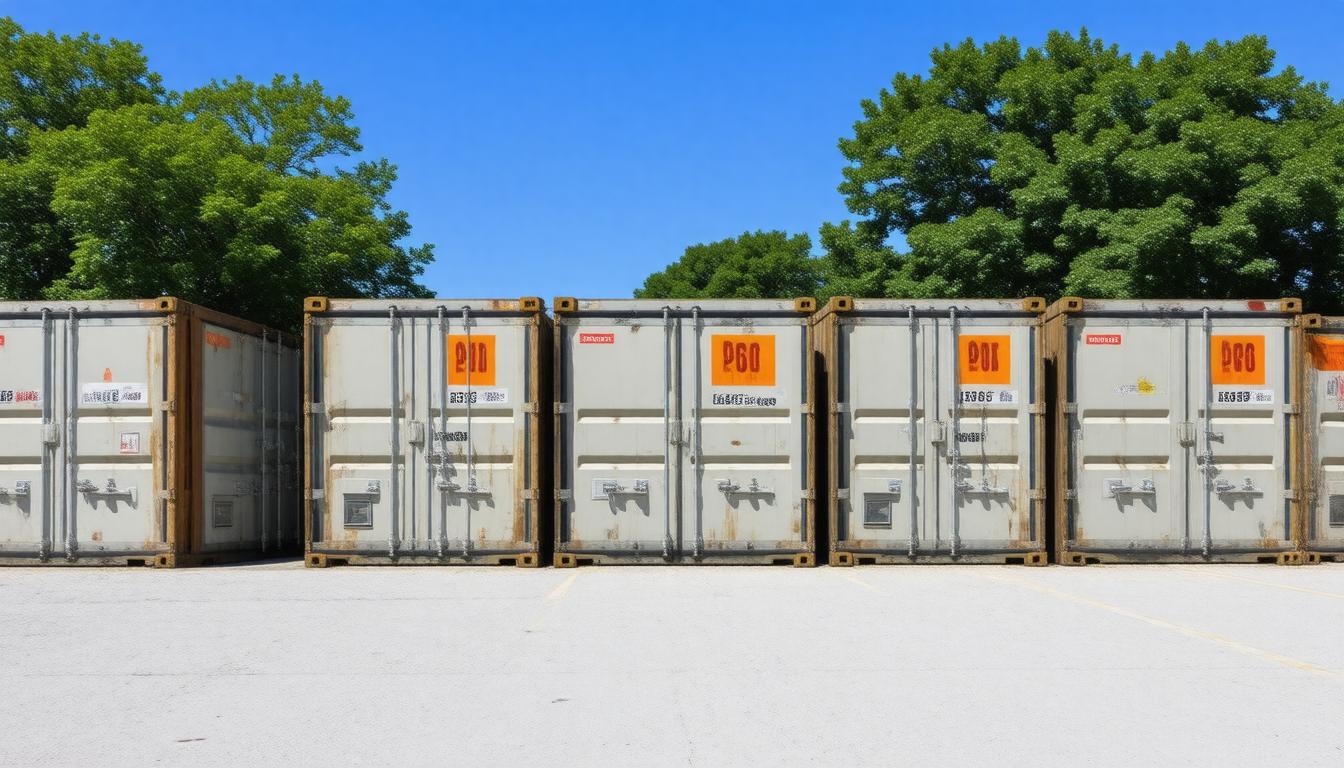
If you’ve ever tried squeezing your life into a few boxes during a move or struggled to find space for seasonal stuff at home, you’ve probably wished for an easy, flexible storage option. Portable storage containers offer just that—a simple, secure way to keep your belongings close without the hassle of traditional storage units. Whether you’re renovating, relocating, or just clearing clutter, these outdoor containers give you more control over when and how you pack. Let’s dive into what makes them such a handy solution for many people looking to simplify their storage needs.
Portable storage containers are durable, weather-resistant units that you can rent or buy to store belongings securely outdoors during moves, renovations, or long-term storage. They provide a flexible and convenient option by allowing you to load your items at your own pace before the container is delivered to a new location or kept onsite safely.
What Are Portable Storage Containers?
At their core, portable storage containers are self-contained spaces that can securely hold your items during a move, renovation, seasonal storage, or any situation requiring temporary extra space. Constructed primarily from robust materials like corten steel—a weather-resistant, rust-proof metal—they are designed to withstand harsh outdoor conditions without compromising the safety of what’s inside. The floors often use marine-grade plywood, adding an extra layer of durability for heavy loads.
These containers vary in size, usually falling into small (about 5 by 7 feet), medium (around 8 by 7 feet), and large (roughly 16 by 8 feet) categories.
To put this in perspective, a small container works well for a few boxes and small furniture pieces; the medium size suits the contents of a one-bedroom apartment comfortably; while the large container can accommodate everything from a family-sized household or even construction tools at a job site.
Knowing your specific storage needs helps you pick the right size so you’re not overwhelmed with empty space—or worse yet—short on room.
Besides materials and size, these containers come with built-in security features that set them apart from makeshift outdoor storage. Lockable steel doors with reinforced hinges prevent tampering, and weatherproof seals ensure moisture and dust don’t creep inside. Some premium models even include alarm systems or GPS tracking for peace of mind when leaving possessions unattended for extended periods.
One should also consider how easily these containers integrate with your lifestyle or project timeline. Their portability allows delivery directly to your home or worksite; you load them at your own pace, then either keep them onsite or have them transported to your new location.
This flexibility shines especially when timing is uncertain—say during a gap between moving out and moving in dates—or when extra storage is needed during home renovations.
Recognizing the versatility and protection portable storage containers offer naturally leads us to appreciate the practical advantages they bring across various needs and situations.
Benefits of Portable Storage Solutions
The first and most obvious benefit is convenience and flexibility. Unlike traditional storage units where you have to load and unload everything at once, portable containers come directly to your doorstep. This means you can pack at your own pace without rushing.
Imagine you’re renovating your home: rather than scrambling to find offsite storage or moving all belongings multiple times, a container parked right on your driveway offers easy, immediate access. Whether it’s furniture during a remodel or seasonal equipment you want close by but out of the way, these containers adapt to your schedule rather than the other way around.
This flexibility extends beyond just location and timing. You decide if you want the container stored at your home temporarily or moved to a secure facility elsewhere. This adaptability proves invaluable during moves, especially when there’s a gap between leaving one residence and settling into another.
It reduces stress because you’re not forced into tight timelines that traditional movers often require. Plus, by controlling how and when you load or unload, damage risks drop significantly since you’re handling your belongings carefully over time.
But convenience alone isn’t enough if your valuables aren’t protected — which brings us to another major advantage.
Enhanced security is a cornerstone of modern portable storage containers. These units are built with durable steel, weather-resistant coatings, and heavy-duty lock systems designed specifically to deter theft and prevent damage from rain, wind, or dust.
Their rugged construction sets them apart from flimsy outdoor storage options or uncovered yard sheds. In fact, a 2025 survey by Storage.com found that 76% of users felt far more confident about the safety of their possessions in these containers compared to traditional units.
What this means practically is peace of mind that your tools, furniture, or inventory won’t be exposed to malicious tampering or the elements while in storage—even when left unattended for days or weeks at a time.
This added layer of protection can be particularly crucial for businesses storing expensive equipment onsite or homeowners safeguarding heirlooms during renovations. The guardrail against theft combined with weatherproofing ensures fewer surprises down the line from mold damage, rust, or broken locks.
However, despite these compelling benefits, many hesitate due to concerns over cost—so smart budgeting must be part of the decision process.
Pricing varies across providers and locations but generally falls within a reasonable range considering the value offered. According to the Portable Storage Association in 2026, rental costs for a typical 16-foot container average between $75 and $150 per month depending on regional demand and service levels.
While some report higher overall moving expenses—especially for long-distance relocations—many find that saving 20-30% compared to hiring full-service movers balances out those initial fees.
To get the best deal without compromising security or convenience, it pays to compare quotes online from trusted companies like 1-800-PACK-RAT, which now offers up to 25% off new orders with promo code SAVE25. Their nationwide service includes fast delivery—often within 24-48 hours—plus customer support well beyond usual business hours, making it easier than ever to fit storage rentals into any schedule.
| Benefit | Description | User Impact |
|---|---|---|
| Convenience & Flexibility | Delivered onsite; pack/unpack at your pace | Less stress; fits irregular schedules |
| Enhanced Security | Steel build; weatherproof; advanced locks | Protects belongings from theft & elements |
| Cost Savings | Typically 20-30% cheaper than traditional movers | Budget-friendly; avoids surprise fees |
| Rapid Delivery | Delivery and pickup within 1-2 days | Quicker turnover; ideal for short-term needs |
Taken together, convenience, security, and cost efficiency make portable storage containers an attractive option for families managing moving logistics and businesses handling onsite inventory. These factors set the stage for understanding how pricing structures compare across different rental services.
Comparing Rental Costs
The rental prices for portable storage containers can vary widely, often surprising those new to the concept. It’s tempting to pick the cheapest option you see, but pricing depends heavily on container size, materials used, and the specific services included. Containers made from steel, for example, tend to cost more upfront, but their durability often justifies the premium—especially for longer rental periods or when extra security is needed.
Delivery and pick-up fees can add a significant amount to your overall bill. Some companies include these as flat fees; others base them on distance. Getting clear estimates upfront helps avoid surprises later. For example, moving across town might have a modest charge, but hauling containers over state lines can quickly escalate costs. Additionally, storage location fees may apply if your container is held at an off-site facility after delivery.
Seasonal demand also impacts price. During peak moving seasons like late spring or early summer, higher demand means increased prices and limited availability. Planning ahead can secure better rates and ensure you get the right container when needed. Renting during slower months often leads to discounts or promotional offers that reduce costs without compromising service quality.
A common misconception is that bigger containers always offer better value. Larger containers do let you store more items in one go, but they require more space on your property and may face restrictions from local ordinances or homeowners’ associations. Sometimes a slightly smaller unit rented for a longer duration proves more cost-effective and manageable.
| Container Size | Material | Average Monthly Cost | Best For |
|---|---|---|---|
| 8x8x16 ft | Steel | $200 | 3-Bedroom Home |
| 8x8x12 ft | Composite | $150 | Studio/1-Bedroom Apartment |
| 8x8x8 ft | Wood | $100 | Small Home Projects |
When evaluating providers, keep in mind that the most affordable option isn’t always the best. Companies with solid reputations like PODS, 1-800-PACK-RAT, and UNITS invest in container quality and customer service, resulting in fewer issues during your move or storage period. Requesting quotes from multiple vendors reveals pricing differences and gives insight into service reliability and flexibility.
If saving money is key, watch for discounts or special promotions. Some providers offer seasonal deals or stackable promo codes—many listed on Move.org—that can significantly lower your final cost. However, be sure to check the fine print: some discounts exclude certain container sizes or regions.
Understanding how rental costs break down puts you in a strong position to choose wisely. Next, we explore the essentials of selecting a rental service that balances affordability with dependable care for your belongings.
Choosing a Reliable Rental Service
Finding a reliable portable storage container rental begins with listening closely to what previous customers have experienced. Reviews and testimonials are more than just stars or scores—they paint a detailed picture of how a company handles real-world challenges: timely deliveries, condition of containers, and responsiveness when issues arise.
When you explore platforms like Trustpilot or the Better Business Bureau, you’ll uncover honest feedback that can save you from unexpected headaches. For example, multiple users praise 1-800-PACK-RAT not only for sturdy containers but also for their punctual arrivals and ease of scheduling, essential factors when moving on a tight timeline.
But reviews aren’t just about the product—they reveal the customer service heartbeat beneath a company’s operations. A firm that answers calls promptly, listens carefully to concerns, and follows through consistently is far more likely to provide a smooth rental experience.
Beware of glowing reviews that seem sparse or overly scripted; genuine customer voices include struggles alongside successes. This insight helps you anticipate what partnering with a service might actually feel like day-to-day.
Look for Transparent Pricing
Alongside reputation, clear pricing structures form the backbone of choosing the right container provider. Nothing is more frustrating than booking a service only to discover extra fees buried in the fine print after the fact.
Trusted companies pride themselves on transparency—offering upfront quotes that lay out every potential charge clearly. This openness lets you budget effectively without surprises, whether your move is short or cross-country.
Take U-Haul’s model: they present delivery and pickup fees plainly at booking so you know exactly what to expect. This honesty builds confidence and reduces stress—critical elements when managing any type of relocation. In contrast, providers lacking transparency often leave customers guessing about add-ons like transportation mileage fees or container wait times.
When comparing quotes, always request an itemized breakdown of costs—container rental duration, delivery, pickup, insurance options—and confirm cancellation policies beforehand. A reputable company welcomes such questions without hesitation because it wants customers fully informed and comfortable making their decision.
Beyond these essentials, understanding the range of features and mobility options available will help tailor your choice even further to meet your specific moving or storage challenges.
Features and Mobility Options
Portable storage containers have grown far beyond simple metal boxes; today, they come equipped with features designed for versatility and user convenience. When considering a rental, think about what you plan to store and how you want to access it. Many providers offer customizable interiors such as removable shelving or partition panels. These additions allow you to organize contents in a way that suits your needs—whether that’s separating fragile items from heavier ones or creating accessible sections for frequent use.
Such shelving units aren’t just a luxury—they transform the whole experience of using a container. Instead of digging through piles of boxes to find what you need, you can neatly categorize your belongings. If storing tools during a home renovation or seasonal décor, this kind of organization saves time and reduces the risk of damage.
Climate control options are another feature that can make a huge difference, especially if you’re storing sensitive materials like electronics, artwork, or antique furniture. Containers with built-in insulation or added heating and cooling systems help maintain stable temperatures and humidity levels, protecting your valuables from warping, moisture damage, and mold growth. Companies like PODS have made these climate-controlled units more accessible, providing peace of mind when storing delicate possessions.
Beyond internal features, mobility is just as crucial in ensuring your container meets your specific situation.
The ability to move your storage container easily from one location to another enhances flexibility during moving, renovations, or temporary storage needs. Most rental services deliver containers directly to your home or job site, allowing you to pack at your own pace without rushing against fixed locker times common in traditional storage facilities. This flexibility avoids unnecessary packing stress and lets you work around your schedule.
Then there’s the question of moving the container itself. Some companies provide transportation services where they pick up your loaded container and transport it securely to their facility or directly to your new location. This is particularly helpful for long-distance moves or when space constraints mean you can’t keep the container on-site for extended periods.
Practical design improvements in recent years—like containers that fit into tight residential driveways or secure locking mechanisms—reflect a growing industry emphasis on customer convenience and asset protection. Providers such as Red Rover and SMARTBOX have made strides in blending durability with accessibility, letting users securely store items on-site while maintaining easy entry when needed.
“With the right features and mobility options tailored for your needs, portable storage containers become more than just external storage—they become integral tools that streamline your move or project.”
By combining customizable layouts with seamless mobility, these containers adapt perfectly to transitional spaces. This sets the stage for organizing not just storage units but entire living areas more efficiently and thoughtfully.
Home and Property Organization
When clutter begins to accumulate, it can feel like your living space is shrinking—even if the square footage remains the same. Portable storage containers offer a practical way to reclaim that lost space by temporarily relocating less frequently used belongings outdoors. With dimensions typically around 8 feet wide, 7 feet high, and 16 feet long, these containers provide generous room to hold everything from bulky furniture to boxes of personal items.
The beauty lies in their versatility: by moving out seasonal decorations, sports equipment, or excess tools, you open up indoor areas for everyday life without sacrificing access to your stored items.
Moreover, many households report regaining up to 30% of their interior space simply by offloading certain categories of belongings into a secure container. A recent survey noted that 78% of users feel more organized and less stressed after incorporating portable storage in their home management routine.
To maximize this benefit, consider grouping your stored items by season or function before packing. For example, keep all holiday decorations together or gather gardening tools separately. This makes retrieval easy when needed—and there’s no need to rummage through boxes stacked like a jigsaw puzzle.
Another aspect often overlooked is how portable storage containers safeguard your possessions during home improvement projects. Painting rooms or renovating floors inevitably means clearing spaces and protecting delicate furnishings from dust or accidental damage. Having a dedicated outdoor container just steps from your door provides convenience paired with peace of mind.
Unlike crowded garages or basements where moisture and pests may threaten valuables, these containers are built with weather-resistant materials designed to protect contents year-round.
The rental period ranges widely but usually spans three to six months for home organization needs—ideal for longer renovation timelines or seasonal storage cycles. Most providers include lockable doors as a standard security feature, reassuring homeowners concerned about leaving belongings outside the house.
Optional GPS tracking adds an extra layer of protection for those wanting real-time location updates on their storage unit.
| Commonly Stored Items | Percentage Use (Approximate) |
|---|---|
| Seasonal Decorations | 30% |
| Furniture | 25% |
| Tools & Equipment | 20% |
| Sports Gear | 15% |
| Miscellaneous Household Items | 10% |
When planning your container rental, remember that overestimating slightly on size often saves frustration later. Crowding a container makes loading difficult and can increase the risk of item damage.
It’s far better to have some breathing room inside the unit—this also aids airflow, reducing condensation risks which might affect sensitive items.
Moreover, regular access is straightforward because containers can be placed directly on your driveway or property lawn (local regulations permitting), bringing stored goods within arm’s reach whenever necessary. This convenience far surpasses offsite storage alternatives that require driving long distances and scheduling complicated pickups.
As helpful as these solutions are for homeowners managing clutter and renovations, similar setups serve important roles for businesses as well—illustrating the broad adaptability and utility of portable storage containers across various professional environments.
Commercial Applications and Use Cases
One of the most common commercial uses for portable storage containers is in retail and inventory management. Businesses often face fluctuating stock levels, especially seasonal items that need to be rotated without sacrificing valuable floor space. Containers provide an ideal off-site or on-location solution to keep excess inventory safe and organized. For example, a retailer can maintain a ready supply of holiday merchandise without cluttering their sales area. This flexibility supports smoother product turnover and improves overall customer experience by keeping storefronts fresh and inviting.
Moving from retail to the rugged environment of construction sites, these containers transform how projects are managed daily. Construction companies rely on them not just for storing tools and equipment but also for safeguarding high-value materials like timber, electrical supplies, or specialized machinery. The portability means containers can move easily as work progresses through different phases or locations.
According to data collected in 2025 by the National Construction Association, 65% of firms now use portable storage solutions to cut down theft and reduce delays caused by missing gear. This statistic points directly to the operational efficiency gains containers deliver—saving money and time.
But practicality isn’t solely about what fits inside the container; it’s also about how well the container fits into existing workflows and regulatory frameworks. Many modern units include IoT-enabled locks and customizable shelving to help managers monitor access remotely while adapting storage layouts to specific job needs.
These technological advances mean storage is not only physical but integrated digitally, improving tracking and compliance with safety and environmental standards—an increasingly important factor as regulations tighten.
For businesses considering portable storage options, it’s crucial to evaluate containers not just by size or price but also by security features, ease of customization, and compliance certifications. Those who invest in smart containers benefit from real-time monitoring systems that alert to unauthorized access or climatic changes inside the unit, protecting sensitive inventory like electronics or perishable goods.
With such wide-ranging benefits—from enhancing retail stock management to securing vital construction equipment—portable storage containers prove themselves indispensable across industries.
For more tailored advice, detailed reviews, and expert insights on selecting the right container for your business needs, visit ChooseTiger. Our guides make choosing the perfect storage solution straightforward and efficient.
The evolution of portable storage containers continues to break new ground in security, adaptability, and technology integration—making them essential tools for businesses aiming to optimize operations. Their growing role across diverse commercial sectors speaks to their unmatched versatility and value.
How secure are portable storage containers for storing valuable items?
Portable storage containers are surprisingly secure for valuable items, often boasting sturdy steel construction and lockbox features that deter tampering; in fact, studies show they reduce theft risk by up to 70% compared to leaving items unattended outdoors. Their design balances affordability with robust protection, making them a smart choice for those who want peace of mind without breaking the bank.
How do portable storage containers compare to traditional storage units in terms of convenience and accessibility?
Portable storage containers trump traditional storage units in convenience and accessibility by coming right to your doorstep—no more schlepping heavy boxes across sprawling facilities! Studies show 65% of users prefer on-site containers for quick access and time savings. Plus, you can load at your own pace without racing the clock, making outdoor solutions not just affordable but smarter than those fixed-location units.
What are the typical costs associated with renting or buying a portable storage container?
Renting a portable storage container typically costs between $75 and $200 per month, depending on size and location, while buying one can range from $1,000 to $5,000 upfront; think of it as a temporary wardrobe or mini-warehouse with flexible pricing—renting suits short-term projects, but purchasing is cost-effective if you’re planning long-term use. Studies show 60% of renters opt for monthly plans under $150, balancing affordability with convenience.
What sizes and types of portable storage containers are available?
Portable storage containers come in a variety of sizes, typically ranging from compact 5-footers perfect for small tools and seasonal gear, up to roomy 40-foot giants that can house an entire household’s worth of belongings. Types include weather-resistant steel units, climate-controlled options for sensitive items, and even lightweight aluminum models designed for easy transport. According to industry stats, nearly 60% of renters opt for the 10-20 foot range, balancing space with affordability, making these versatile containers the go-to choice for both residential and commercial needs.
What factors should be considered when choosing a portable storage container for moving or long-term storage?
When choosing a portable storage container for moving or long-term storage, consider size (to avoid overpaying or running out of space), security features like lockability and weather resistance, rental cost versus purchase price, and delivery convenience. For instance, 75% of users prioritize container durability to protect belongings from moisture and pests, especially for long-term use. Also, check if the container offers flexibility in rental duration—this can save you up to 30% compared to rigid lease terms. In short, pick a container that’s the Goldilocks of storage: just right in space, security, and budget!