

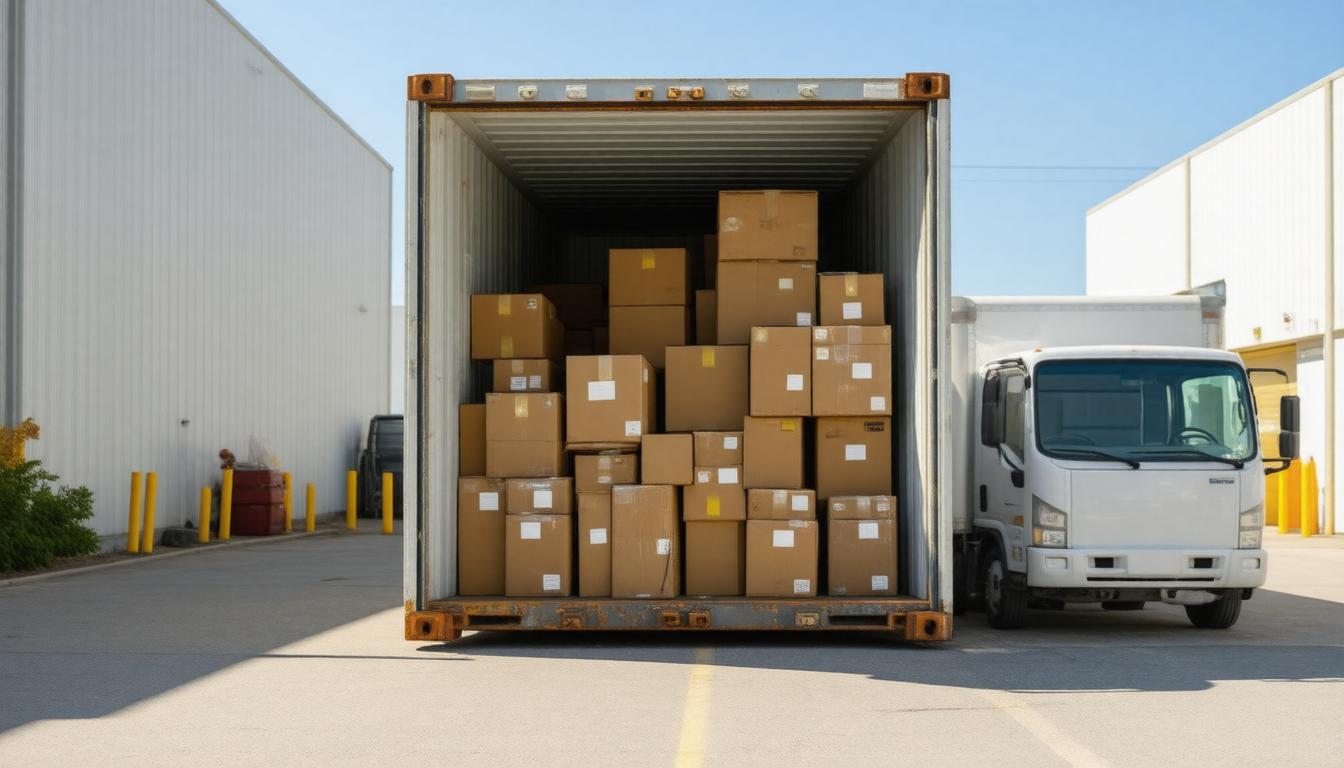
Moving or needing extra storage often feels like a big hassle—finding a place, arranging pickup times, and worrying about whether your stuff will stay safe and dry. Portable storage containers are changing the game by bringing flexible, secure storage right to your doorstep. Not only do they make moving easier, but they also serve many other practical uses that might surprise you. In this article, we’ll explore why these containers have become such a popular choice for moving and outdoor needs.
Portable storage containers are large, durable units designed for convenient on-site or temporary storage and moving needs. Companies like U-Haul offer these containers with flexible rental terms, secure construction, and multiple pickup/drop-off locations nationwide, making them ideal for both short-term storage and cross-country moves.
Advantages of Portable Storage Containers
Portable storage containers stand out primarily because of their unmatched convenience. Imagine having a secure container delivered right to your doorstep, allowing you to load your belongings at your own pace—no rushed schedules or strict drop-off times. This feature transforms the moving experience from stressful to manageable, especially when dealing with tight deadlines or unexpected delays.
You don’t have to make multiple trips to a storage facility or juggle complicated logistics; everything is brought directly to you.
Security also plays a vital role in the appeal of these containers. Constructed with durable steel and equipped with lockable doors, they offer robust protection against theft and damage. Compared to traditional open-bed trucks or unsecured storage sheds, the enhanced structural strength and sealed design provide peace of mind.
The ability to lock your possessions inside a weatherproof shell means your items stay safe from harsh weather conditions such as rain, snow, and even harmful UV rays that could degrade certain materials over time.
Portability is another distinct edge. Unlike fixed storage units that require traveling back and forth to retrieve or add belongings, portable containers provide ground-level access, making loading and unloading straightforward without needing ramps or lifts.
This ease of access is particularly helpful for heavy or bulky items like furniture, appliances, or landscaping equipment. Plus, these containers come in various sizes—from compact 8-foot models perfect for apartment moves to larger 20-foot units designed for whole-house moves or extended onsite storage needs.
If flexibility matters most to you, rental terms for portable storage containers are highly adaptable. You can rent them for just a few days during a quick move or hold onto them for several months while renovating your home or transitioning between living spaces.
Many providers include multiple pickup and drop-off options across regions—saving additional trips and headaches.
“I rented a portable container during my recent renovation,” shared one user on Reddit. “Being able to leave my tools and supplies safely stored onsite—and return at my own schedule to pack up—saved me huge chunks of time.”
It’s no surprise then that a recent market survey found over 70% of users reported higher satisfaction with portable storage containers compared to traditional moving methods, highlighting ease of use and rental flexibility as main reasons behind this preference.
Cost-wise, these containers often provide better value than self-storage units priced at $100–$200 per month. Portable container rates typically fall between $75 and $150 monthly depending on size and duration—a comparable price for the added convenience of delivery and accessibility.
For families juggling busy schedules or businesses needing short-term event storage, this combination of affordability and versatility is hard to beat.
Beyond personal moves, portable storage containers prove invaluable in outdoor uses too—from hosting events with equipment stored safely onsite to keeping seasonal gear organized through changing weather conditions—all thanks to their durable weather resistance and secure locking features.
This sets the stage for understanding how such solutions extend well beyond moving into enhancing everyday home and yard organization challenges.
Uses for Home and Yard Storage
Portable storage containers offer a flexible solution for managing space at home in ways that traditional storage simply can’t match. Consider seasonal storage: boxes of Christmas decorations, bulky lawn equipment, and off-season clothing often take up precious closet or garage space throughout the year. By transferring these items to a secure container placed conveniently in your driveway or yard, you effectively free up your living areas while keeping belongings safe from weather damage and pests.
With such containers designed to be weather-resistant and lockable, you’re not just stashing things away—you’re ensuring they stay in good condition until you need them again. This means no more struggling with crushed boxes or damp decorations after a rainy winter. It transforms what used to be a chore into an effortless part of your home management routine.
Seasonal needs aren’t the only reasons homeowners turn to portable storage—renovations are another major factor.
Renovating a home is notoriously chaotic. Furniture, artwork, and personal belongings are vulnerable to dust, paint splatters, and accidental damage when held inside an active construction zone. Many homeowners use portable storage containers as secure on-site staging areas, where they can keep their possessions protected yet accessible. This approach eliminates the worry of renting off-site units miles away while giving peace of mind that items remain close by.
Choosing a container size that fits your volume of belongings—and placing it strategically for easy access—can make all the difference during renovations. It allows you to work freely without clutter or risk to your stuff, streamlining the entire project from demolition through finishing touches.
Beyond renovations and seasonal needs, portable containers also become indispensable companions during significant life events like moving or downsizing—but their value doesn’t end there.
These storage solutions shine when decluttering your home for staging prior to sale. Removing excess furnishings creates an inviting space for potential buyers and can even boost property value. A container parked temporarily on your property offers a straightforward way to store these items safely outdoors without crowding your interior or relying on distant storage facilities.
Besides convenience, this leads to cost savings and less stress—an invaluable combination amid the complexities of selling a home. You keep control over your belongings but free your space enough to impress prospective buyers.
Complementing these points is how portable storage containers robustly support outdoor projects as well.
Landscaping or yard cleanups often lead to piles of tools, sod rolls, stones, mulch bags, and seasonal furniture that need somewhere dry and secure until the work completes. Leaving these items exposed invites damage from rain or theft from opportunists. Instead, placing them into a weatherproof storage container safeguards your investment and helps maintain order during what can be messy projects.
Since many containers come in sizes capable of holding thousands of pounds—some up to 5,000 pounds—you can even store heavy equipment securely. Choose a spot on flat ground like a driveway or patio area for easy loading and unloading; many rental services deliver directly right where you need them.
“Portable storage containers have transformed how I manage my home renovations—keeping everything safe but still within reach has made the process so much smoother,” shares one frequent renter from Michigan who uses trucks from U-Haul’s extensive network combined with portable units throughout moves and projects alike.
| Use Case | Benefits | Typical Container Size | Additional Tips |
|---|---|---|---|
| Seasonal Storage | Frees up indoor space; protects items | 8’x8’x16’ or 8’x8’x20’ | Label boxes clearly; cover delicate items |
| Home Renovations | Protects furniture; easy access | Flexible sizes depending on load | Place container near renovation site |
| Decluttering for Sale | Improves staging; keeps valuables safe | Medium-sized units (8’x8’x16’) | Make multiple trips to avoid overloading |
| Yard/Landscaping Tools | Keeps equipment dry & secure | Larger units (16-20 feet) | Choose secure lock options |
Whether you’re juggling seasonal tidiness, protecting valuables during home improvement projects, prepping for a move, or maintaining outdoor tools between tasks, portable storage containers provide versatile, secure, and convenient solutions tailored to fit your unique needs at home.
To find options that balance size, price, security features, and access flexibility tailored precisely for you, explore trusted providers like ChooseTiger.com, where dedicated assistance guides you through the array of choices available in 2025’s dynamic rental market.
Understanding how to organize and secure your belongings is only part of the picture—how you pack those items for transport plays an equally critical role in ensuring their safety and convenience.
Packing and Moving Applications
Portable storage containers are a game-changer for anyone facing the logistical puzzle of moving. The key is treating the container not just as a box, but as a miniature warehouse on wheels.
Starting with non-essential items—things like seasonal decorations or rarely used kitchenware—lets you clear space early and reduces last-minute stress. These items go in first, tucked away until you’re ready to unpack them later at your new place.
Once the slower movers are safely tucked in, attention shifts toward daily essentials that will need quicker access, making the packing sequence all the more important.
Labeling every box might sound obvious, but it’s often neglected to disastrous effect during moves. Clear markings on each box describing its contents and designated room save hours when it’s time to unload.
Instead of rummaging through every box looking for your coffee maker or bedding, you’ll know exactly where everything goes on arrival. This simple habit acts as a map for your unpacking process, maintaining calm amid the chaos of relocation.
Beyond labeling, thoughtful packing shapes how well your belongings survive transport—and how much you can fit inside.
When it comes to optimizing space within portable storage containers, size consistency is your friend. Using boxes of uniform dimensions helps stack them neatly without gaps that waste precious volume.
Weight distribution is equally critical; placing heavier items on the bottom creates a stable foundation while lighter ones above minimize crushing damage. This approach not only protects fragile goods but also prevents shifting inside the container—something that could otherwise cause dents or broken valuables during transit.
But even perfectly packed containers need one more step to guarantee safe delivery: securing what’s inside.
Most quality portable storage rentals come equipped with straps or tie-downs inside the container walls, essential tools in preventing cargo from sliding as the container moves.
Securing your load tightly using these straps adds extra protection against sudden stops, bumps, or vibrations on the road. This small step reinforces all your careful packing decisions by locking everything in place, giving peace of mind throughout long-distance shipments or even local moves.
For those considering such a move, remember that maintaining about 10–15 pounds per cubic foot when packing boxes balances maximizing capacity with avoiding overload. Overstuffed boxes can become unwieldy and risk injury during lifting, while under-packed ones leave wasted space.
| Packing Tip | Explanation |
|---|---|
| Start with non-essentials | Pack least-used items first to free up space gradually |
| Label boxes clearly | Saves time and effort when unpacking |
| Use uniform-sized boxes | Maximizes stacking efficiency inside the container |
| Place heavy items at bottom | Creates stability and protects fragile items |
| Secure contents with straps | Prevents shifting and damage during transport |
| Maintain proper weight | Avoid overloading to protect possessions and simplify handling |
With these practical strategies in hand, you transform what might appear chaotic into a well-ordered operation that safeguards your belongings across any distance. The next part explores crucial considerations to tailor your storage choice precisely to your unique moving needs.
Factors to Consider for Selection
What should you look for when choosing a portable storage container?
The key factors to consider are size, material, and security features.
Size and Dimensions
Portable storage containers come in an array of sizes, generally from about 7 feet to 16 feet in length. While it’s straightforward to think about the volume of items you need to store, the physical footprint of the container is just as important. You need to be certain there’s enough space at your chosen location—whether it’s your driveway, yard, or a rented lot—to safely accommodate the container without obstructing access.
For example, if you’re moving with a family and have furniture, boxes, and appliances, opting for a medium to large container often makes sense. But for smaller jobs like storing seasonal items or a few boxes during renovation, a compact container can save money and space. This balance between what you need and what you can fit is crucial for avoiding unnecessary costs or logistical headaches.
Once the ideal size has been determined, it’s equally vital to assess the construction quality of the container.
Material and Durability
The material from which a storage container is made tells you volumes about its durability and ability to protect your belongings. Steel containers are typically the gold standard—they resist impact damage, offer excellent weather protection, and are difficult to break into. If security and longevity matter most—say for valuable items or long-term outdoor storage—steel containers usually deliver peace of mind.
Aluminum alternatives grant benefits like lighter weight and corrosion resistance, but they may not stand up as robustly under harsh treatment or extreme weather over time. Some composite or plastic containers appear lightweight and weatherproof but trade off security in favor of convenience.
Weatherproofing is another aspect invisibly woven into high-quality containers. Look for watertight seals around doors and lids plus coatings engineered against rust and UV damage. These features aren’t just marketing fluff; they help prevent water ingress that could ruin stored materials—particularly critical if you plan on storing anything sensitive like electronics, fabrics, or wooden furniture.
“A container’s real value is measured by how well it safeguards what’s inside while enduring the unpredictable elements.”
Assessing both material sturdiness and weatherproofing ensures your rental doesn’t become a liability when faced with rainstorms or scorching sun.
Alongside size and material, leaning into security features completes the picture when selecting a portable storage container.
Rental Costs and Options
When you look into renting a portable storage container, you’ll quickly notice that costs vary not just by provider, but also by rental length, container size, and additional services.
While some companies, like U-Haul, offer base monthly rates around $60 to $80, others such as PODS and 1-800-PACK-RAT charge between $95 and $150 per month.
These headline figures might seem straightforward at first glance, yet the overall cost expands once you factor in delivery, pick-up fees, and potentially even insurance coverage.
Hidden charges can sneak up if you aren’t careful: for instance, many firms bill separately for transportation or require fees if you keep the container beyond your initial agreement.
This makes it vital to understand not just the price but how rental terms will influence your bottom line and overall experience.
Flexible Rental Terms
Most companies are aware renters want flexibility—after all, moving isn’t always predictable—and so they offer rental periods from monthly contracts to extended leases lasting a year or more.
This flexibility allows you to pace your move or storage needs without pressure. However, this freedom may come with strings attached—companies commonly impose additional fees if you hold onto containers longer than allowed or request multiple deliveries and pickups.
Some providers calculate fees on a daily basis but bill monthly, which can sometimes cause confusion about when costs actually start accruing.
Understanding these nuances means reviewing contract details thoroughly before signing.
Ask questions about what happens if your timeline shifts unexpectedly or if you need to switch container sizes mid-rental. Some providers charge restocking or relocation fees in such cases.
This kind of transparency saves headaches down the road and helps you budget realistically.
Beyond finances, delivery options also play a crucial role in your rental decision.
Delivery and Pickup Logistics
The convenience of delivery schedules varies significantly among providers.
For example, companies like PODS operate on a broad geographic scale with advance booking requirements especially in busy summer months; this may limit last-minute booking flexibility but provides nationwide availability.
On the other hand, localized operators such as Go Mini’s emphasize rapid delivery and personal customer agents who guide you through scheduling and coordinate every step.
Consider how this fits with your own moving timeline: Will you have enough time to load and unload at your pace?
Some services like U-Pack’s ReloCube enforce strict three-business-day windows on loading and unloading which could pressurize your schedule but might save on costs by minimizing storage duration.
If prompt drop-off or pickup is essential—say you’re juggling work commitments alongside moving—opt for providers with proven quick turnaround times even if their prices trend higher.
Let’s also review the tradeoffs linked to container sizes since they affect both price and usability.
Container Sizes and Pricing Correlation
Generally, container sizes range from small 8-foot units to larger 16-foot variants; some providers even exceed these dimensions.
Naturally, bigger containers rent for more due to material costs and transport complexity. But it’s more than just size — steel-constructed containers tend to be pricier than plywood models because of superior durability and security features.
When planning your move, estimate how many containers you’ll realistically need rather than over-ordering “just in case.” A few extra square feet here and there can add hundreds of dollars to your bill especially during long-distance moves where fuel surcharges apply per trip.
Selecting an appropriately sized container aligns your spending with actual needs, avoiding wasted space and unnecessary fees.
Table: Typical Size vs Estimated Monthly Cost
| Container Size | Approximate Monthly Cost Range | Best Use Case |
|---|---|---|
| 8′ | $50 – $90 | Small moves, single rooms |
| 12′ | $90 – $140 | Average household |
| 16′ | $130 – $200 | Larger homes or bulky items |
With pricing insights in place, the next aspect involves weighing convenience against cost — especially concerning insurance and security options.
Insurance and Security Considerations
Most portable storage rentals include basic locking mechanisms where customers retain keys for control, yet insurance coverage often comes separately or requires additional purchase.
Some renters overlook protecting their belongings until damage occurs from weather incidents or transit mishaps. Deciding upfront whether to invest in insurance coverage can prevent costly surprises later.
The reassuring part is many reputable providers have transparent policies about damage liability and offer guidance on securing containers safely on your property during rental periods.
Before committing financially, assess whether the value of stored goods justifies extra protection — factoring this into your overall budget ensures peace of mind as much as product safety.
Clearly, balancing price with flexible terms, timing logistics, size selection, and security forms the core strategy for choosing the best portable storage container rental tailored specifically to your needs.
Exploring how these elements come together leads naturally into understanding the construction quality of these containers and how the delivery process impacts your moving experience. This knowledge further sharpens the edge when selecting the right option that fits both your schedule and budget demands.
For more detailed comparisons and choice guidance, visit choosetiger.com — where smart renters find curated insights for making informed moving decisions confidently.
Construction and Delivery Process
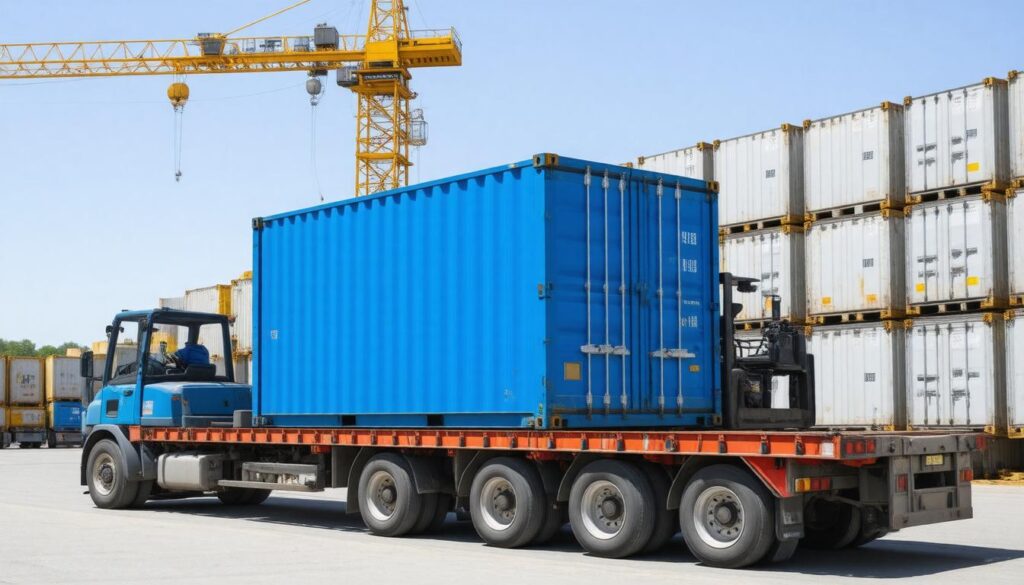 Portable storage containers don’t just appear; they’re carefully crafted to withstand the rigors of moving and outdoor storage. Typically, these units start as robust shells of 14 to 16 gauge steel or aluminum, chosen for a balance between strength and manageable weight.
This choice of metal ensures resistance against impacts during transport while keeping the container secure once at your location. Builders reinforce floors with marine-grade plywood or steel layered with anti-slip coatings—details that might escape casual notice but make a world of difference when stacking boxes or sliding heavy furniture inside.
Every joint is welded with precision, locking seams tight against moisture intrusion and potential tampering. Then come the weatherproofing measures: thick rubber seals embrace the edges of doors, combined with powder-coated paint finishes designed to resist rust and sun damage.
These elements form a container that can sit outside for months without losing integrity, protecting everything inside whether rain, snow, or searing sun beats down relentlessly.
Once finished in the factory, these containers enter the logistics phase—delivery—which is itself a finely tuned operation.
Delivery teams employ flatbed trucks outfitted with hydraulic lift gates or trailers equipped with forklifts, tools crafted for gently lowering these heavy units without damage. The key here is precision placement.
Commonly, drivers need to position containers on level ground such as concrete slabs, asphalt driveways, or compacted gravel that can support their weight—often ranging from 1,200 pounds for smaller models to nearly 5,000 pounds for large ones. Before delivery, providers usually confirm site readiness and clearance requirements to avoid last-minute complications or damage.
This kind of coordinated preparation pays off handsomely in user convenience. Many customers recount how the delivery team’s attention helped “place the container exactly where I wanted it,” eliminating the need for moving it afterward and reducing physical strain on their part.
Typical turnaround time sits at about one to three business days after order confirmation—meaning you don’t have to wait long to start packing.
| Stage | Key Aspects | Why It Matters |
|---|---|---|
| Construction | Use of high-grade steel/aluminum; weather sealing | Ensures durability & protection |
| Flooring | Marine-grade plywood or steel with anti-slip | Safe & sturdy for heavy loads |
| Security | Reinforced locking bars; tamper-resistant hinges | Keeps belongings secure |
| Delivery Prep | Site inspection; level ground requirement | Smooth unloading & placement |
| Delivery Method | Hydraulic lift flatbeds; forklift trailers | Precise & damage-free handling |
| Lead Time | 1-3 business days after ordering | Quick availability |
The smart engineering behind these containers speaks volumes about why brands like U-Haul maintain their reputation in this sector. Their designs focus not only on functionality but also ease of use during every phase—construction, transport, and placement.
If you want a seamless experience backed by quality construction and reliable delivery, explore ChooseTiger.com where you’ll find expert advice and personalized recommendations to help select the perfect container tailored just for your move or storage needs.
Understanding how portable storage containers are built and delivered reveals why they are trusted solutions for secure moving and outdoor storage. Choosing a reputable provider ensures your belongings stay safe throughout your journey.