
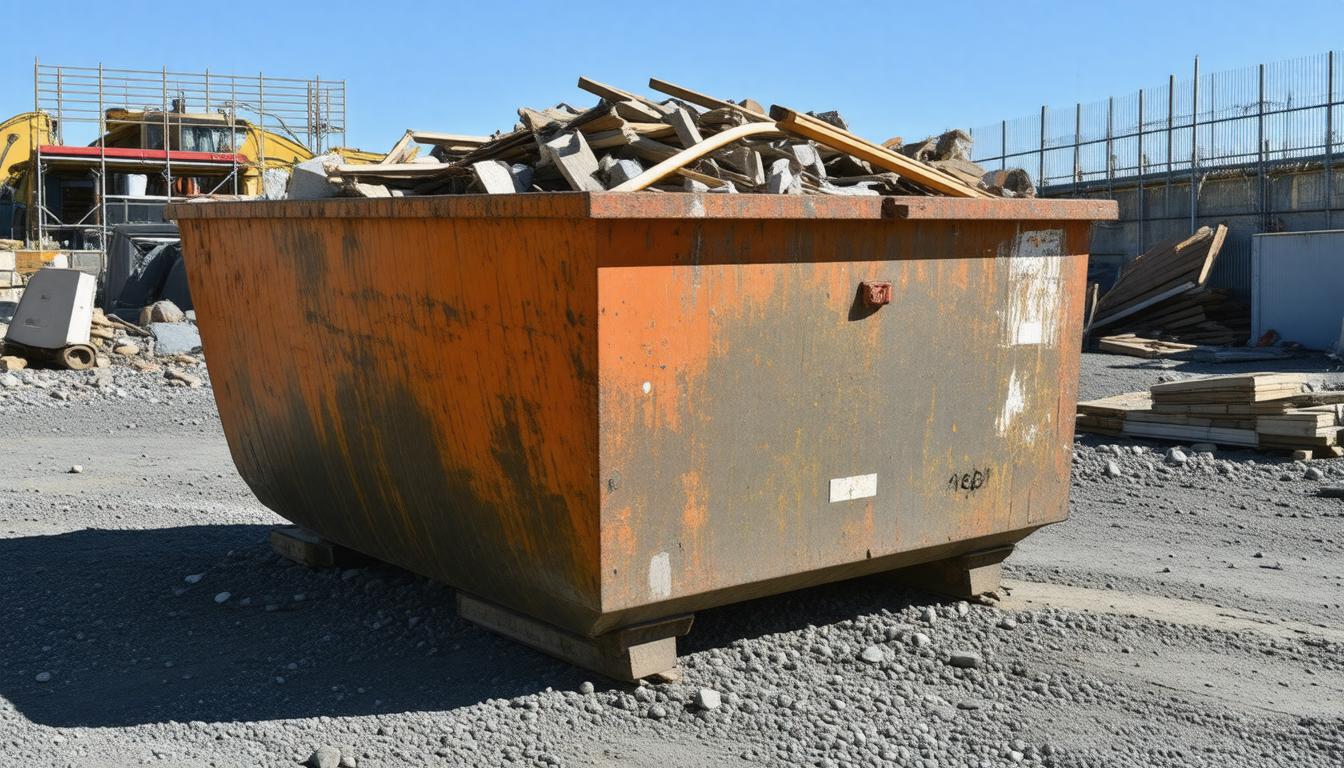
If you’ve ever tackled a home renovation or watched a construction crew at work, you know how quickly piles of debris can take over. Managing that mess isn’t just about keeping things tidy—it’s about safety, efficiency, and staying on budget. That’s where construction dumpsters come in. These sturdy containers handle all the heavy-duty waste that projects generate, making cleanup simpler and more organized. In this guide, we’ll break down everything you need to know about renting the right dumpster size, picking the best rental service, and keeping your site running smoothly from start to finish.
A construction dumpster is a large, durable container designed to hold heavy and bulky debris generated from construction or renovation projects. You can easily rent a construction dumpster from local waste management providers like Tiger Sanitation, which offers reliable roll-off container rentals tailored to your project’s size and duration.
Different Dumpster Sizes for Construction
When it comes to construction projects, the size of the dumpster you rent can make a significant difference in how smoothly your cleanup goes. Each dumpster size caters to specific volumes of waste, and picking one that matches your project scope helps avoid wasted space or overflow issues.
The smallest commonly available option is the 10-yard dumpster, which holds roughly 50 to 70 standard trash bags. This size works well for small remodels or garden cleanups where debris isn’t excessive. Imagine you’re simply clearing out an overgrown backyard or updating a bathroom—this compact container provides just enough room while being easy to place on residential properties.
Moving up, the 20-yard dumpster accommodates nearly twice that volume—up to about 110 trash bags. It’s designed for medium-sized renovation tasks, such as roof replacements or kitchen overhauls. Its size strikes a balance by giving you plenty of space without overwhelming your property with a massive container, ideal if your project generates more debris but still needs accessibility.
For larger undertakings, the 30-yard dumpster fits up to 170 trash bags and suits substantial home renovations or small-scale construction jobs. Contractors often favor this size because it handles more materials like drywall, lumber scraps, and roofing tiles without needing multiple hauls. Its versatility makes it a popular choice when estimating waste yield is tricky.
At the top end lies the 40-yard dumpster, capable of holding approximately 230 trash bags worth of debris. This behemoth tackles major construction projects or extensive remodels where tons of material accumulate daily. It’s particularly useful when working on commercial sites or large homes needing constant waste removal without interruption.
Keep in mind that choosing too large a dumpster can mean paying for unused capacity, while too small a container risks overflowing debris, delaying your project and causing safety hazards onsite. That’s why thoughtful assessment of your project’s expected waste volume is essential.
Tiger Sanitation understands these nuances well and offers dumpsters across this full range tailored to South Central Texas customers’ needs—from San Antonio neighborhoods to surrounding counties. Their team is ready to help you pick the size that fits your job perfectly, ensuring both cost-effectiveness and convenience.
A handy tip: Before renting, try roughly calculating your debris volume by visualizing or measuring what you’ll discard. If uncertain between sizes, opting for slightly larger usually avoids surprises but remember: efficient sorting and reducing unusable materials can lower needed space.
Having a clear idea of the right dumpster size puts you in a strong position. The next step involves understanding rental options and service features to maximize value and efficiency during your project.
How to Choose the Right Dumpster
Selecting the right dumpster size involves a mix of planning and foresight. Understanding exactly how much waste your project will generate is essential—not just the big chunks of debris, but also those smaller bits that often slip under the radar. If you underestimate, you may end up calling for extra pickups or switching containers mid-project, which can inflate your expenses and disrupt your workflow. Overestimating, on the other hand, means paying for unused space. The goal is balance: enough room to handle your waste comfortably without overspending.
Consider the duration of your project next. If you’re tackling a quick renovation over a few days, renting a smaller dumpster and scheduling more frequent pickups could be more cost-effective. Frequent clears keep your site tidy without tying you into a large rental. Alternatively, longer projects—like extensive construction or remodeling that stretches over weeks—often benefit from a larger container that stays on site until you’re done, preventing interruptions caused by swap-outs.
Knowing your timeline helps you plan rental periods to fit seamlessly with your work schedule.
It’s tempting to just choose a bigger dumpster “to be safe.” Many people believe that avoiding multiple service calls saves time and hassle. However, this approach has its own drawbacks. Larger dumpsters come with higher rental fees and sometimes additional disposal charges, especially if you don’t fill them up all the way.
Plus, finding space on your property or job site for an oversized container can pose challenges that affect accessibility and safety.
Some contractors swear by going big to eliminate uncertainty, while others advocate a leaner strategy focusing on efficiency and cost control. The truth lies in understanding your specific project needs—the type and amount of waste, access constraints on the site, neighborhood regulations, and budget all weigh heavily on the decision.
Remember that Tiger Sanitation offers professional guidance rooted in decades of local experience across South Central Texas; leveraging their knowledge can help you pick precisely what fits.
Factors to weigh when choosing include:
- Volume: How much waste do you realistically expect? Factor in both demolition debris and packaging materials.
- Waste Type: Some materials require special handling or separate containers.
- Access: Is there enough room for delivery and pickup trucks? Narrow driveways or street parking limitations matter.
- Budget: Align container size with your financial plan—avoid overspending on unnecessary capacity.
- Local Regulations: Ensure compliance with city ordinances about container placement and permits.
Having thought through these aspects carefully, you’ll be well prepared to select a dumpster size that balances convenience, compliance, and cost-effectiveness—allowing your project to progress smoothly without unexpected obstacles.
This foundation leads us naturally to exploring how rental processes work and what costs to anticipate when securing the right dumpster for your needs.
Rental Process and Costs
 Renting a construction dumpster may seem straightforward — call, get a bin, fill it, and wait for pickup. Yet, understanding the detailed steps involved can prevent surprises and keep your project on track. First, contacting a reputable service provider like Tiger Sanitation is key. Their established presence in South Central Texas means they understand local requirements and will guide you through options tailored to your specific needs, whether you’re in San Antonio or New Braunfels.
Once you reach out by phone at (210) 333-4287 or via their website, you’ll be asked about your project’s details: the type of debris, estimated volume, and site accessibility. This information helps them provide an accurate estimate that includes rental duration, weight limits, and any pickup or delivery considerations specific to your location. The goal is to avoid hidden fees that often catch people off guard after rental.
After agreeing on terms, scheduling delivery takes center stage. Tiger Sanitation’s team works with you to find the best day to drop off the dumpster where it won’t obstruct traffic but remains convenient for dumping waste. Having a clear, level spot ready ensures smooth placement and retrieval. Bear in mind that obstacles like low-hanging branches or narrow driveways could affect delivery feasibility — advance communication here saves time.
When your dumpster reaches capacity or your work finishes earlier than expected, arranging a prompt pickup is essential to keeping your site tidy and avoiding extra charges. Tiger Sanitation provides flexible scheduling for pickups during regular hours (Monday through Thursday, 8 AM to 5 PM), balancing customer convenience with logistical efficiency.
| Dumpster Size | Estimated Weekly Cost |
|---|---|
| 10-Yard | $250 – $350 |
| 20-Yard | $300 – $400 |
| 30-Yard | $400 – $500 |
| 40-Yard | $500 – $700 |
Prices naturally fluctuate depending on how long you keep the dumpster beyond initial agreements, local disposal fees, and added services such as recycling sorting or contamination management—expertise Tiger Sanitation delivers across Bexar and surrounding counties.
To optimize cost-efficiency, consider consolidating waste types when possible since contamination can lead to surcharges or rejected loads. For example, separating recyclables like clean cardboard or aluminum cans from mixed construction debris keeps your rental compliant with local guidelines while supporting environmental responsibility.
Transparency throughout this process matters. Family-owned Tiger Sanitation prides itself on clear communication—no hidden fees or last-minute surprises—and their customer-first approach means they’ll walk you through every stage until your dumpster is safely removed from your property.
By understanding these steps fully—contacting early, preparing your site thoughtfully, staying aware of pricing nuances—you ensure your dumpster rental experience is efficient and stress-free. If you’re in South Central Texas and need a reliable partner for waste management during construction or remodeling projects, don’t hesitate to call Tiger Sanitation at (210) 333-4287 for expert guidance tailored to your needs.
Clear rental procedures and mindful preparation set the stage for effective waste handling practices. Keeping these logistics in check naturally leads us into exploring responsible disposal techniques that maximize efficiency and protect the environment.
Best Practices for Waste Disposal
Proper waste disposal is more than just tossing debris into a dumpster; it’s about doing so responsibly to meet legal requirements and protect the environment. For construction projects in South Central Texas, this means being mindful of what goes into your container and how it’s managed. When you start sorting your waste, think of it as part of the job itself, not an afterthought.
One of the foundational practices is sorting and segregating waste before placing it into your dumpster. Separating recyclables like cardboard, clean wood scraps, metals, and plastics from general debris makes recycling efforts more effective and reduces landfill impact. It also prevents costly contamination fees since materials mixed with non-recyclable waste often cannot be processed further. Hazardous materials demand their own containers and protocols—these include things like certain paints, solvents, or asbestos-containing products that must never go into regular dumpsters due to safety risks and regulatory restrictions.
Following on from sorting, paying attention to the maximum fill line on your dumpster is crucial for both safety and compliance reasons. Overfilling a dumpster can cause hazards during transport, including debris falling out on public roads or injuries during unloading. Besides fines from regulatory bodies like Bexar County environmental authorities, overloading can disrupt collection schedules and increase service fees. Think of this as respecting the weight limits on a vehicle—a few extra inches piling up can create real trouble.
An especially vital aspect involves understanding hazardous waste disposal rules. Construction projects frequently encounter substances labeled hazardous by law—paints containing lead, solvents, adhesives, or materials suspected of containing asbestos are prime examples. Tiger Sanitation advises project managers to communicate clearly with their rental providers ahead of time about any such materials so proper arrangements can be made. Ignoring this step may lead to fines, cleanup liabilities, or additional charges related to specialized disposal processes. It also jeopardizes worker health and nearby residents’ safety.
To make this easier for contractors and homeowners alike within Tiger Sanitation’s service area—which includes San Antonio, New Braunfels, Kyle, and other counties—clear signage or labels on containers help avoid confusion among work crews. Identifying bins specific for cardboard or metals can encourage correct sorting habits on-site while saving money by maximizing recyclable returns.
| Best Practice | Why It Matters | Tiger Sanitation Tips |
|---|---|---|
| Sorting Waste | Prevent contamination & support recycling | Use separate bins for recyclable vs. general debris |
| Adhering to Max Fill Line | Ensures safe pickup & avoids fines | Don’t exceed container height markings |
| Handling Hazardous Materials | Compliance & safety | Notify provider and arrange special disposal procedures |
| Labeling Containers | Minimizes misplacement of waste types | Use visible signs or color-coded bins |
Maintaining these practices not only promotes safety and regulatory compliance but also streamlines daily operations on-site, reducing costly delays and enhancing efficiency during construction projects.
On-Site Placement Tips
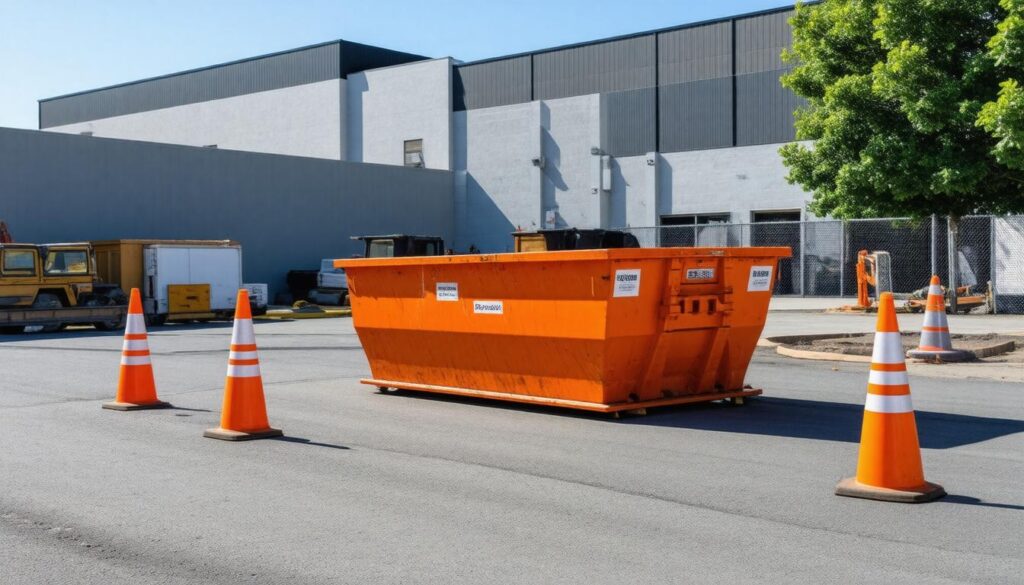 Selecting the right spot for your construction dumpster starts with finding a flat, stable surface—this simple detail prevents tipping hazards and helps evenly distribute the weight as debris accumulates.
For example, placing the dumpster on concrete is preferable because it can withstand heavy loads without shifting, whereas soft ground might cause the container to sink or lean, creating unsafe conditions. Stability isn’t just a matter of convenience; it safeguards workers and equipment while keeping operations running smoothly.
Once you’ve pinpointed a solid surface, accessibility becomes the next priority. The dumpster should be close enough to active work zones so that debris can be disposed of quickly and efficiently, but it must not obstruct critical pathways like building entrances, emergency exits, or main access roads.
Imagine trying to haul waste across your site only to face a cluttered path filled with heavy tools or workers—it slows everything down. Instead, positioning near but not in the way optimizes workflow and enhances safety simultaneously.
For residential projects, placing the dumpster in a driveway often serves as an ideal balance of stability and convenience. It provides direct access for contractors while minimizing disruptions to foot traffic or neighborhood parking.
On larger commercial sites, situating dumpsters adjacent to main access points works well because these areas typically have stronger surfaces and better clearance for trucks making pickups. The key is tailoring placement to your specific environment’s geography and activity patterns.
Consider also potential future needs: will deliveries or equipment move around this area? Keeping dumpsters out of machinery routes prevents costly delays or accidents.
Moreover, marking the dumpster location clearly with cones or barriers can alert workers and visitors to avoid accidental collisions — small precautions that pay big dividends in site safety.
Finally, don’t hesitate to communicate closely with your waste provider about placement options before delivery. Tiger Sanitation offers expert guidance based on years servicing South Central Texas sites, helping you select spots that meet local regulations and accommodate trucks efficiently.
Our experience shows that thoughtful placement reduces turnaround times dramatically while protecting investment in both materials and personnel.
“Safe and accessible dumpster placement isn’t just practical; it’s essential for maintaining order, safety, and efficiency during every phase of construction.”
With these placement strategies firmed up, you’re set to keep your site orderly and efficient. This foundation leads naturally into evaluating when handling waste yourself makes sense—and when professional services take the win.
DIY vs. Professional Dumpster Services
When it comes to choosing between doing the dumpster rental yourself or hiring professionals, it really boils down to balancing cost, convenience, and compliance. Renting a dumpster on your own might feel like the obvious way to save money—after all, cutting out the middleman usually means paying less.
However, this route demands careful planning and hands-on management. You’ll need to research local disposal regulations extensively because improper waste handling can lead to fines or delays. Plus, you have to coordinate pickup times and ensure the container isn’t overloaded or filled with prohibited materials. It’s a lot more than just renting and throwing stuff in.
On the other hand, professional dumpster services like Tiger Sanitation take much of that hassle away by managing everything from delivery to disposal within the guidelines of area regulations.
For larger-scale construction projects or when timing is tight, this can be invaluable. Professionals often have relationships with local disposal facilities and special handling capabilities for different waste streams—whether it’s concrete, wood, or recyclables—helping keep your project compliant and efficient.
The convenience factor cannot be overstated: letting experts handle waste management minimizes administrative overhead on your end.
For instance, if you’re juggling multiple contractors, deadlines, and inspections, delegating dumpster service can free up hours each week otherwise lost to logistics. Additionally, professional providers typically know how to avoid common pitfalls such as weight limit overages or contamination of recyclables, which can incur additional fees when using DIY approaches.
Alex P., a seasoned site manager in San Antonio, shares his experience:
“Hiring a professional service saved us hours of coordination and minimized downtime on our project.”
This reflects a wider industry trend where many construction firms prioritize reliability and streamlined operations over upfront cost-cutting.
Supporting this perspective, a recent National Waste & Recycling Association survey revealed that 67% of construction companies choose professional dumpster services for larger jobs because they trust these providers to deliver consistent results on schedule while ensuring legal compliance.
Given these insights, it’s clear that opting for professional dumpster services—especially in the South Central Texas region where Tiger Sanitation operates extensively—is often the wisest choice for medium to large projects. That said, smaller jobs with fewer regulations may still benefit from a carefully planned DIY approach if you are prepared to invest time in managing the details.
If you decide on professional services, look for providers serving your specific area who are familiar with local ordinances and offer flexible rental options. Companies like Tiger Sanitation provide dumpsters sized for various project scopes along with customer support during business hours (Monday–Thursday, 8 am – 5 pm), helping remove guesswork from the process.
With that in mind, the next step is understanding how to select the right dumpster size based on your project’s unique needs—an essential factor whether you go DIY or professional.
Whether you choose to manage rentals yourself or rely on professionals like Tiger Sanitation, making informed decisions about dumpster services ensures your project stays on schedule and compliant with local regulations. This balance between control and convenience paves the way for smoother construction experiences across South Central Texas.